For decades, high fashion stubbornly presented society with a highly strict, conservative, and unchanging model of aesthetic standards. The runway was an exclusive, closed space where the female body was considered merely a static instrument for demonstrating a designer’s vision.
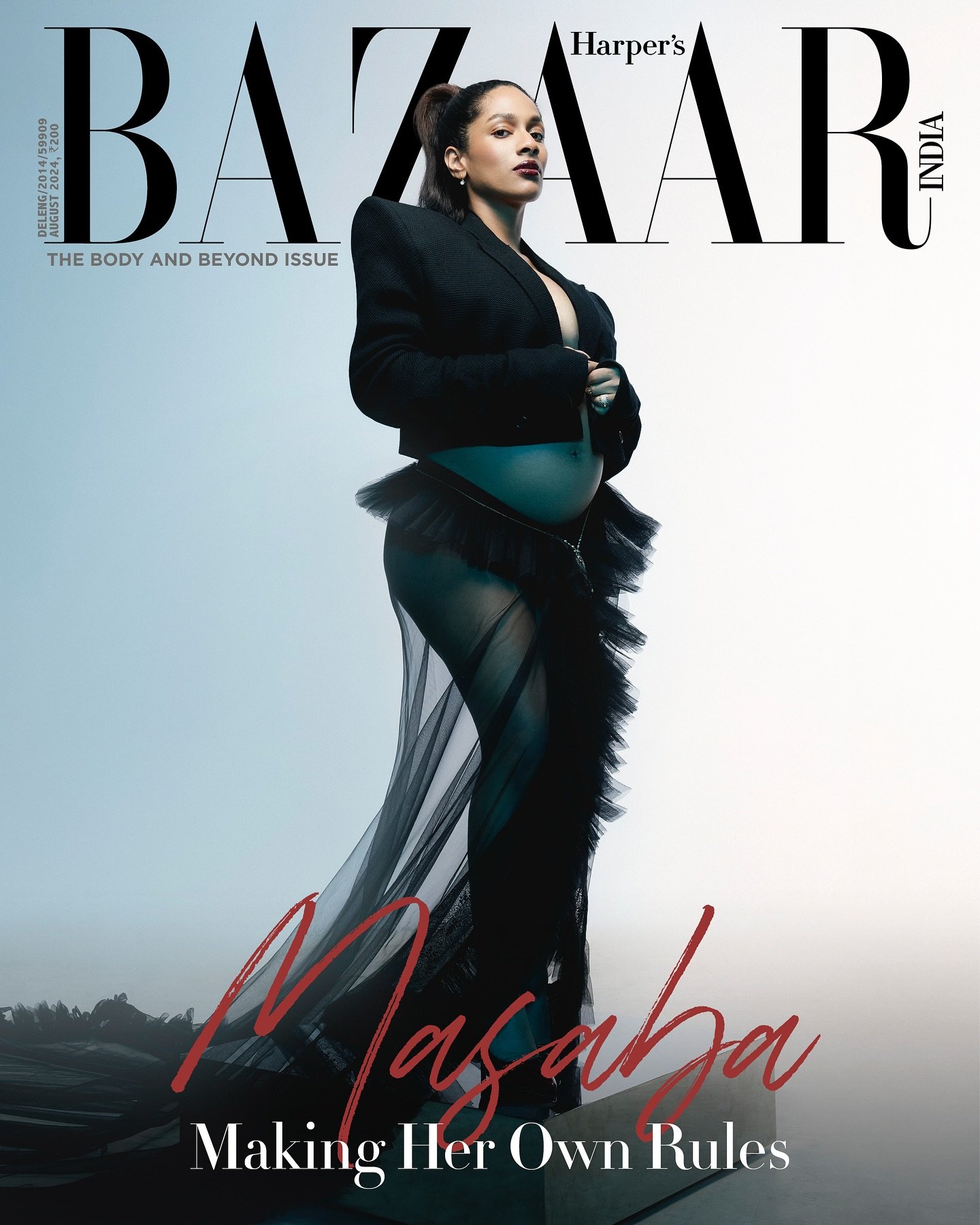
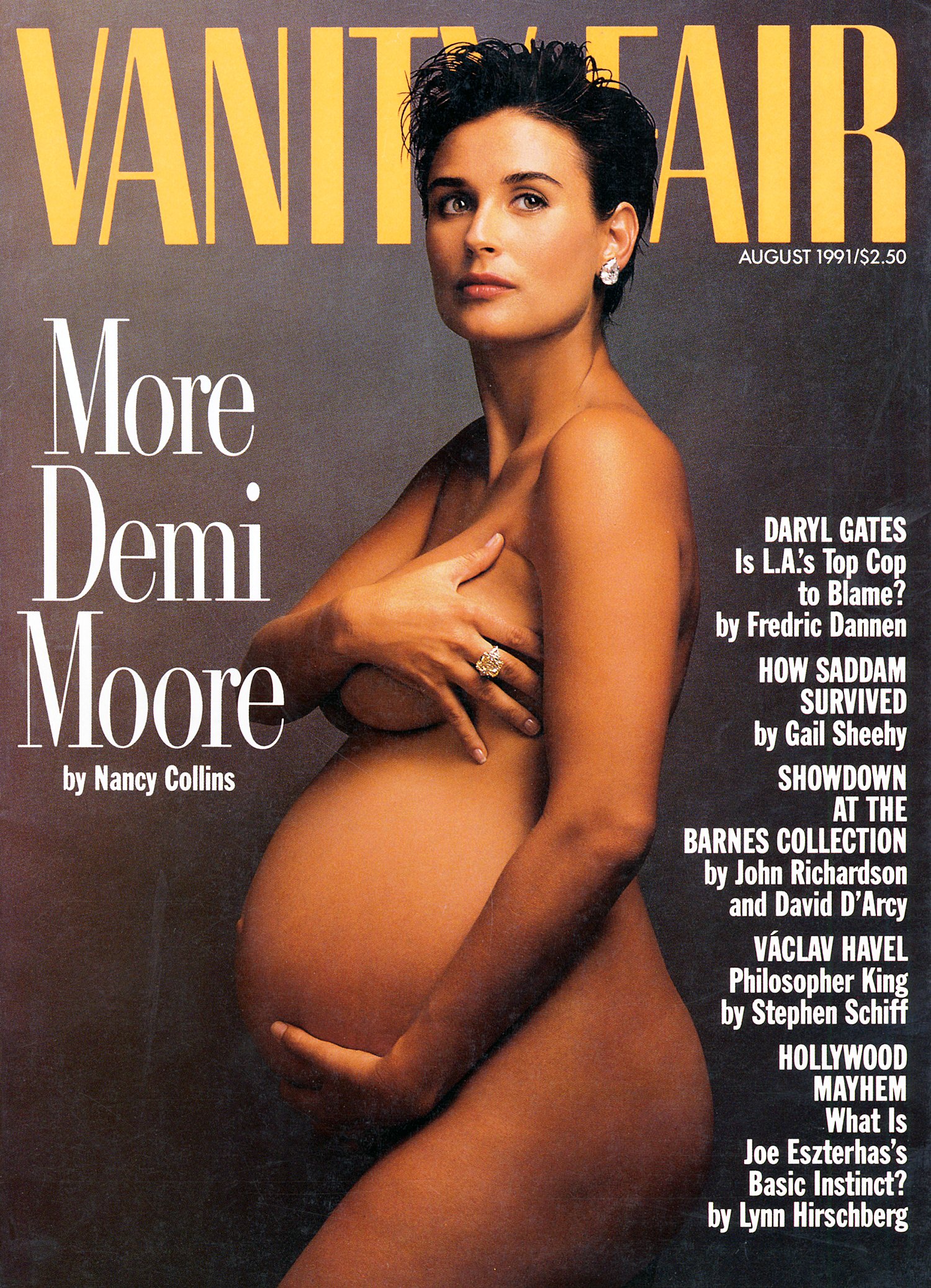
Against the backdrop of global social shifts, fashion houses and renowned publications actively began adapting to the real demands of society and searching for new paradigms. One of the most significant and groundbreaking developments in this process is the appearance of pregnant models on the runway and their public recognition as full-fledged, professional participants. Pregnancy, which was previously unfairly perceived as a career pause or a physical condition to be hidden, now convincingly provides an open demonstration of a woman’s strength, confidence, and social agency.
The issue of female representation in the fashion industry has always been a subject of intense debate. The rigid standards established in the second half of the 20th century categorically demanded absolute control over models’ physical attributes. Influential industry leaders viewed physical changes, especially pregnancy, as a professional incompatibility and an obstacle. Such a cold-hearted approach forced women to make a radical, painful choice between their professional careers and motherhood. In the early 21st century, the rise of human rights movements and a rapid increase in public awareness made sweeping reforms in the fashion sector inevitable. Designers finally realized that to communicate adequately with consumers, showcasing women with real, diverse life experiences on the runway was an urgent necessity.
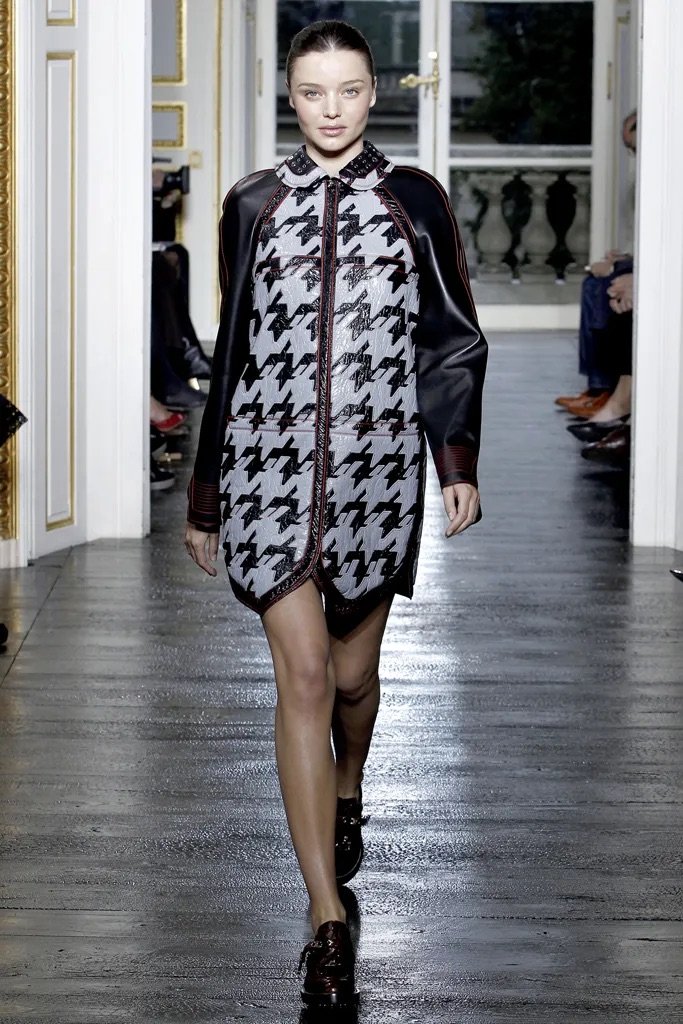
A crucial precedent for this social and aesthetic shift in the fashion world was clearly set by the events at Paris Fashion Week in the fall of 2010. During the presentation of the French fashion house Balenciaga’s Spring 2011 collection, creative director Nicolas Ghesquière unexpectedly sent a five-months-pregnant Australian model, Miranda Kerr, down the runway. This event caused widespread resonance in international media and laid a solid foundation for the integration of pregnant women into high fashion.
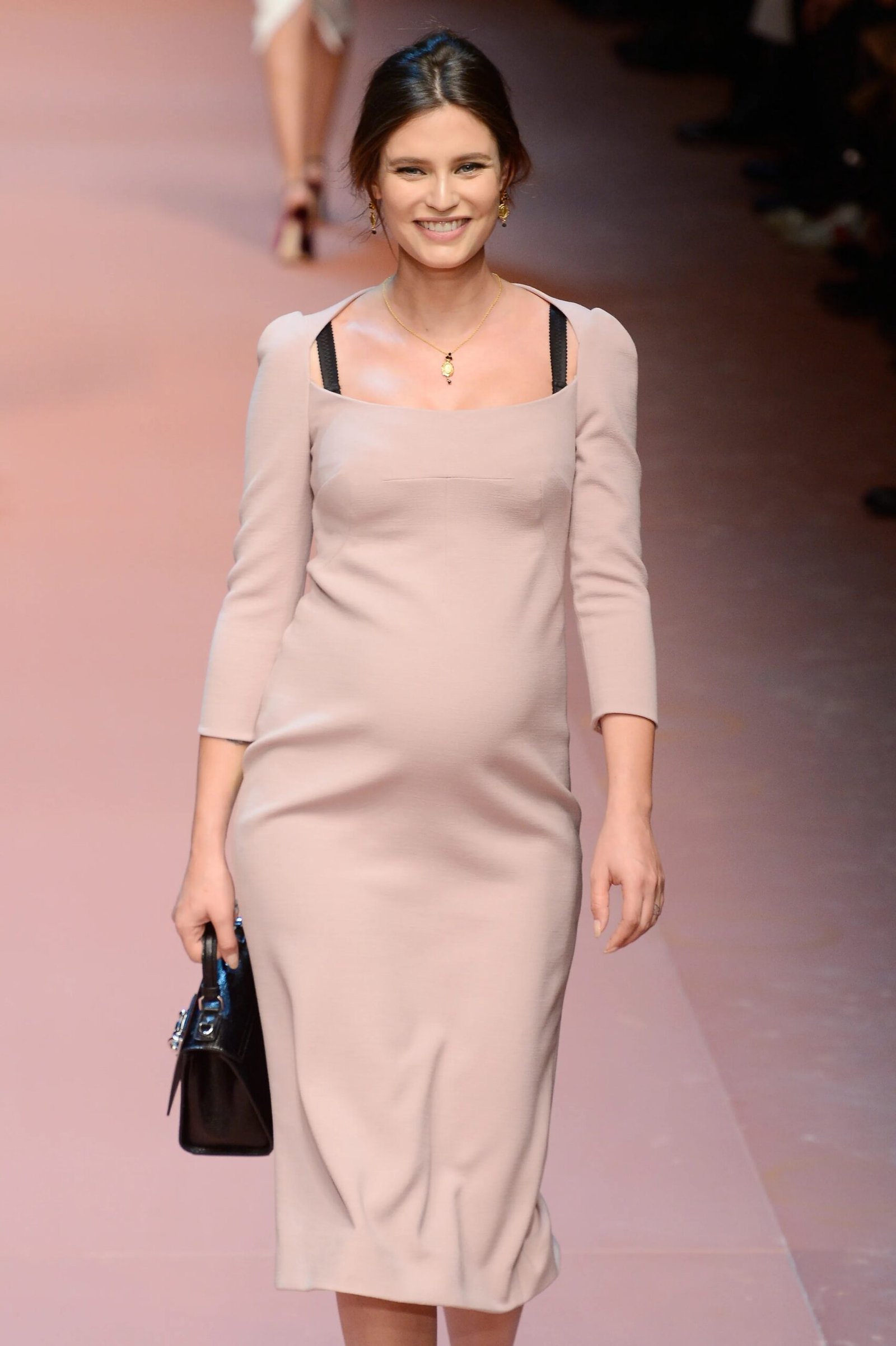
In 2015, at Milan Fashion Week, the Italian brand Dolce & Gabbana interestingly explored this theme within an entirely new, broader cultural context. The brand’s Fall-Winter 2015 collection, which was officially registered under the name Viva la Mamma!, was openly and festively dedicated to the social significance of the institution of motherhood. During the show, the six-months-pregnant Italian model Bianca Balti proudly walked the runway. With this step, the designers emphasized that a woman’s social status, marital standing, and physical changes should under no circumstances restrict her public and professional engagement.
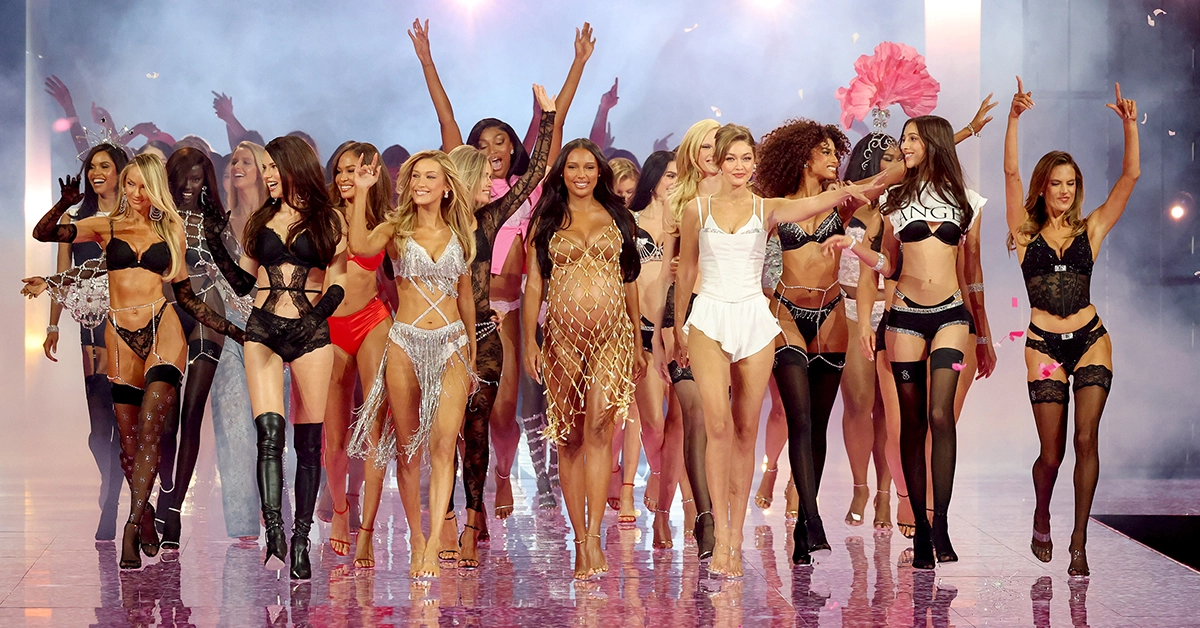
For decades, the Victoria’s Secret brand consistently presented the female body based on narrow, objectified standards. The company’s marketing strategy directly served the exclusive satisfaction of the so-called “male gaze.” However, due to market competition and changing consumer values, the brand was forced to radically alter its policy. American model Jasmine Tookes played a significant role in this process when she walked the runway at the 2025 Victoria’s Secret show while nine months pregnant. Such an unapologetic, proud demonstration of a pregnant woman’s body powerfully and convincingly confirms the company’s ideological transformation. Irina Shayk’s 2016 appearance also secured a special place in the history of the same brand. At the grand show held in the French capital, the six-months-pregnant model walked with complete confidence, accompanied by delicate silk details.
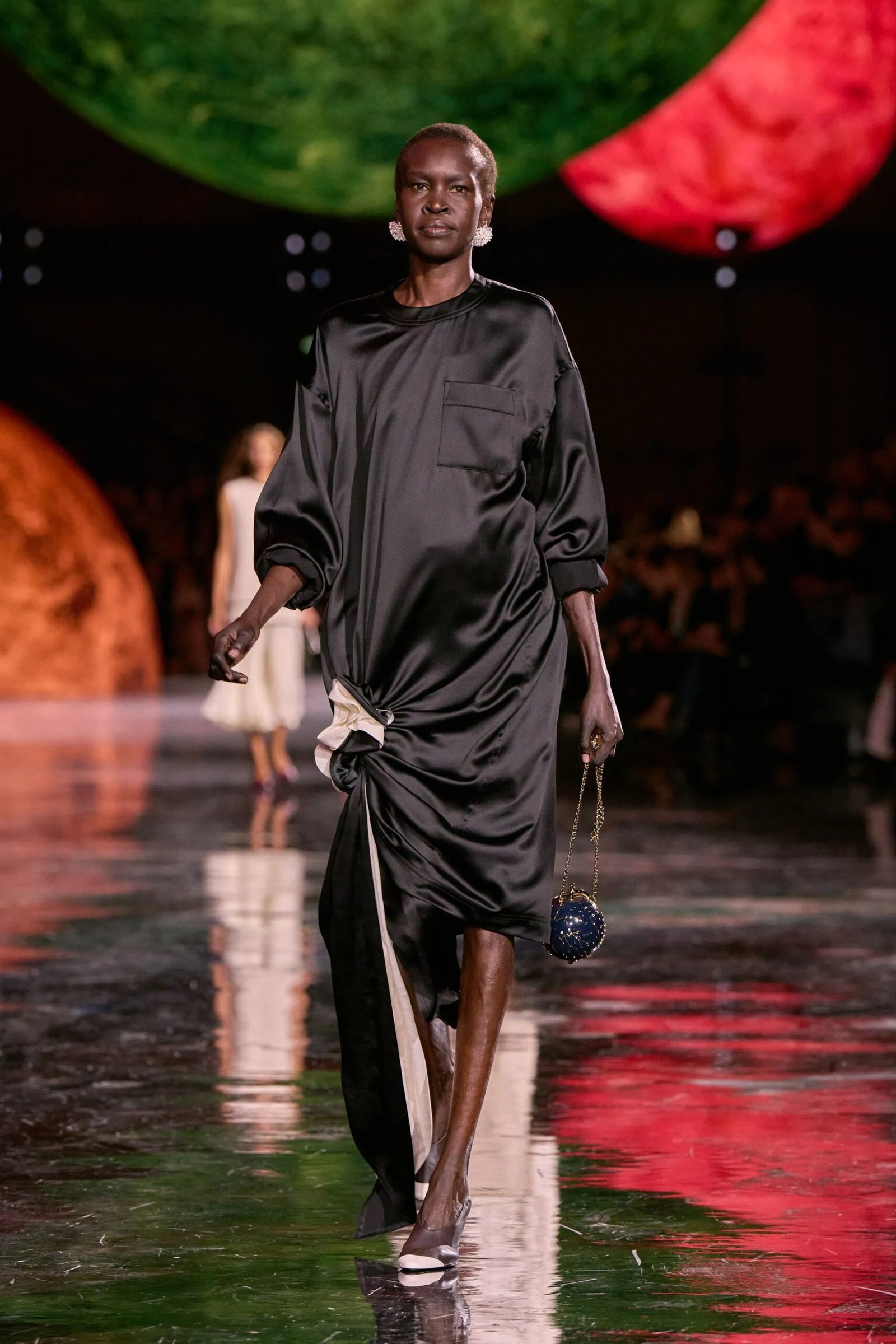
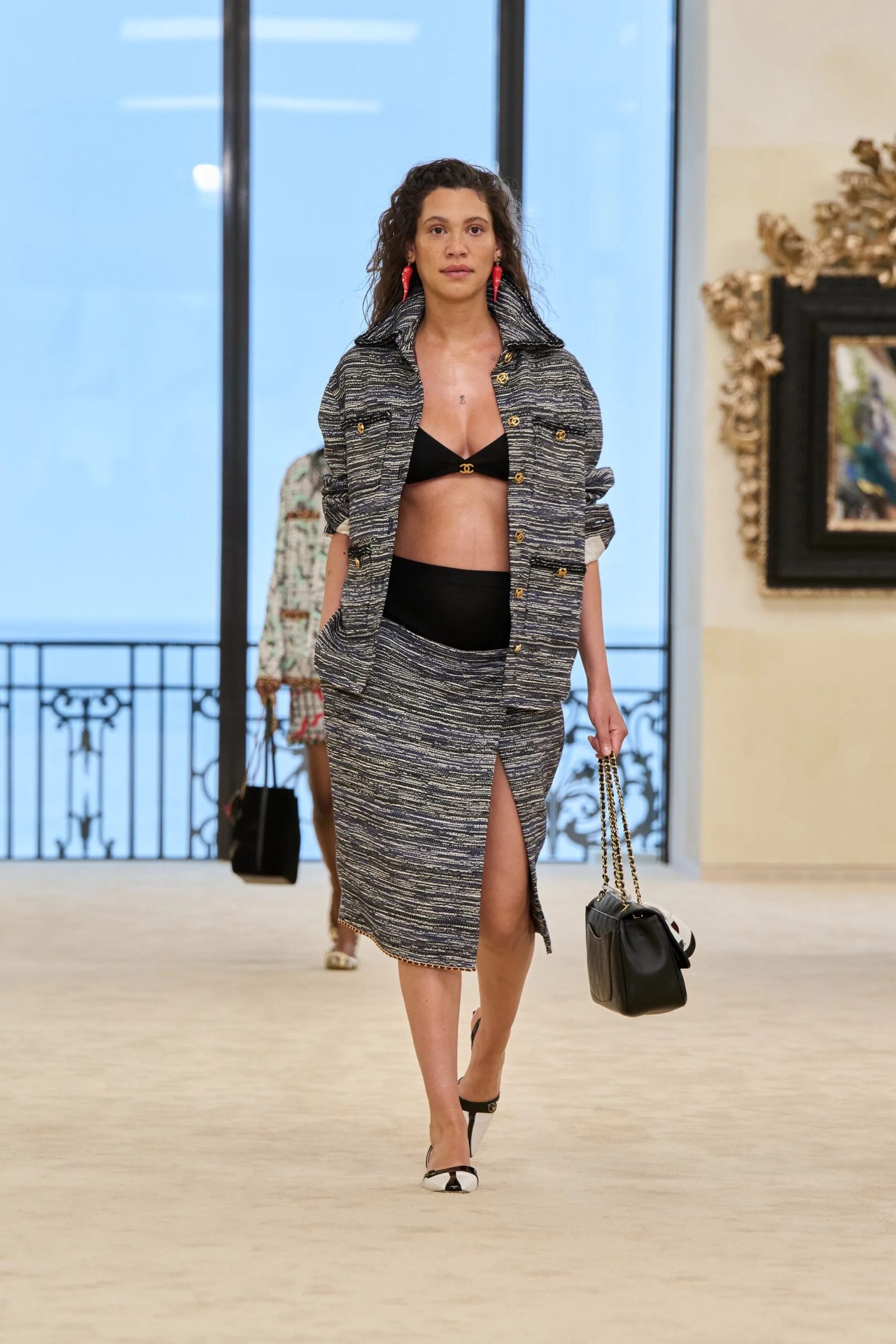
It is also essential to note the appearance of pregnant model Kaya Wilkins at the Chanel Cruise 2026/27 show, as well as the walk of renowned model Alek Wek at Chanel’s Spring-Summer 2026 show.
In the fall of 2018, as part of New York Fashion Week, a five-months-pregnant Lily Aldridge made a memorable appearance in designer Brandon Maxwell’s show. That same year, an even more radical episode of the industry’s revolution was the extremely inclusive show of Rihanna’s brand, Savage X Fenty, where a nine-months-pregnant Slick Woods struck extravagant poses.
To complete the picture, we must certainly mention the professional participation of a pregnant Ashley Graham in the 2019 Tommy Hilfiger and Zendaya collection show. The plus-size model’s appearance on the runway successfully combined body positivity with the full representation of pregnant women.
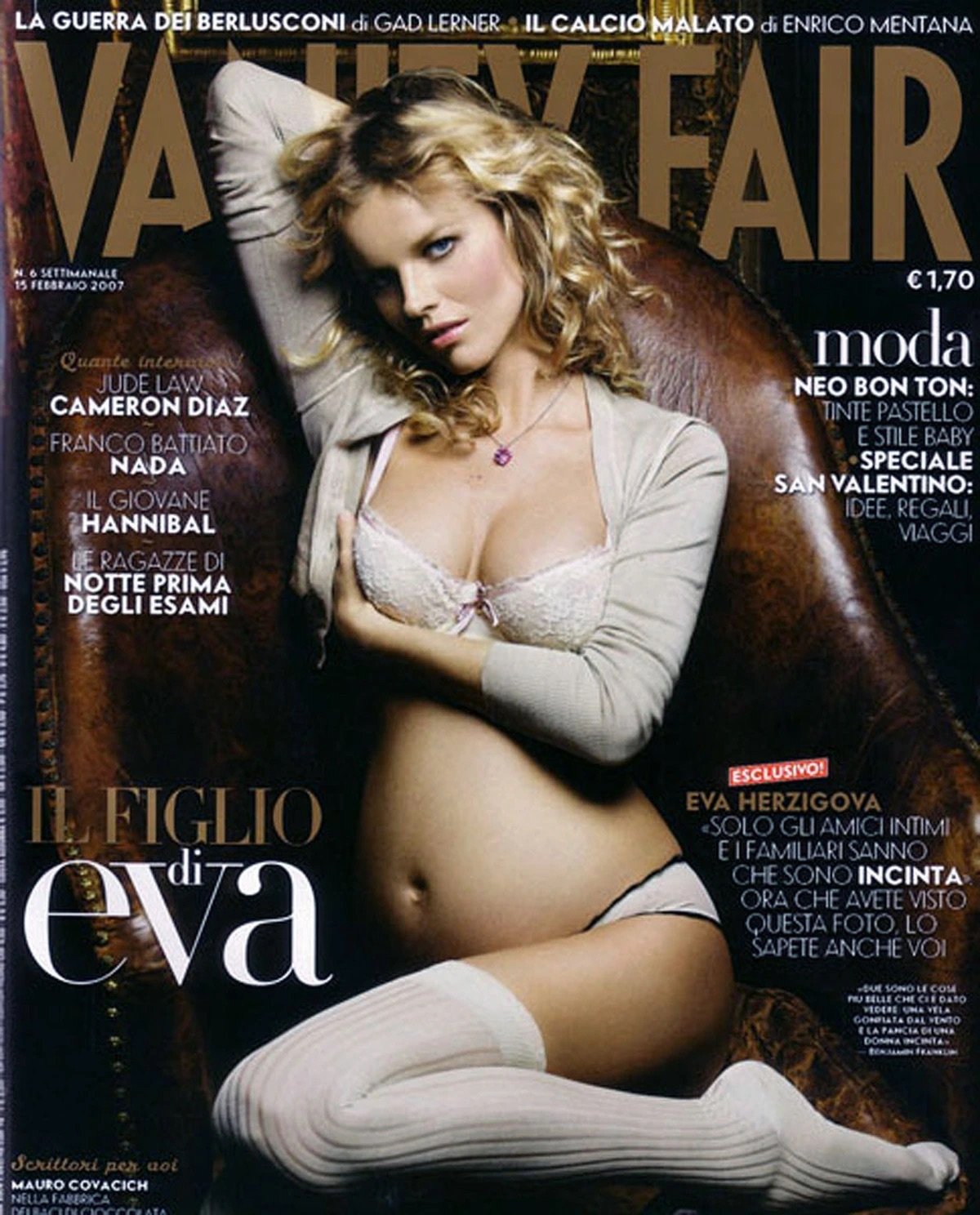
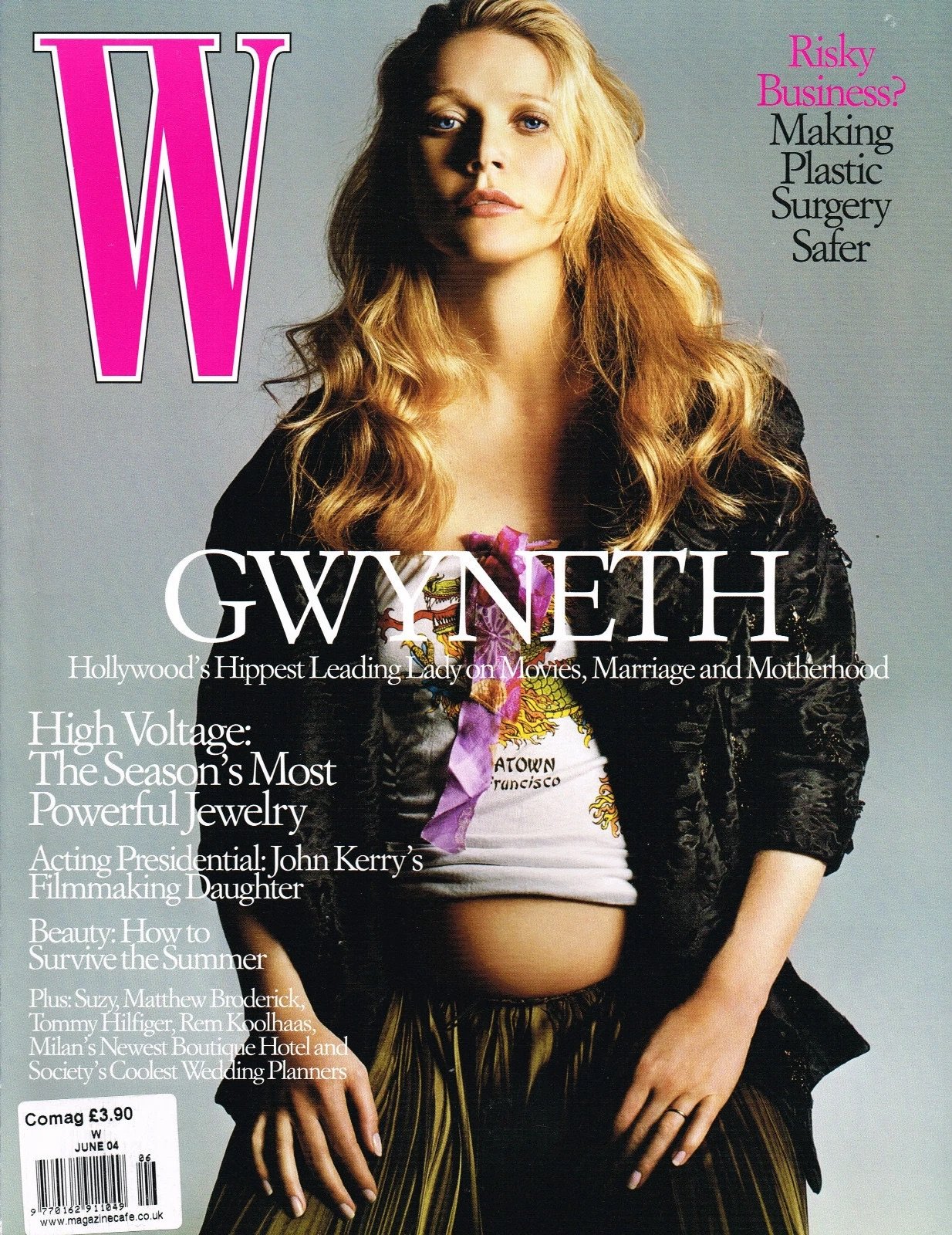
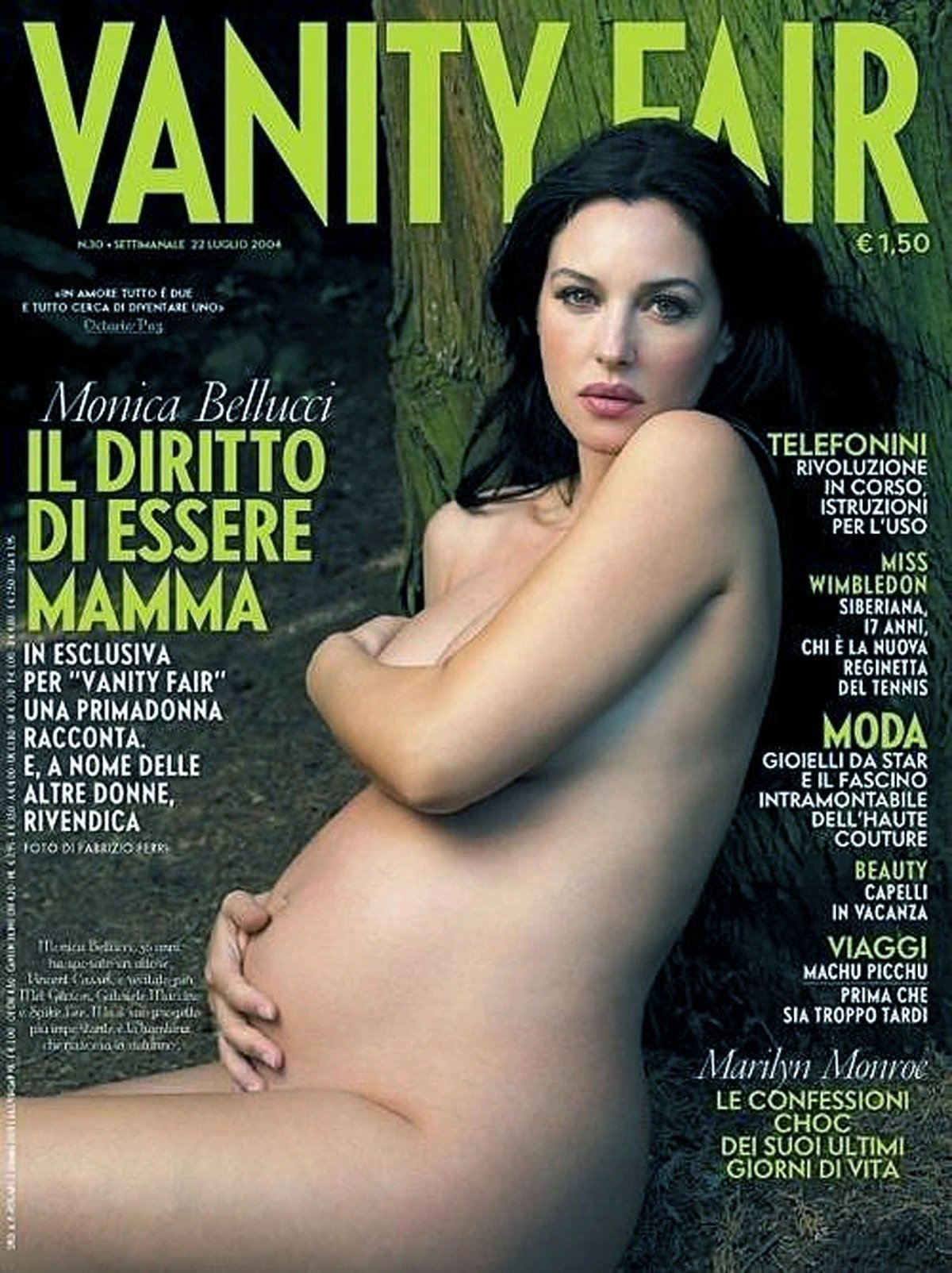
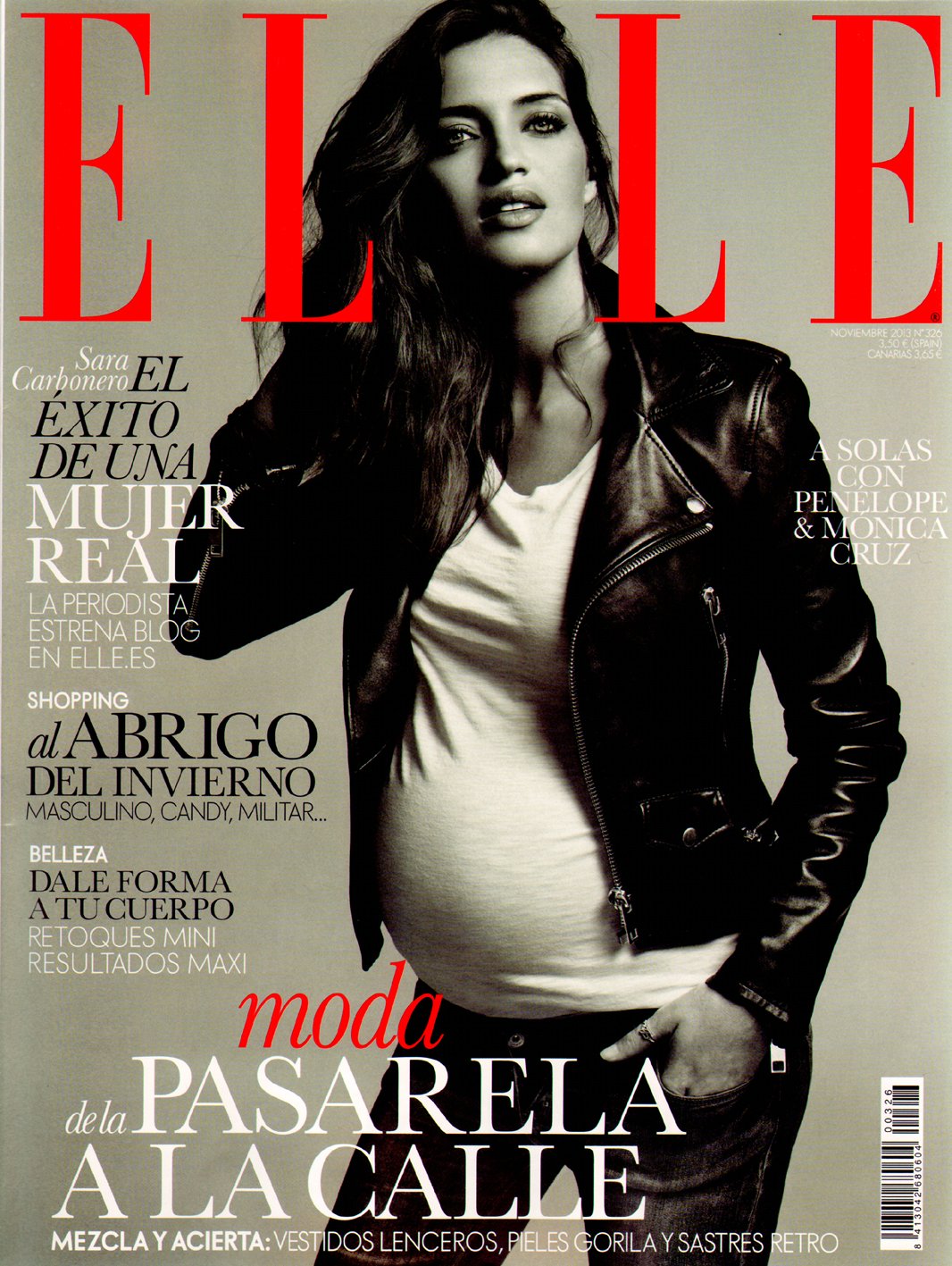
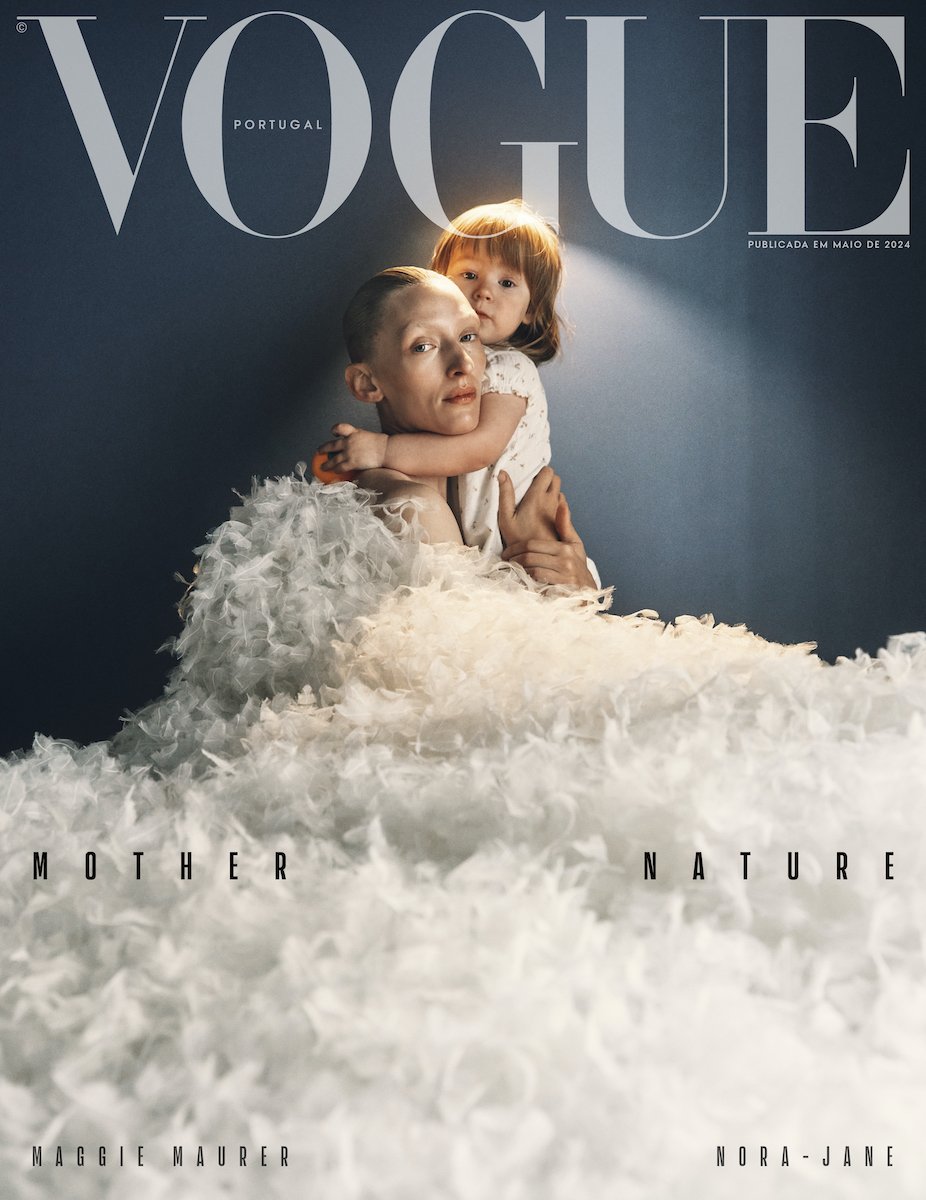
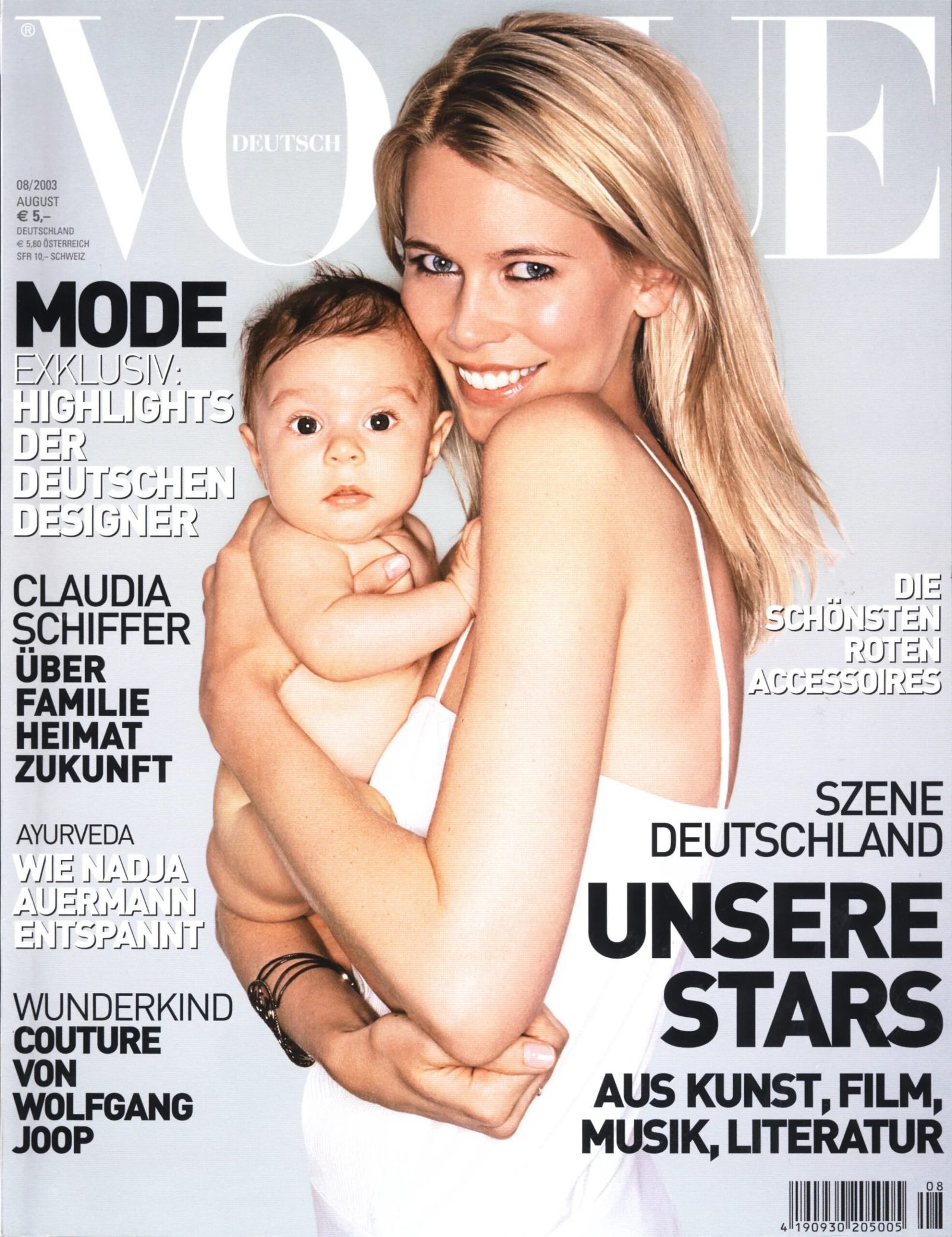
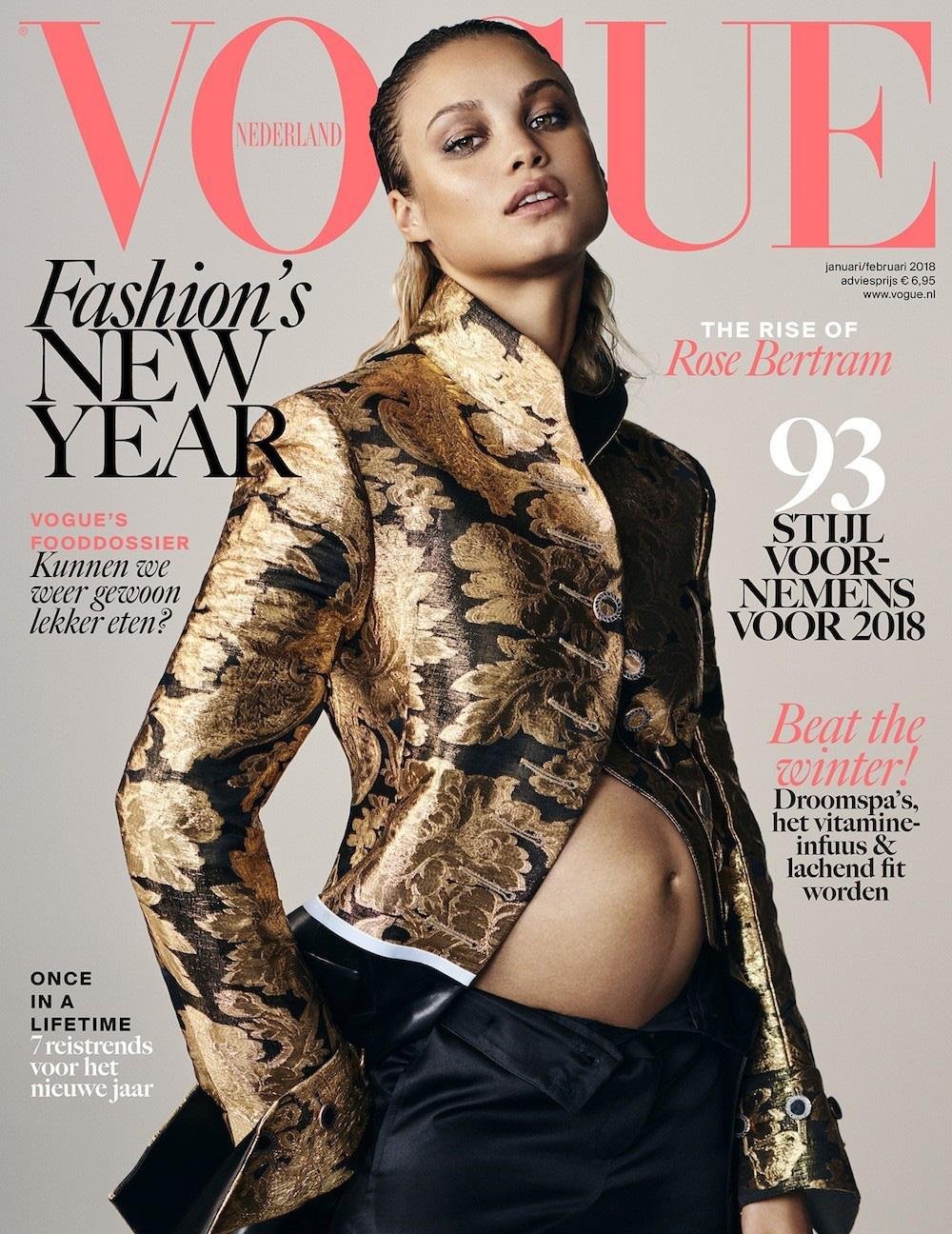
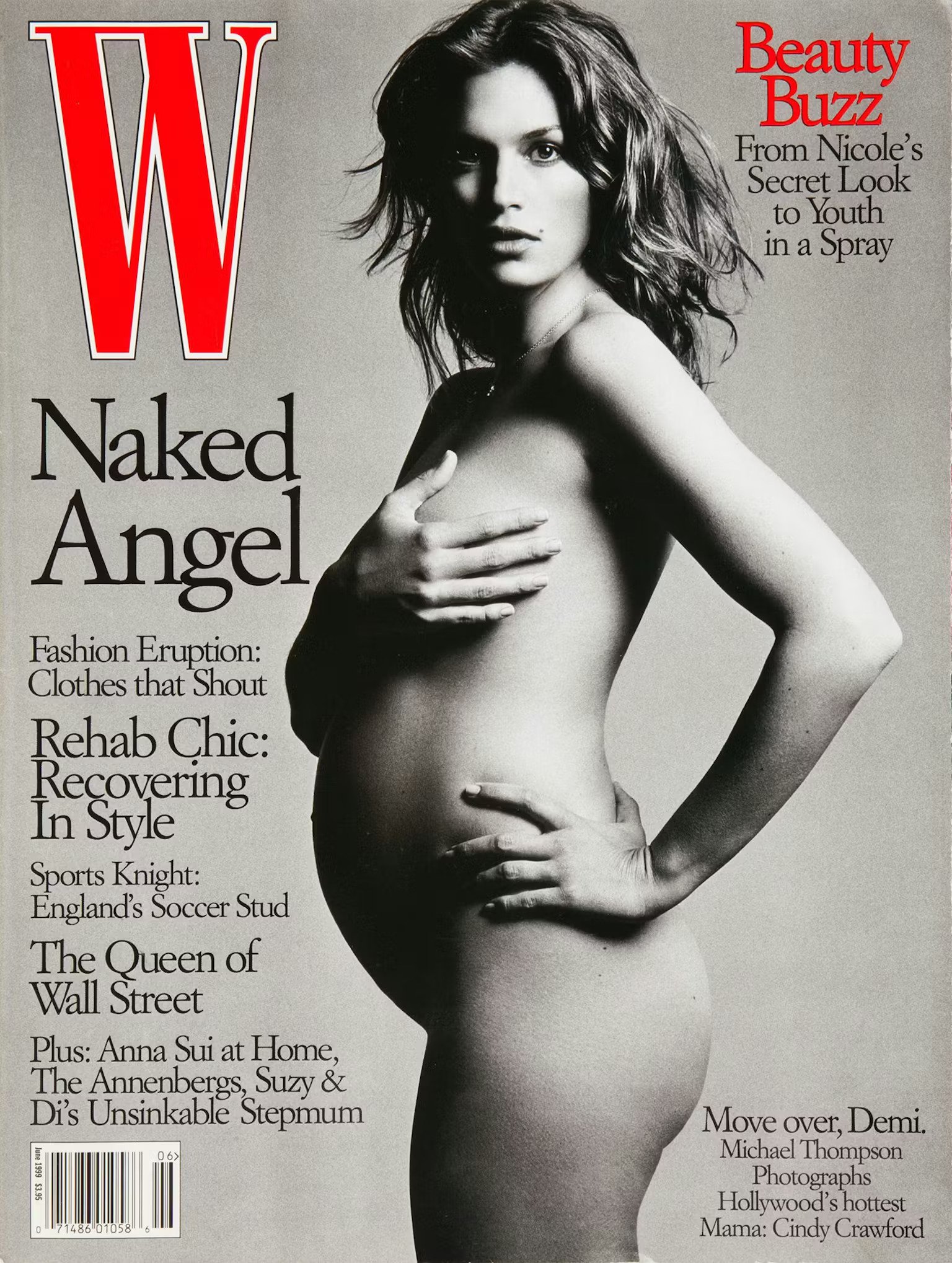
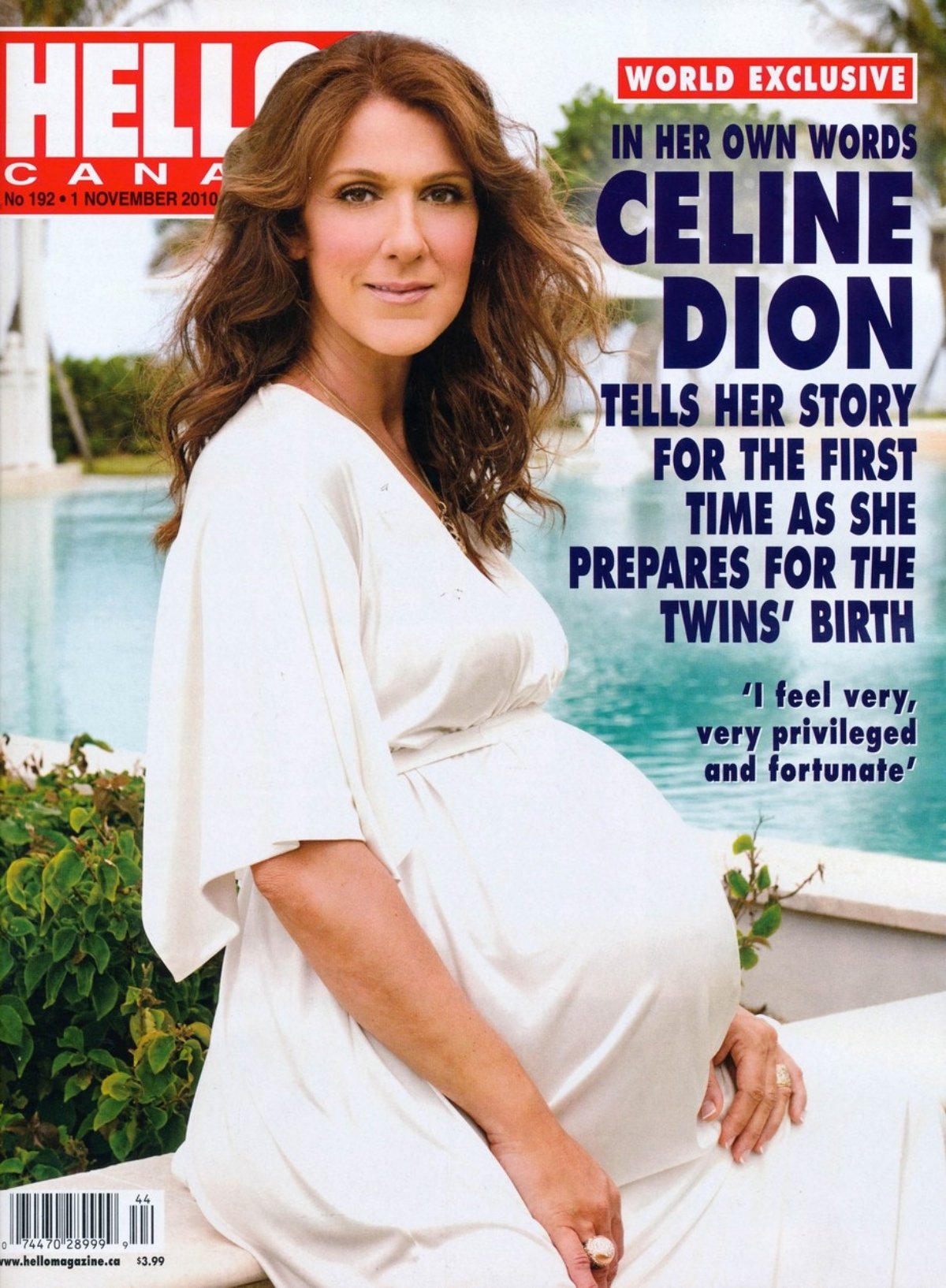
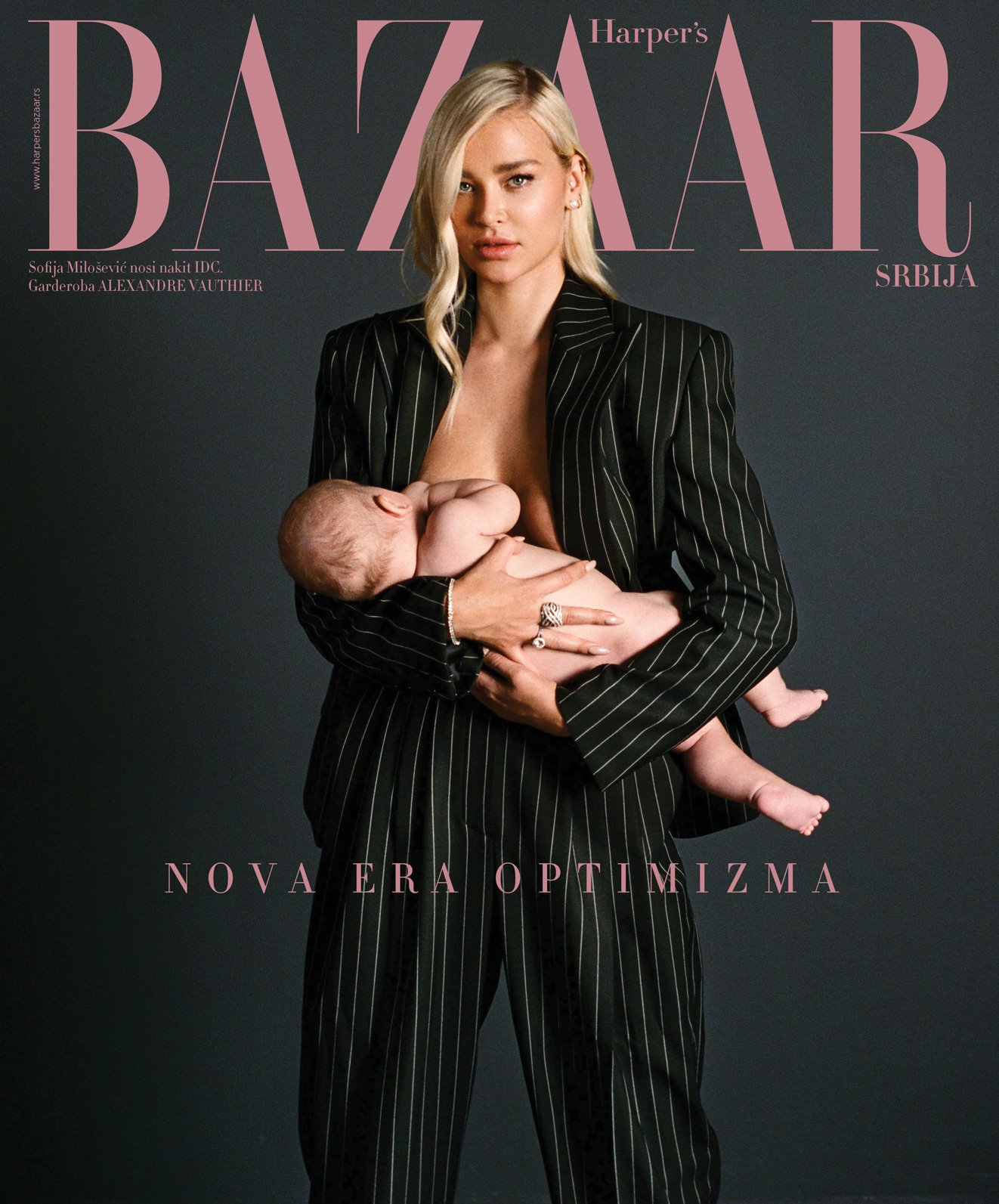
The systematic integration of pregnant models on the runway holds immense significance from a sociological perspective as well. The issue of representation in media and popular culture has a direct, decisive impact on shaping public opinion. When leading fashion houses and publications, which are followed globally by millions, fully showcase pregnant women in a professional environment, it instantly creates a powerful statement against workplace discrimination against women. Historically, in many professions, women constantly faced the real threat of losing their jobs or having their promotions stalled due to pregnancy. This conscious step by the fashion and publishing industries actively helps deconstruct this vicious practice. It proves to women that their altered physical state never means a reduction in professional competence. On the contrary, public and professional activity maintained during pregnancy stands proudly as an undeniable indicator of a woman’s organization, responsibility, and tremendous psychological strength. The appearance of pregnant models on international runways and the covers of renowned publications is far more than just a seasonal trend or a calculated marketing strategy.