

Inga Goguadze, Obstetrician-Gynecologist
When Joy Is Confronted by a “Silent Enemy”
One of life’s most moving and joyful experiences is the anticipation of a new life. It is a time when every day is filled with hope and plans for the future. Yet sometimes, this beautiful harmony is overshadowed by an unexpected “enemy” known in medicine as preeclampsia.
As a physician, I see the fear and confusion in expectant mothers’ eyes when they receive this diagnosis. It is not merely a dry medical term; it is a challenge that calls for protecting two lives, with timely information, vigilance, and advances in modern medicine serving as our most powerful tools.
To every woman who is planning a pregnancy or already expecting a baby: knowledge is your strongest line of defense!
What Is Really Happening? A “Breakdown in Communication” Between Mother and Baby
Contrary to a common misconception, preeclampsia is not simply “high blood pressure.” It is a complex, systemic response that begins in the placenta.
Imagine an ongoing dialogue between the placenta and the mother’s body. When this communication is disrupted due to changes in the placental blood vessels, the placenta may not receive an adequate supply of oxygen and nutrients. In response, it begins releasing specific substances into the mother’s bloodstream that act as warning signals. This triggers a cascade of reactions:
- Blood vessels throughout the mother’s body constrict.
- Blood pressure rises significantly.
- Vital organs, including the kidneys, liver, and brain, come under considerable stress.
In mild preeclampsia, blood pressure does not exceed 150/100 mmHg, and proteinuria is below 3 g/L. Apart from these findings, the pregnant woman may have no specific complaints.
As the condition progresses and becomes more severe, blood pressure may rise further, and symptoms such as pain in the upper abdominal region, visual disturbances, headaches, and swelling may develop, alongside signs of multiple organ involvement.
The condition is not limited to the kidneys. The liver and lungs may also be affected. In advanced cases, a marked reduction in blood flow to the brain can lead to seizures.
Swelling often begins in the feet and gradually spreads upward. Swelling of the abdominal wall and face may indicate a more serious condition and a disturbance in fluid balance. Therefore, swelling during pregnancy warrants timely medical assessment and, when indicated, treatment.
What Does The Lancet, One of the World’s Leading Medical Journals, Tell Us?
Large-scale studies published in the prestigious medical journal The Lancet highlight preeclampsia as one of the major challenges in global healthcare. It affects up to 8% of pregnancies worldwide and continues to contribute significantly to perinatal morbidity and mortality.
Research published in The Lancet highlights three key areas that deserve particular attention:
- Placental imbalance: Impaired blood circulation can directly affect the fetus, leading to restricted fetal growth.
- Cardiometabolic connection: A mother’s pre-existing risk factors, including chronic hypertension, diabetes, and metabolic disorders, substantially increase the likelihood of developing preeclampsia.
- The need for universal screening: Researchers emphasize the importance of early screening for all pregnant women, as timely diagnosis and appropriate management can be crucial in saving lives.
Who Is at Risk, and How Can We Prepare?
If you are planning a pregnancy or are already pregnant, it is essential to be aware of the main risk factors:
- First pregnancy or an interval of more than 10 years between pregnancies.
- Multiple pregnancy: Carrying twins or more increases the risk of preeclampsia.
- Maternal age over 35 and obesity (BMI greater than 30).
- Chronic medical conditions: Chronic hypertension, diabetes, kidney disease, or autoimmune disorders.
- A history of preeclampsia in a previous pregnancy or a family history of the condition, particularly in the mother or sister.
The Formula for Prevention: Modern Medicine’s Tools for Protection
Fortunately, modern medicine offers effective approaches to reducing the risk of preeclampsia and managing the condition when it develops.
- Low-dose aspirin: When prescribed by a physician, low-dose aspirin started early in pregnancy—ideally before 16 weeks for women at increased risk—can significantly reduce the risk of developing preeclampsia.
- Calcium and magnesium sulfate: Calcium supplementation may help prevent preeclampsia in women with low calcium intake. Magnesium sulfate, meanwhile, is used in severe preeclampsia to prevent or treat seizures; it is not primarily a medication for lowering blood pressure.
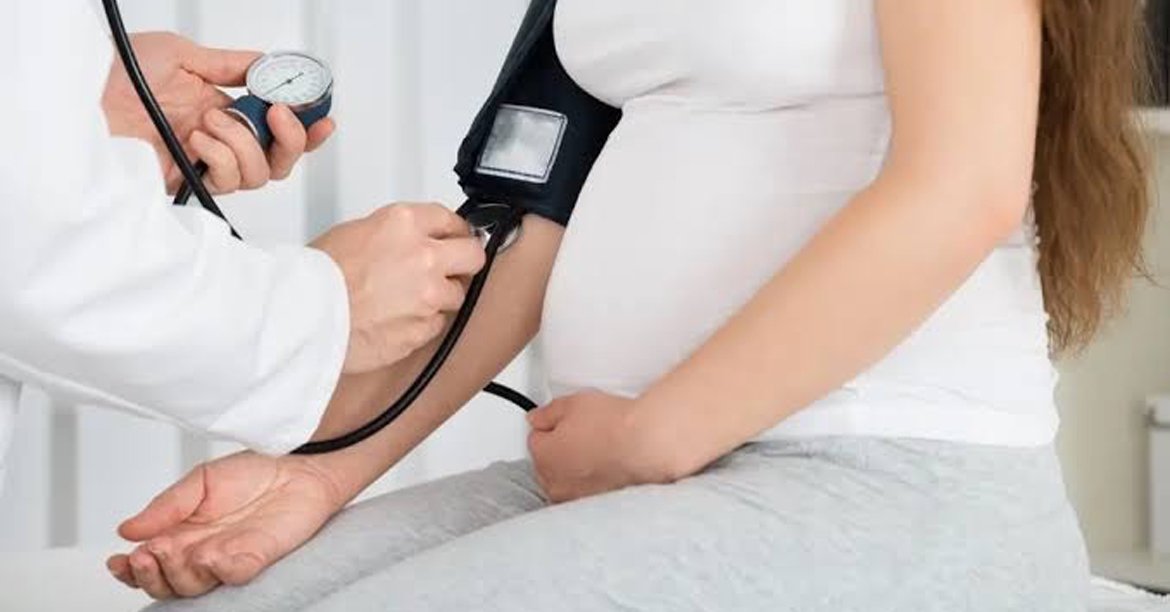
- Regular monitoring: Routine blood pressure measurements and assessment for protein in the urine are essential components of antenatal care. Depending on the individual’s risk factors and clinical findings, additional tests and closer monitoring may be necessary.
Hope, Trust, and a Peaceful Pregnancy
Although preeclampsia is a serious medical challenge, I want you to remember one thing: you are not alone.
Modern medicine, combined with your attentiveness to your own health, can make a significant difference. Trust your obstetrician-gynecologist, and never ignore warning signs such as a persistent or severe headache, blurred vision, or sudden swelling of the face and hands.
Seek urgent medical assessment if these symptoms occur, as they may indicate severe preeclampsia or another serious pregnancy complication.
With timely diagnosis, appropriate medical care, and careful monitoring, many women with preeclampsia go on to have positive outcomes. The ultimate goal is always the same: a healthy mother and a healthy newborn.