


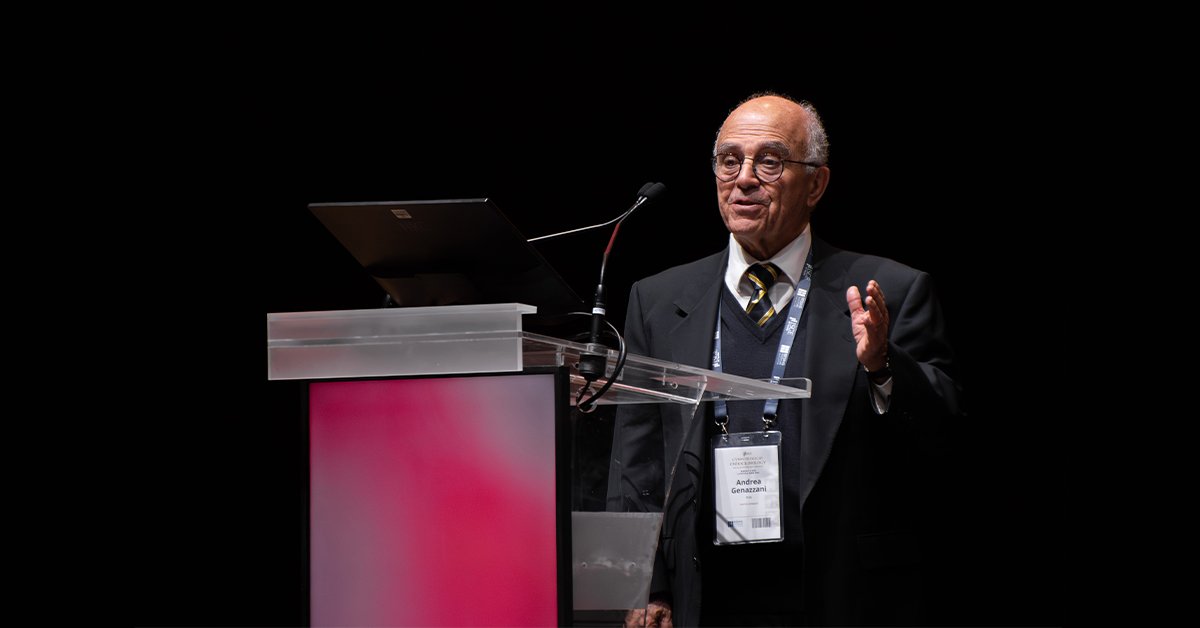
ANDREA GENAZZANI: 40 Years That Changed Gynecological Endocrinology
Interviewed by Eka Noniashvili
The 40th-anniversary forum of the International Society of Gynecological Endocrinology (ISGE) — the largest and most prestigious event in the field — was celebrated in Rome with impressive scientific achievements. The 40-year history of the society is closely tied to one specific name: Professor Andrea Genazzani. He was the initiator and leader of the small group that founded the ISGE in 1986, and for years, as its president, he determined the direction of the field’s development.
Today, at over 80 years old, Professor Genazzani continues to serve the field as the Executive Director of the ISGE. He is the author of one of the core philosophies in gynecological endocrinology: “caring for women’s health not in fragments, but continuously and holistically.”
During the congress, we spoke with Professor Genazzani, one of the most influential figures in gynecological endocrinology, who shared his own experiences on how this discipline has become a vital branch of modern medicine and what challenges it faces today.
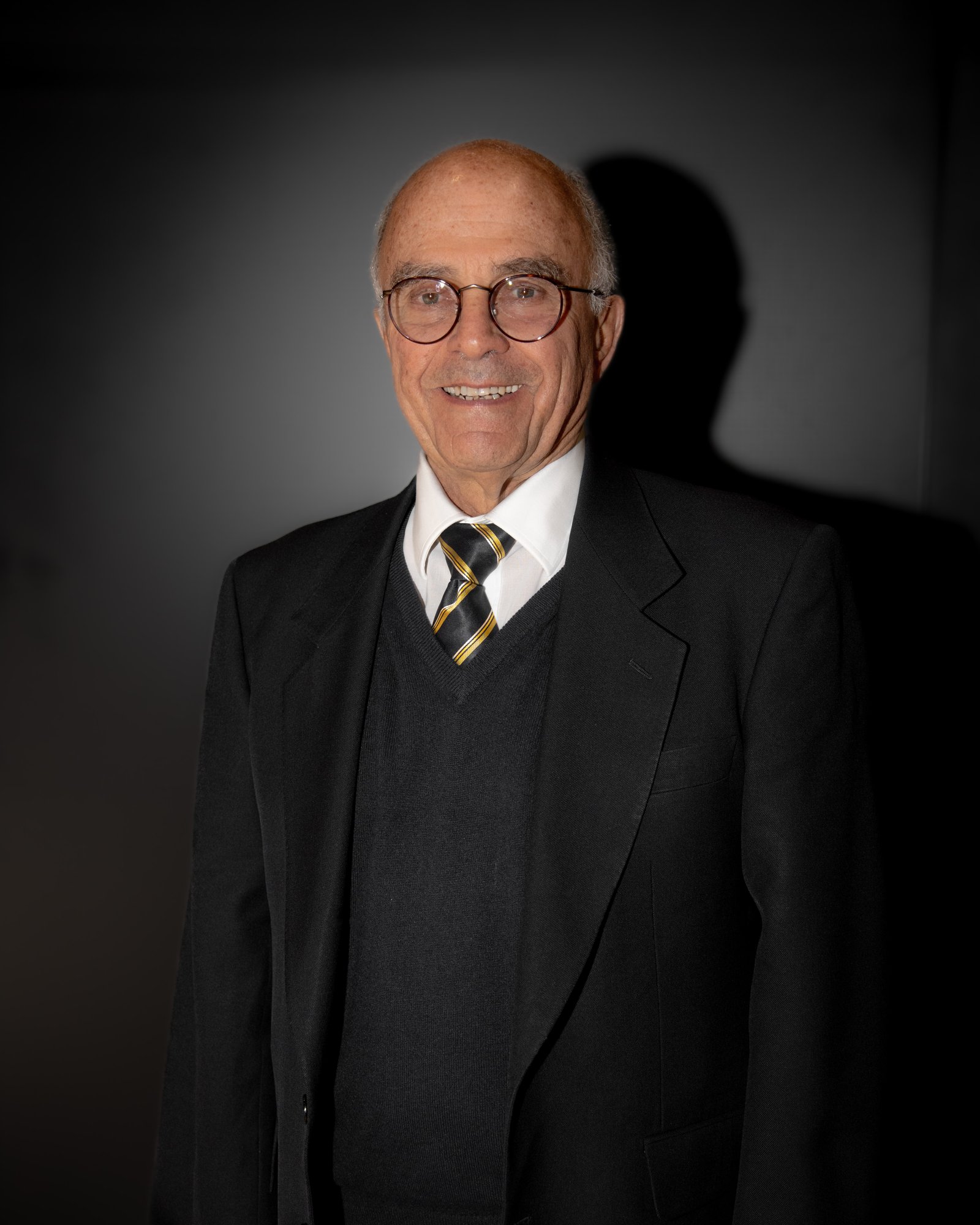
How did your professional journey in gynecological endocrinology begin, and how did this field take shape over the course of your career?
My professional path is extensive and closely tied to reproductive endocrinology, research, international congresses, and scientific publications. I started as an obstetrician-gynecologist. As a practicing physician, I always felt that gynecological endocrinology was underappreciated. General endocrinology was focused on other areas, whereas the female body requires a completely different approach.
A few like-minded colleagues and I united around this idea. Our goal was, on one hand, to strengthen endocrinological knowledge among gynecologists, and on the other hand, to develop new treatment methods that would be relevant at various stages of a woman’s life. This encompasses the menstrual cycle, pregnancy, hormonal disorders, and especially menopause, which today constitutes a very significant portion of a woman’s life.
You have played a major role in the development of this field. What do you consider to be your primary achievement?
That is probably for others to say. I have served the field for six decades; I am the President of the International Academy of Human Reproduction, the Executive Director of the ISGE, and a former President of the European Society of Gynecology. However, if I had to highlight one main achievement, it would be my research on menopausal hormone therapy.
For a long time, there was a misconception that hormone therapy increased the risk of breast cancer and cardiovascular diseases. This conclusion was based on the famous American study, the Women’s Health Initiative.
I did not agree with this position. In my assessment, the study’s design and the medications used were flawed. In Europe, we used different types of hormones — more natural and physiological — and we did not observe such risks.
We worked extensively on this topic, and today it is proven that properly selected hormone therapy is not only safe but also has a significant positive impact on a woman’s health, including the musculoskeletal and cardiovascular systems, mental state, and overall quality of life.
As one of the founders and the first President of the ISGE, how has the society evolved over the last 40 years?
Our team has grown and strengthened significantly. Today, it is one of the most authoritative platforms in the field. We have a journal with high scientific standards, international congresses, online educational programs, and webinars. We also created an international school to train young doctors.
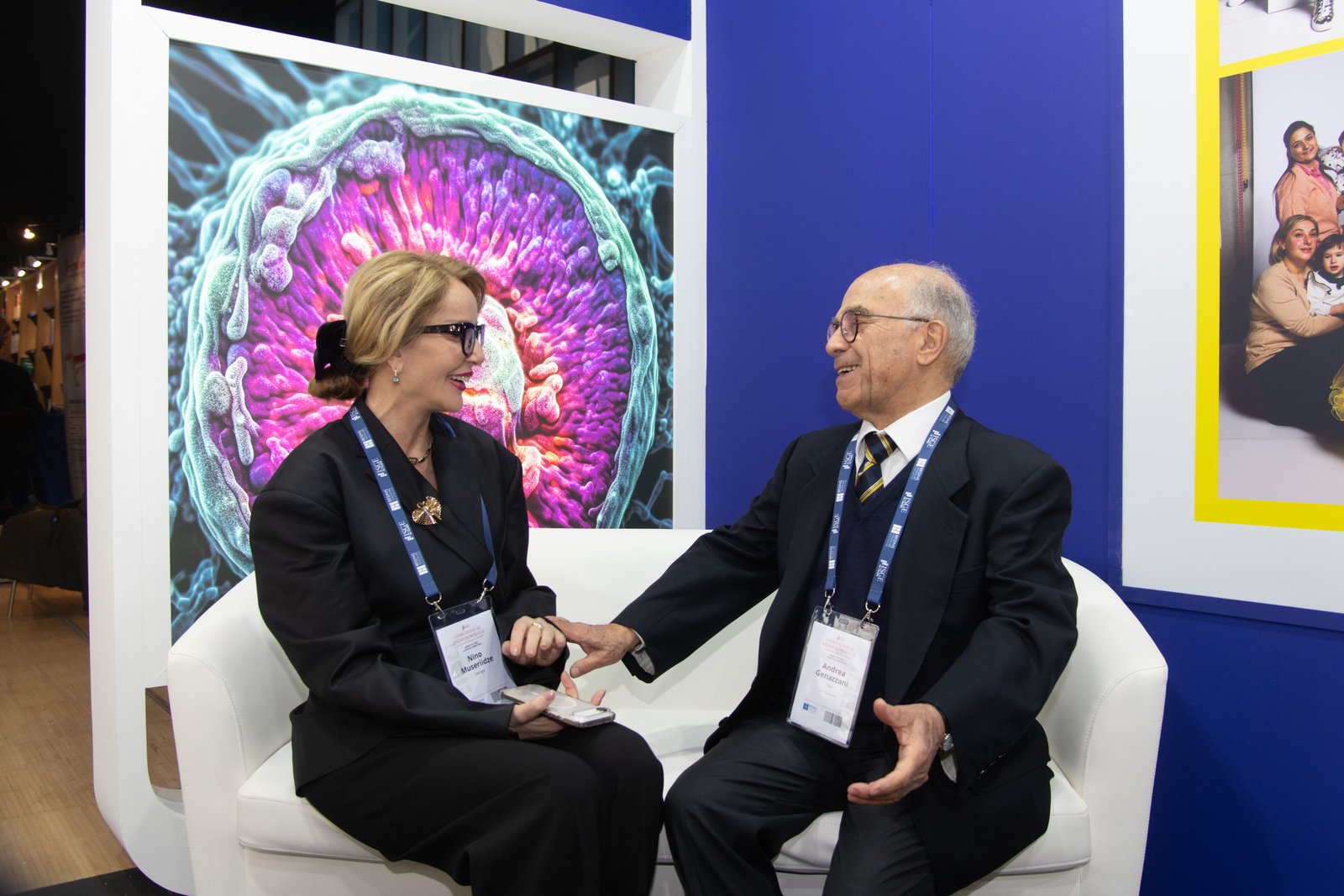
At the last congress held in Rome, we had over 3,000 participants. This is a tremendous success. Among them was the only Georgian clinic presented in the form of a symposium — the GGRC (Georgian-German Reproductive Center), led by Nino Museridze and Giorgi Archvadze. I must specifically mention this clinic; it is a highly successful example. Even though the center was established relatively recently, it has already gained international recognition.
Its leaders combine both scientific and managerial expertise, which is crucial for the development of such a center.
How would you evaluate Georgia’s place in global medicine?
Georgia is a very interesting and rapidly developing country in this regard. It is especially noteworthy that highly motivated doctors and active scientific groups are working there.
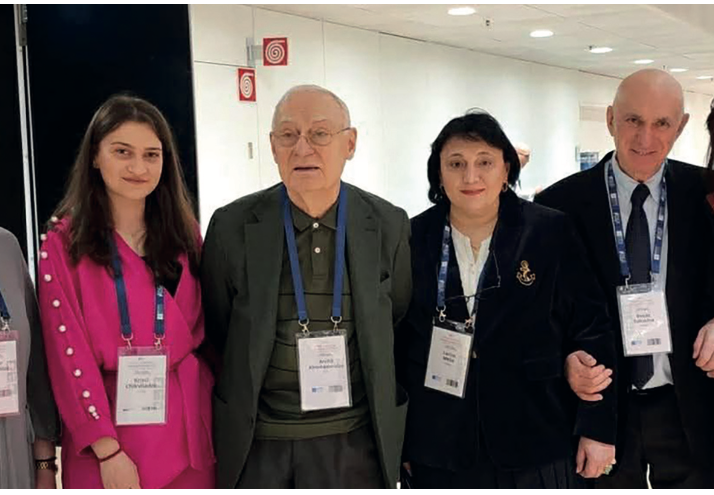
In this context, the role of Professor Archil Khomasuridze deserves special mention. He is one of the most prominent international representatives from Georgia. He is a member of the International Academy of Human Reproduction, an organization that unites only 50 leading scientists worldwide.
His work and his team serve as an important bridge between Georgia and the international scientific community. Figures like him strengthen the country’s position on the global map and lay the groundwork for Georgia to be actively involved in the development of modern reproductive medicine.
In your assessment, what will define the future of gynecological endocrinology?
If we talk about the future, we already have very clear directions today. One of the main ones is the transition to natural hormones, both in contraception and hormone therapy. The synthetic formulas used for years often do not replicate the biological pathways the body inherently uses. Our task is to get as close to physiology as possible — the model that nature itself provides.
Another important direction is a completely new understanding of menopause. Today, we no longer view it merely as a period of symptom management. It is a long phase in a woman’s life directly linked to cardiovascular health, bone density, metabolism, and psycho-emotional well-being. Hormone therapy, when chosen correctly and tailored individually, can become not just a treatment but one of the most powerful tools for prevention.
The role of personalized medicine is also significant. The same therapy does not work equally well for every patient. Every woman is different — her hormonal profile, risks, and lifestyle. In the future, an even greater emphasis will be placed on individual approaches, where decisions are driven by the specific needs of the patient rather than rigid protocols.
And finally, the main element we must not lose amid technological progress is the doctor-patient relationship. Medicine is not just about medications and algorithms. It is about trust, communication, and understanding a person. If we maintain this, then every innovation will truly work for the benefit of human health.
Last year, you participated in a symposium held in Georgia. How would you describe that experience?
It was a highly significant and successful event. Organized through the efforts of Professor Archil Khomasuridze and the founder of the Georgian-German Reproductive Center, Professor Nino Museridze, Georgia presented a high-level scientific program. It involved doctors not only from Georgia but from the entire Caucasus region, Central Asian countries, Europe, and America.
This demonstrates that Georgia has already become a regional scientific hub where knowledge exchange, collaboration, and the formation of new professional connections are possible.
Personally, it was a very impressive experience for me, both professionally and culturally.
What advice would you give to young doctors, especially in countries like Georgia?
First and foremost, be serious about your profession. Medicine is not just about acquiring knowledge; it is a continuous process that never ends. You must study every day and constantly search for answers.
It is vital to learn to listen to the patient. Every patient is an individual, and the same disease manifests completely differently in different people. A doctor must be able to do more than just make a diagnosis; they must understand the person, their fears, expectations, and real needs. Sometimes a word, an attitude, or a gesture of support has just as much power as a medication. The patient needs to feel that they are not alone.
Lastly, we live in difficult times — uncertainty, fear, wars. In such times, the role of a doctor becomes even more elevated. A doctor must be not just a professional, but a pillar of support; someone people trust, who calms them and shows them the way.
If a young doctor can treat a patient with knowledge, responsibility, and love, they will undoubtedly secure their place not only in medicine but in people’s lives.