

The Strategy That Placed a Georgian Clinic on the International Map
Interviewed by Eka Noniashvili
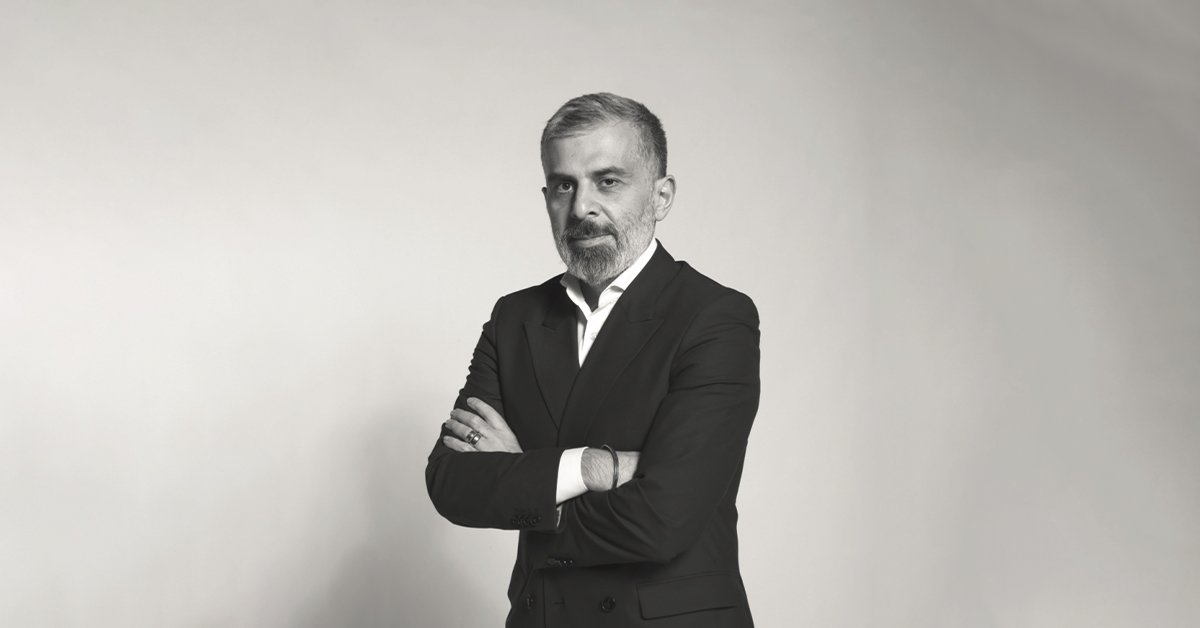
Giorgi Archvadze is among those managers who have established their place in the Georgian healthcare sector not just by profession, but through vision. A lawyer by education, yet with years of experience in managing medical institutions, he is a manager who does not perceive a clinic merely as an administrative unit. For him, it is a system where quality, responsibility, and strategic development intersect.
The Georgian-German Reproductive Center (GGRC), which he has led since its foundation, is the direct result of this approach — a clinic that managed to achieve rapid growth and position itself in the international arena in just a few years.
We spoke with the General Director of GGRC, Giorgi Archvadze, about the path that led to this result, clinic management, international connections, and the opportunities Georgian medicine holds today.
Mr. Giorgi, you are a lawyer by education, yet today you are involved in managing a highly successful medical institution. How did this journey begin?
My professional path began with a legal education, but I realized quite early on that I was interested not only in law but also in the systems where this knowledge actually operates. Healthcare is one of the most complex and multi-layered fields. It is where law, management, ethics, and human responsibility intersect.
My involvement in the medical field stemmed precisely from this interest. Over time, I gained experience in managerial positions across various clinics and realized that this is a space where you can have a real impact — not just on processes, but on outcomes that directly affect people.
You have been leading the Georgian-German Reproductive Center for several years now. What do you consider the main foundation for the rapid development of this clinic?
When the clinic was founded, we had a very clear vision from the very beginning: our goal was to create a platform that would gradually become an international player, with its own team ethics, patient-oriented services, elements of medical tourism, and high corporate social responsibility.
Achieving this required three main components: a strong and professional medical team, high-quality standards, and strategic management constantly focused on development. The synergy of these three modules gave us the result we see today.
The clinic’s development is particularly impressive over a 6-year timeframe. What was the main driver of this growth?
I think the key was making the right decisions at the right time. This exact timing was “caught” by the clinic’s founder, Nino Museridze, who, prior to the clinic, had established a foundation to help childless couples. The clinic was a continuation of this social responsibility, a place where even more could be done for the patient. We focused on international relations from the outset — not formally, but in a real, practical sense. We worked on partnerships, experience sharing, and the implementation of new programs. Alongside this, we constantly strove to improve patient-tailored services because, ultimately, that is what determines a clinic’s reputation. Growth is not just about numbers; it is about maintaining and developing quality simultaneously.
International relations are often cited as your strong suit. What does this mean in practice?
For me, international relations do not just mean having contacts. It is a collaboration based on trust. We actively cooperate with clinics and specialists from various countries, which allows us to constantly be part of the process — learning, observing what is happening in the world, what is changing, and what is developing. This enabled us to introduce programs to the clinic that were previously unavailable in Georgia. Furthermore, these relationships build trust among patients; when they see that the clinic is integrated into an international network, making a decision becomes much easier for them.
In Georgia, a large portion of patients in reproductive centers comes from various countries, and GGRC is a leader in this regard. How do you manage to attract this interest?
It is a complex process and a direct part of our international relations and programs. First and foremost, results matter — patients go where they see real results. Second is communication and accessibility. And third is trust, which is built over time.
It was important for us to offer the patient not just medical care, but a complete service package, starting from the first communication all the way through the completion of the treatment process.
Here is a very important detail: we aligned incoming international patients with our corporate social responsibility. It is precisely through foreign patients that the clinic is able today to help Georgian patients fund their reproductive services. More foreign patients mean more financial resources to help childless Georgian couples.
You have already opened a clinic in Yerevan and a representative office in America. What does this stage mean for the clinic’s development?
For us, these steps are not simply a geographical expansion; they are a continuation of the strategy we had from the very beginning. When a clinic starts operating on the international market, not only does its scale change, but also its mindset. You operate with different standards, different expectations, and different responsibilities. Opening a clinic in Yerevan and establishing a representative office in America gives us the opportunity to be closer to our patients, simplify communication, and build trust even before they make a decision. Moreover, this is an important signal that a Georgian clinic is no longer just a local player; it can compete on the international market, introduce new approaches, and become an active part of this process itself. These steps are not just growth; this is positioning that defines where we see ourselves in the future.
How difficult is it to manage a clinic on such a scale?
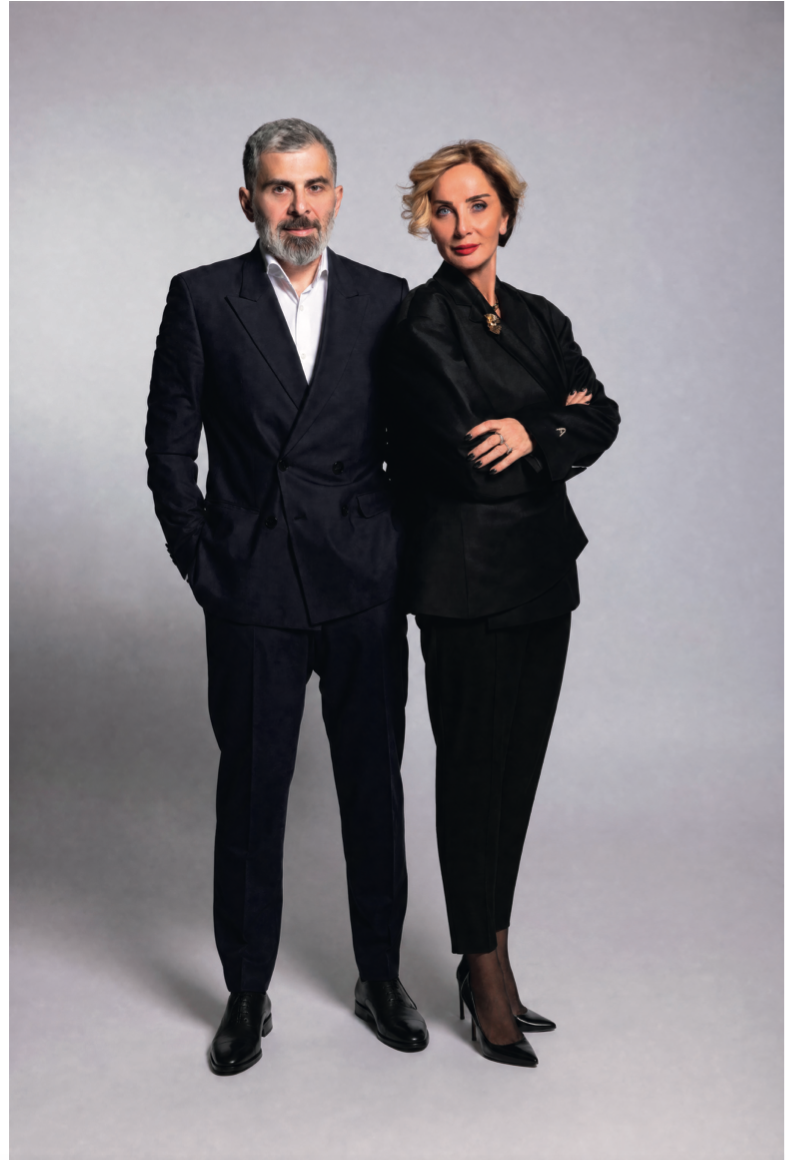
Healthcare is one of the most difficult fields in terms of management. Business logic alone does not work here; a balance between the human factor and systemic management is essential. Every decision you make ultimately affects the patient, and you must constantly remember this responsibility. Even more important is the team you rely on, those who stand by your side. You absolutely must have a partner you trust. I was lucky — the founder of our clinic, Dr. Nino Museridze, is an exceptionally sensitive, wise doctor with a high sense of corporate responsibility. I approach management more pragmatically, while for Dr. Nino, the patient, the human factor is especially important. This creates a platform where both employees and patients are happy to come. Ultimately, that is the main thing, because our field is about creating new life, and there should be many happy people here, both those who participate in creating this life and those who entrust us with the future of their family.
How do you see the place of Georgian medicine on the international map?
Georgia definitely has the potential to become a regional leader. We have strong doctors, a good clinical school, and, very importantly, flexibility, which allows us to quickly adopt innovations. If we add correct management and international integration to this, the result is guaranteed.
And finally, what does the clinic you manage mean to you personally? What stage of life are you in right now?
To me, the clinic is more than just a job; it is the materialization of my professional dream. Every day, I see how real change is created in people’s lives. At this stage, my responsibility and motivation are very high. Looking to the future, I see the implementation of new programs, more international partnerships, the use of modern technologies, and the further strengthening of Georgian medicine’s position on the global stage. This stage for me means responsibility, growth, and the opportunity to do what I have always considered important. The team is our greatest strength, because they are the ones executing the strategy on a daily basis. And experience gives depth and precision to every decision. This is a shared responsibility and a kind of mission with high corporate social responsibility. When you see that your work yields real results and helps people, it gives you the motivation to constantly develop and move forward. And here with us, this process never stops, and perhaps that is the most interesting part of it.