


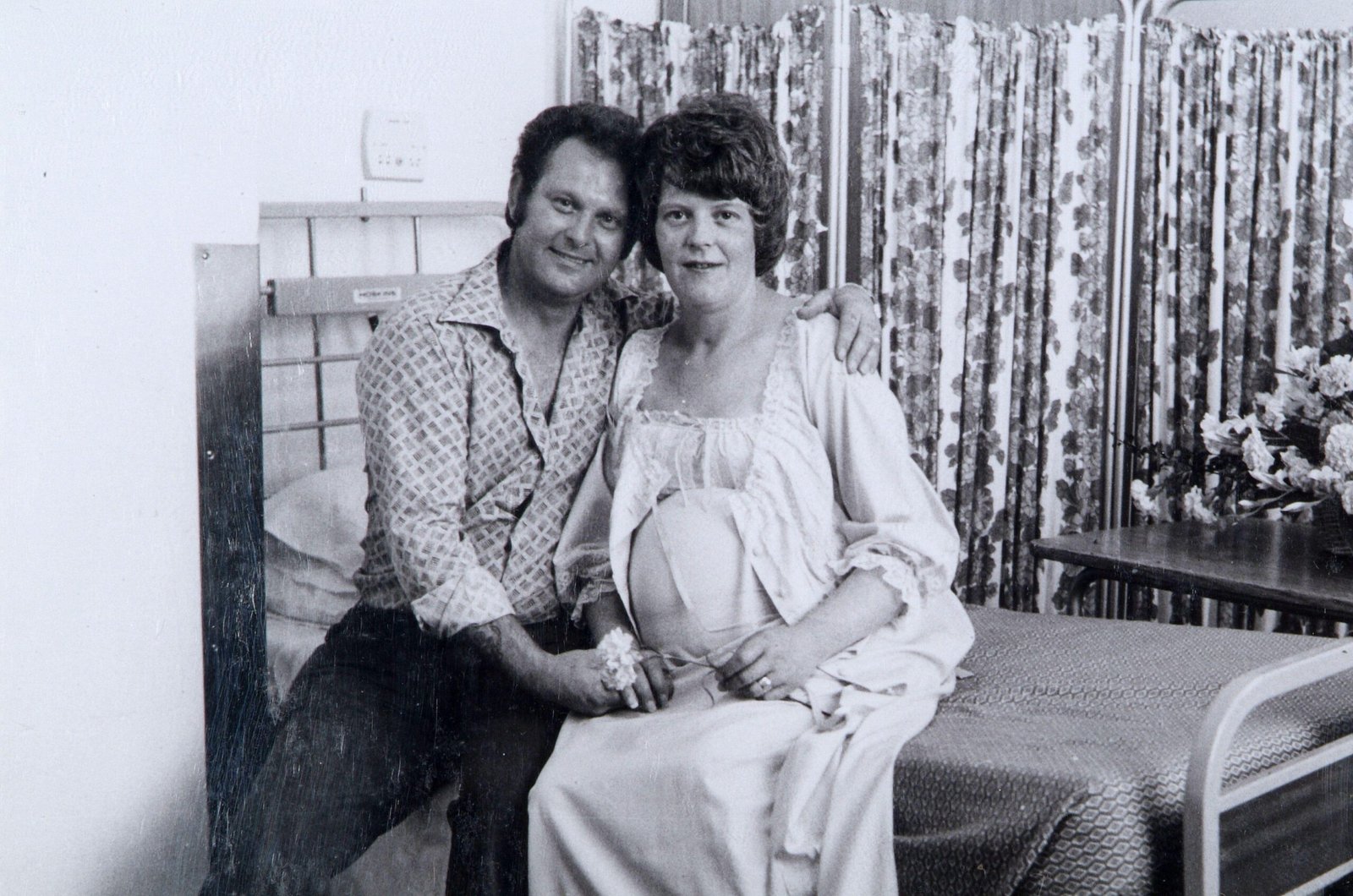
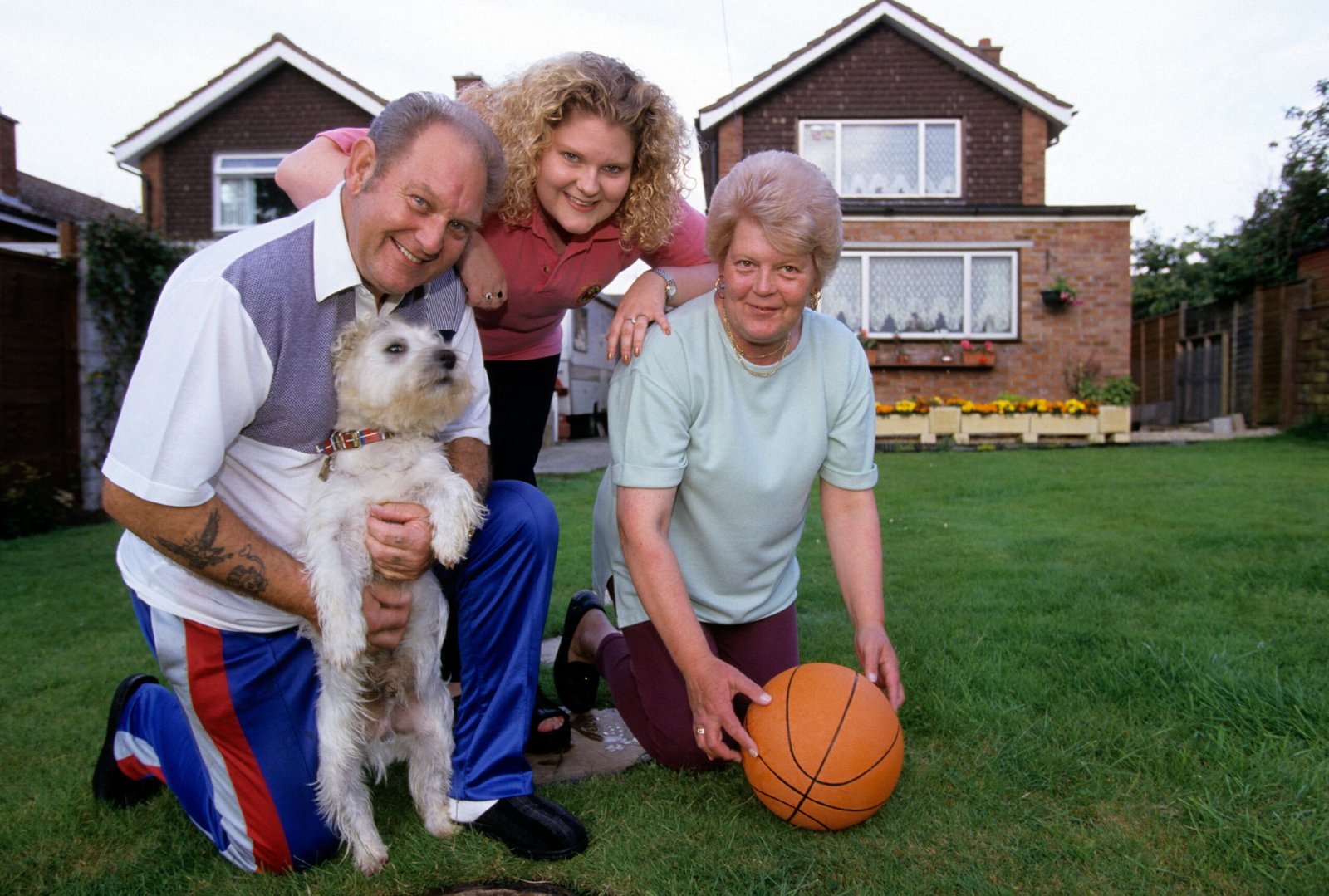
Louise Brown’s parents awaiting the birth of their daughter.
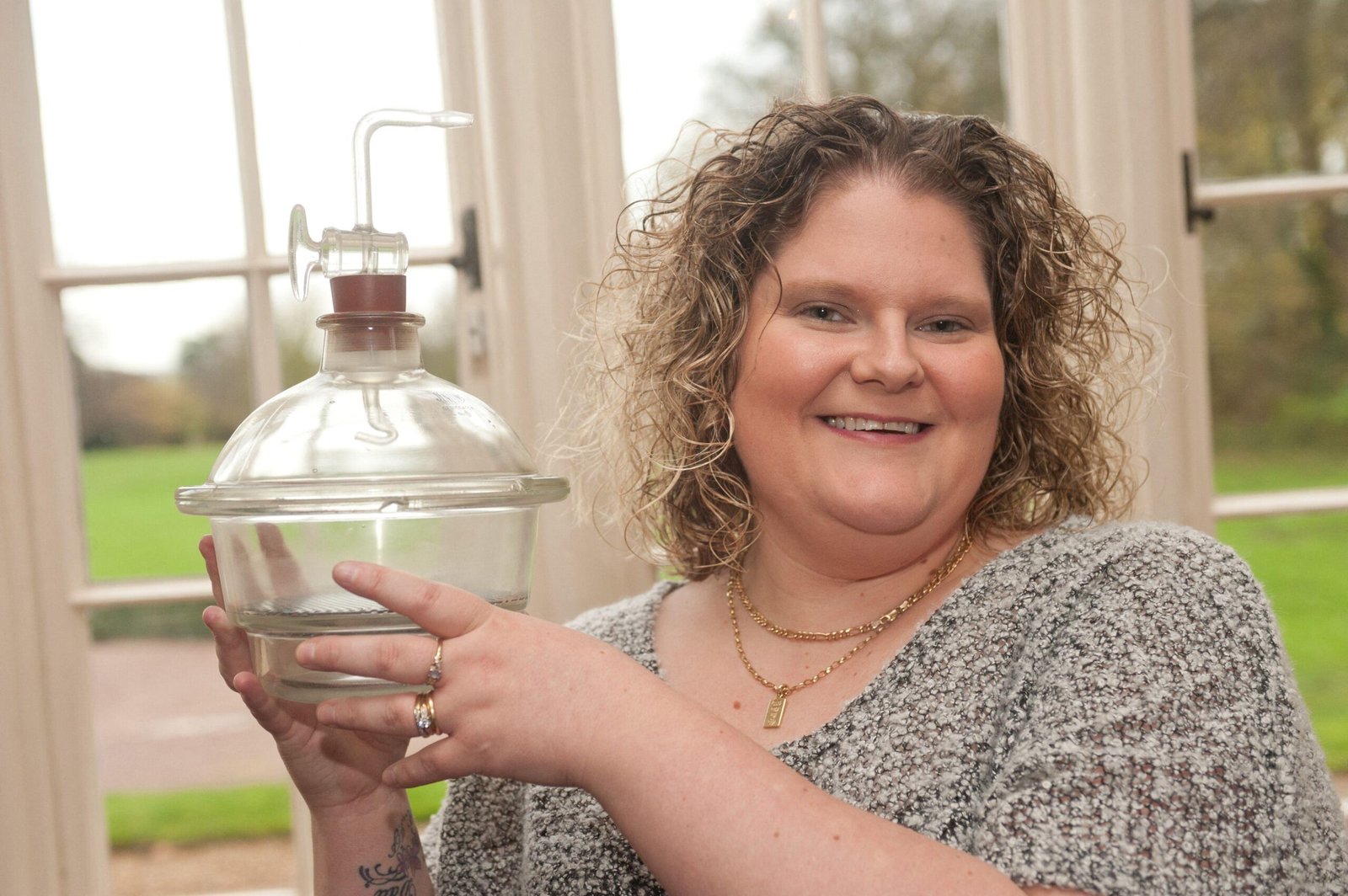
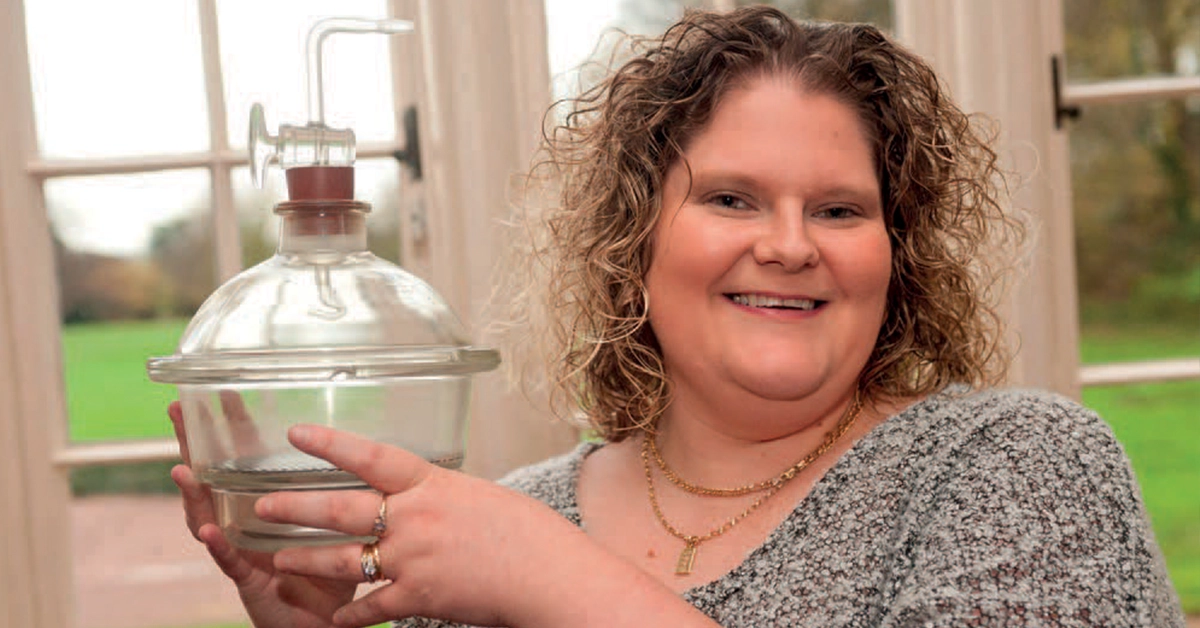
Louise Brown holding the container in which her fertilization took place.
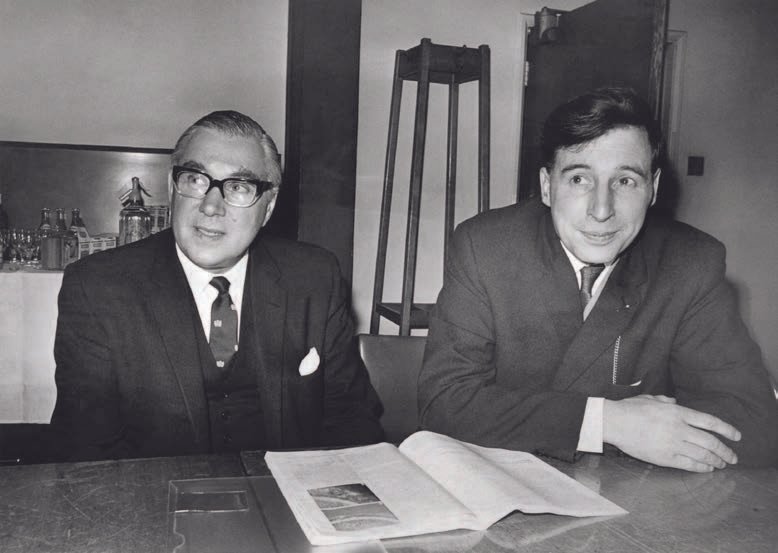
September 1969. Robert Edwards and Patrick Steptoe, who turned the idea of a “test-tube baby” into reality. Their work led to the birth of Louise Brown, the first baby conceived through IVF, in 1978.
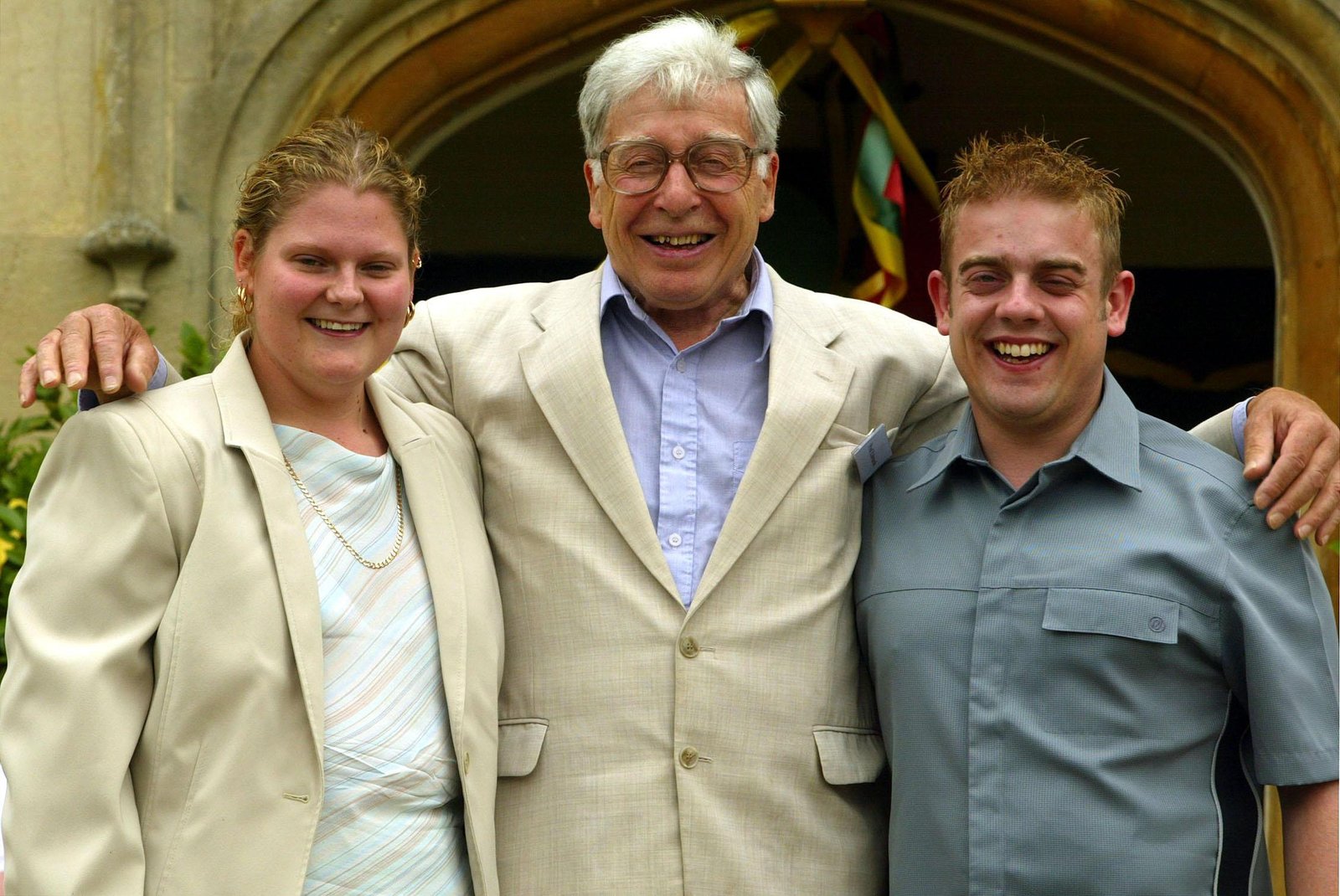
Louise Brown, Professor Bob Edwards, and Alastair MacDonald — the world’s second IVF baby and the first IVF boy, born through in vitro fertilization on January 14, 1979, in Scotland.
The year 1978 proved to be a turning point in the history of global medicine. After ten years of fruitless waiting, the birth of Lesley and John Brown's first child was not just a personal joy — it was a scientific triumph that reignited extinguished hopes for millions. Louise Brown is the first person on Earth to be brought into the world via in vitro fertilization (IVF).Almost half a century later, Louise lives a completely normal, quiet life. She works, is raising two sons, and, at the same time, carries a massive historical legacy. In our exclusive interview, she candidly recalls a childhood spent constantly in the spotlight, talks about the incredible leap in reproductive medicine, the emotional side of motherhood, and the questions that have followed her throughout her life.
What was your reaction when you first realized the historical significance of your birth?
I must have been around four years old. Before I started school, my parents sat me down and explained that I came into the world in a slightly different way than other children. They even showed me footage of my birth — it was a C-section, full of blood and mucus, quite an unpleasant sight. I also remember the constant media attention, although back then, journalists mostly talked to my mom and dad.In reality, I grasped the scale of what happened when I was a teenager. We were taking sex education in school, and I discovered that I was written about in the textbooks, which my friends found pretty amusing. At 14 or 15, the only thing that bothered me was thinking at night before bed that somewhere, maybe even in Australia, someone knew everything about me, while I knew nothing about them. However, today, at 47, I don't stress over that anymore; I just realize what a huge event I am a part of.
Did the fact that you were the first "test-tube baby" affect your time at school?
Not particularly. I grew up around the exact same kids the whole time. The only thing they would argue about was who got to tell the new kid my story; I was certainly never the one initiating it.The hardest, and at the same time most memorable, moment happened when I was four. My mom was taking me to school, and photographers ambushed us from both sides of the street. Panicking, she turned me right back around to the house. Then we asked a neighbor for help — I climbed over the fence and snuck off to school in someone else's car. Today, though, all of this just makes me smile and adds a bit of fun to the past.
What do you personally think about your unique place in medical history, and do you feel a special sense of responsibility?
I am incredibly proud. I'm proud of my mom, my dad, and the pioneers without whose efforts the 15 million people born the same way would be alive. Pioneer gynecologist Patrick Steptoe died when I was just 10, and pioneer embryologist Jean Purdy passed away even earlier, in 1985. I had the closest connection with the Nobel laureate physiologist Bob Edwards, who even attended my wedding. When I got pregnant with my first child, after my family, he was the first person I shared the joy with.Out of the people in that room, only I and Patrick Steptoe's assistant, John Webster, are still here today. My mom used to call him "Dracula" because he was constantly drawing her blood. As for the responsibility, I absolutely feel it. Even though I work full-time, I always dedicate 15 days of my annual leave to IVF events and conferences. Also, I am an ambassador for the International Federation of Fertility Societies (IFFS). I consider this my way of thanking the universe for the life I was given.
How do you evaluate the progress that has taken place in reproductive medicine since your birth?
It is simply miraculous. Looking back from today, my mom’s procedure seems quite simple. She didn't have fallopian tubes, so they transferred the egg directly. Back then, they didn't even know about the complications they can easily prevent now. I'm not a scientist, and I don't understand a lot of the medical terminology, but when I visit clinics and see the latest equipment — how they monitor the embryos — I am amazed. Have you seen the incubator I was created in? It looked like a regular glass jar.
In your opinion, what does the future of reproductive medicine look like?
It sounds a little scary, actually. They are already working on artificial wombs, genetics is developing at incredible speed, and there's even talk of babies conceived in space. I suppose society looked at IVF the same way 47 years ago. We have to trust the scientists and doctors to take us exactly where we need to be.
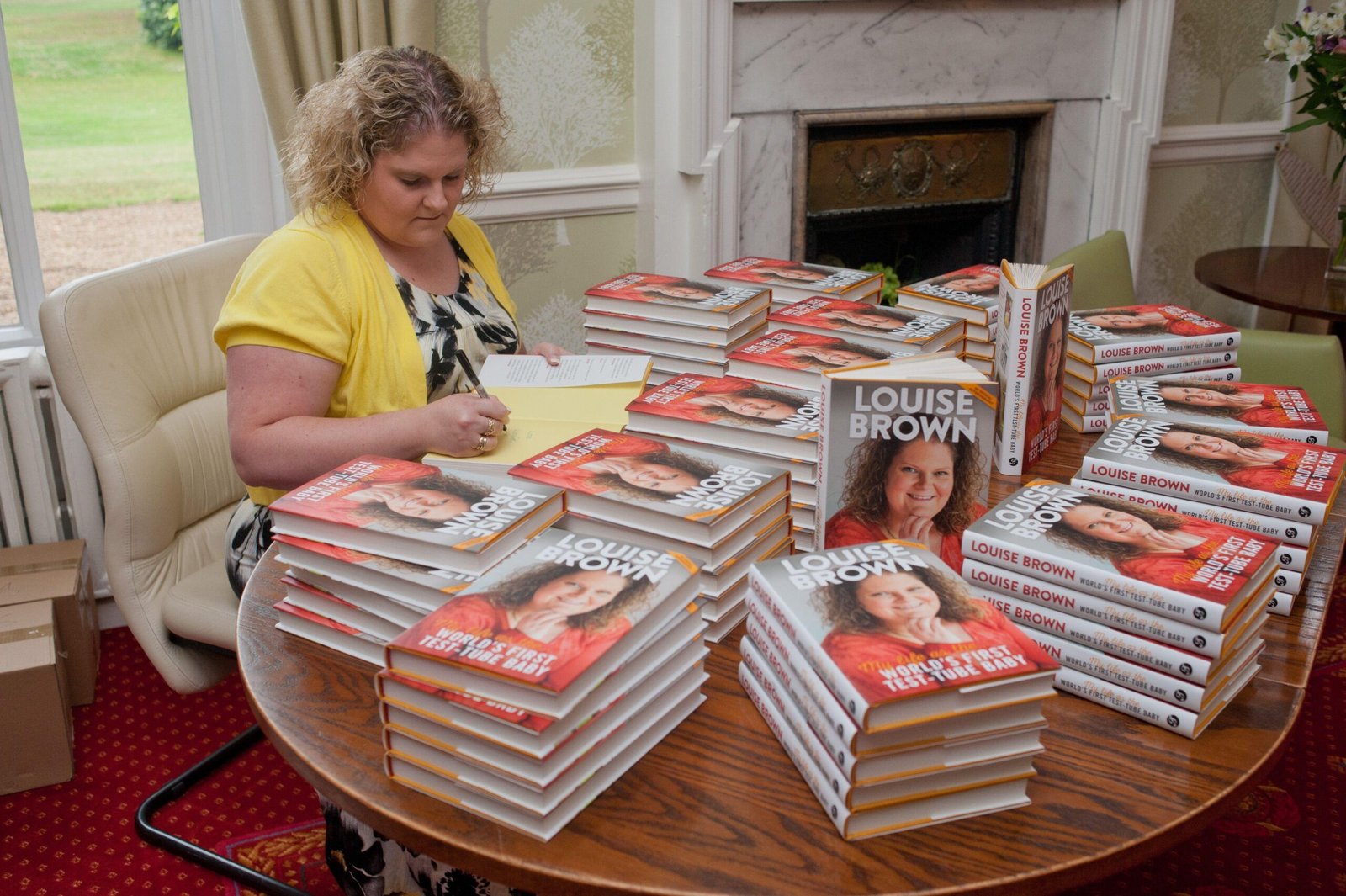
Louise Brown at the launch of her autobiography at Bourn Hall, July 2015.
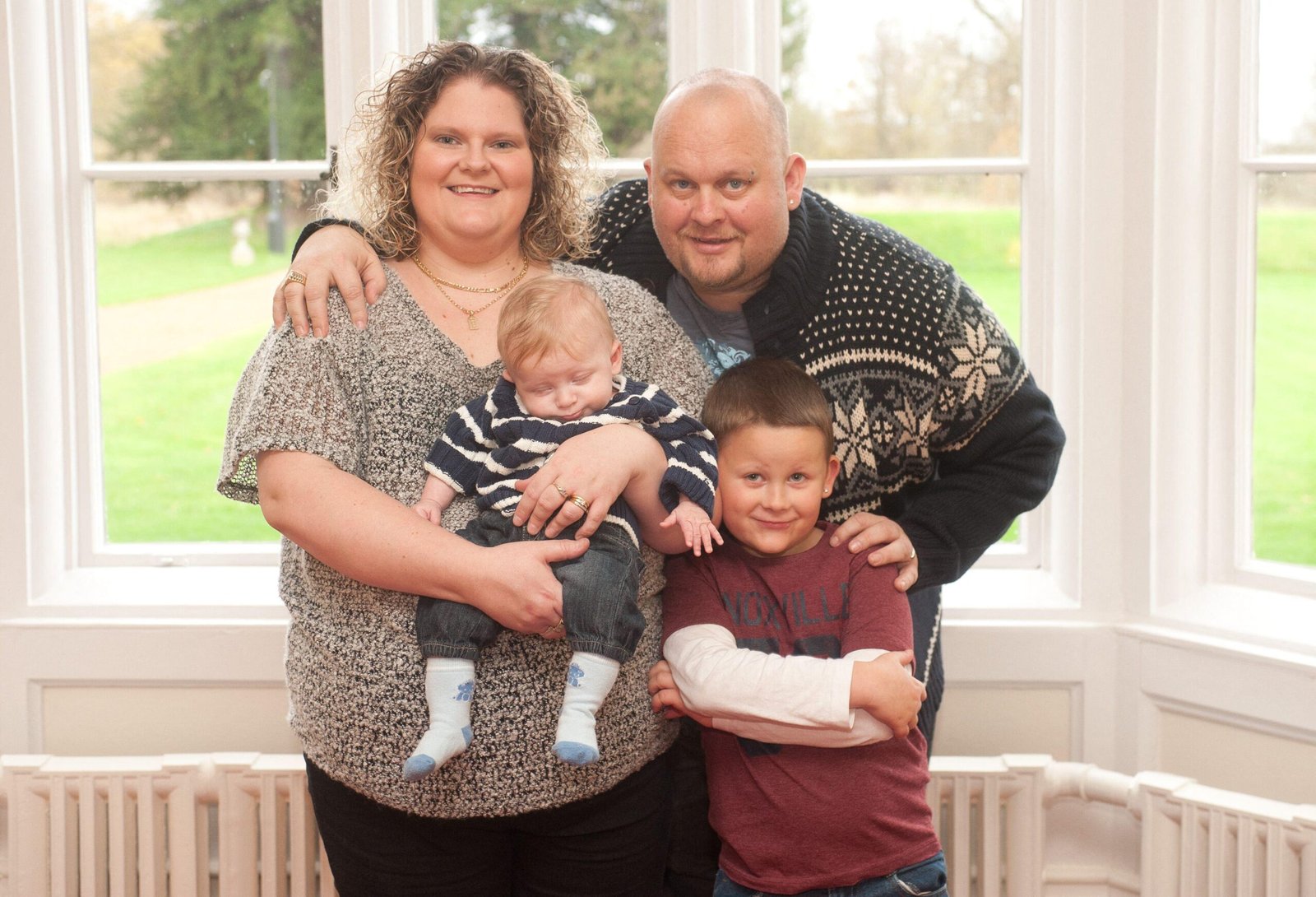
You were born as the result of a medical breakthrough, yet you live the life of an ordinary person. Where do these two identities intersect and clash?
I’ve never had any other kind of life. I learned a long time ago how to be the center of attention one minute, and go back to living a quiet life with my family the next. Sometimes people recognize me on the street, sometimes they don't. Doctors, of course, always recognize me, because they study my story from their student days. I have a very calm personality, and blending these two worlds isn't difficult for me at all.I certainly don't wake up in the morning thinking, "Wow, I'm the first test-tube baby." I wake up and think: "The kids need breakfast, they need to be sent off to school." I have a completely normal routine. I work from 8 AM. My boys — 19-year-old Cameron and 12-year-old Aiden — are already independent.
Have you ever felt that your story belongs more to the world than it does to you?
My mom always said she had me for the world. Four years later, when she wasn't planning on having another baby, Patrick Steptoe contacted her and asked when she was coming back to the clinic. She replied, "I already have a child; give someone else a chance." Patrick's response was: "That's not how this works." That's how my sister was born. Mom often repeated that I was born for the world, while my sister was born specifically for her.
IVF is often discussed using clinical terminology. In your opinion, what does medicine fail to understand about the emotional side behind all of this?
Clinical metrics and success rates are important, but ultimately, at the heart of all this is a person who simply wants to have a child. Often, the dry medical approach overshadows the incredible emotional burden and pain that patients go through.
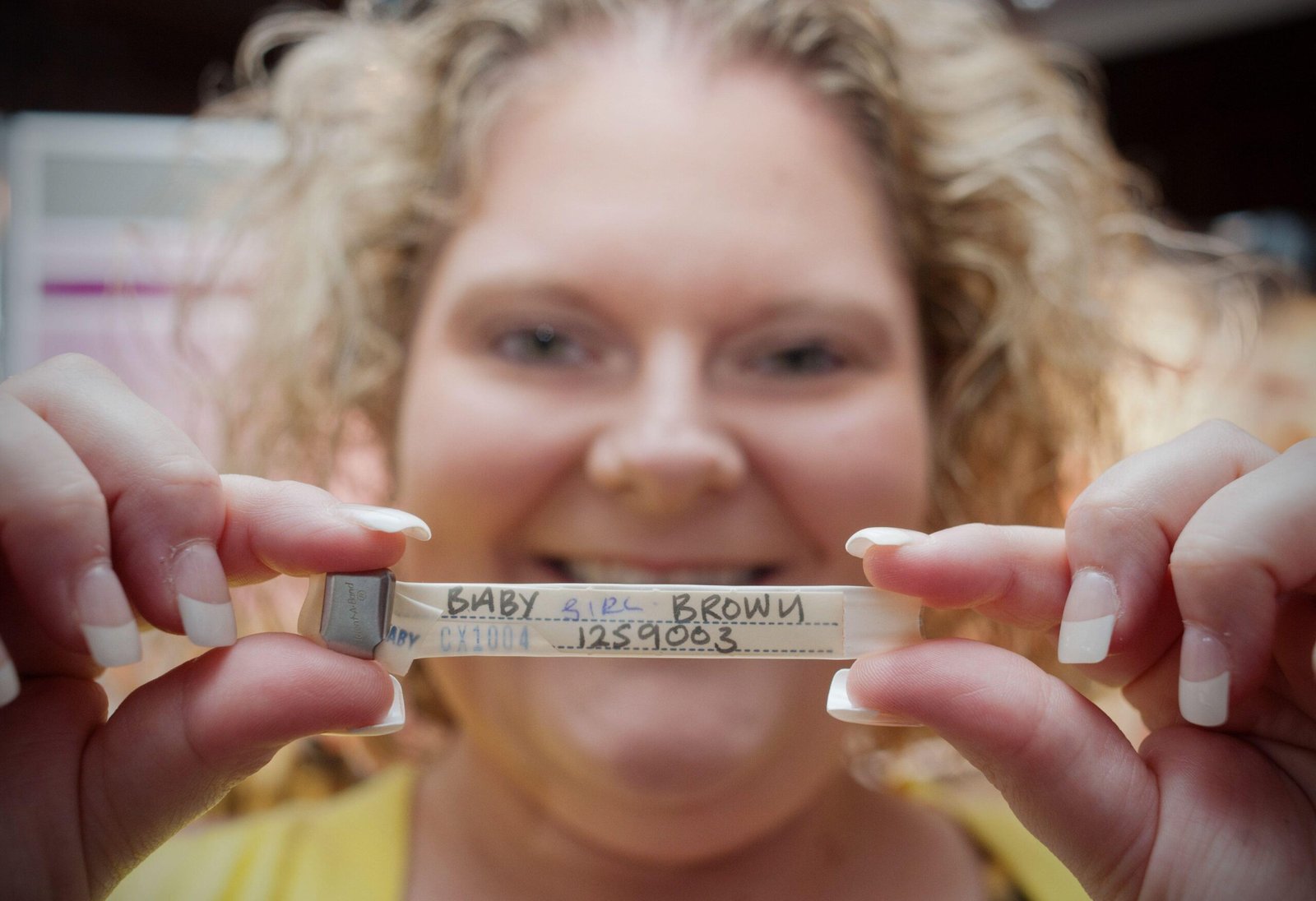
Louise Brown with the identification bracelet she wore on her wrist at birth.
Your birth changed the perception of what is "natural." Did your own view on this change after becoming a mother?
Both of my boys were conceived naturally. But if a person can't have a child without help, that's exactly what IVF is for. Bob Edwards and his team wanted exactly that — for the procedure to be accessible to anyone who needed it. Unfortunately, today it is quite an expensive luxury.Motherhood made me clearly see what my own mother went through. When you are told you can't do something, the goal becomes even more desirable. They tried unsuccessfully for 10 years. Then she got into the program, needed only one egg, one try, and she got pregnant. It was simply meant to be.
Do you ever talk to your children about your story?
Rarely. Nineteen-year-old Cameron is an adult and understands everything. He saw the movie Joy and the play The Child of Science — both of which were inspired by my story — and that helped him grasp the full picture. Twelve-year-old Aiden, on the other hand, is much more interested in video games. He knows where I'm going when I travel, but a 12-year-old boy really doesn't want to talk to his mom about reproduction. I myself had to talk to journalists about my father's sperm starting at age 12, so I understand him perfectly. If they ever get curious, they can always ask me, though they'd probably prefer to Google it.
When you were born, society wasn't ready for this innovation. Do you think science outpaced society's emotional readiness?
Absolutely. When I was born, my parents received terrible hate mail. Science always stays a step ahead of society, and then people have to process and accept it all. Even today, there are people who disagree with my birth. They have the right to their own opinion.
Is there a question you are tired of hearing, and what would you rather hear instead?
The most frequent question I get is: "When did you first learn about your birth?" However, the most absurd question I've ever been asked is as follows: "Do you remember your time in the test tube?" People asked me that a lot when I was a kid. My answer never changed: "I was never in a test tube; I was created in a petri dish!"Another time, on the cover of a book published in America, I had dark hair. An English journalist asked me with a straight face, "Why is your hair dark here? Were you trying to disguise yourself?" I explained that no, I just hadn't gotten my highlights done. We laugh a lot about things like that; I don't really take offense to anything.
And finally, what would you say to couples battling infertility, and to the children born through IVF?
To the children born via IVF, I would say you are completely normal — just like your best friend. The only thing you know for certain is that you were very, very much wanted. When you grow up and understand the difficult path your parents took to have you, you'll realize how special you are.And to those currently undergoing treatment, I wish you the greatest success. Don't give up. Find a doctor and a team you trust. Conduct extensive research to maintain your inner peace. Keep fighting, don't lose faith, and hopefully, everything will work out. My mom would tell you the exact same thing if she were here right now.
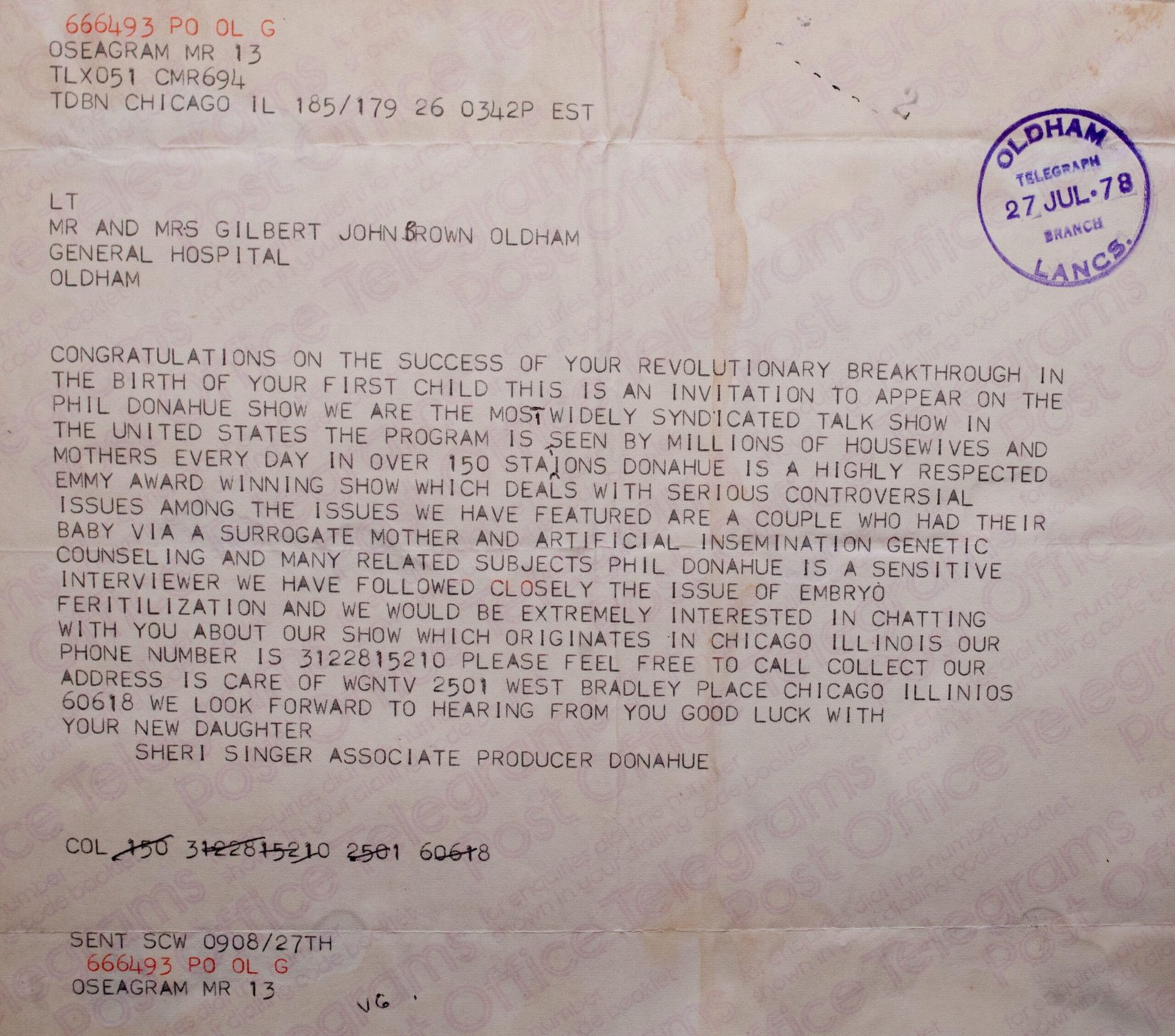
Invitation letter addressed to Louise Brown’s parents to participate in the American talk show Phil Donahue.