

The "For You" Foundation Presents
A Photographic Journey - Life Before Birth
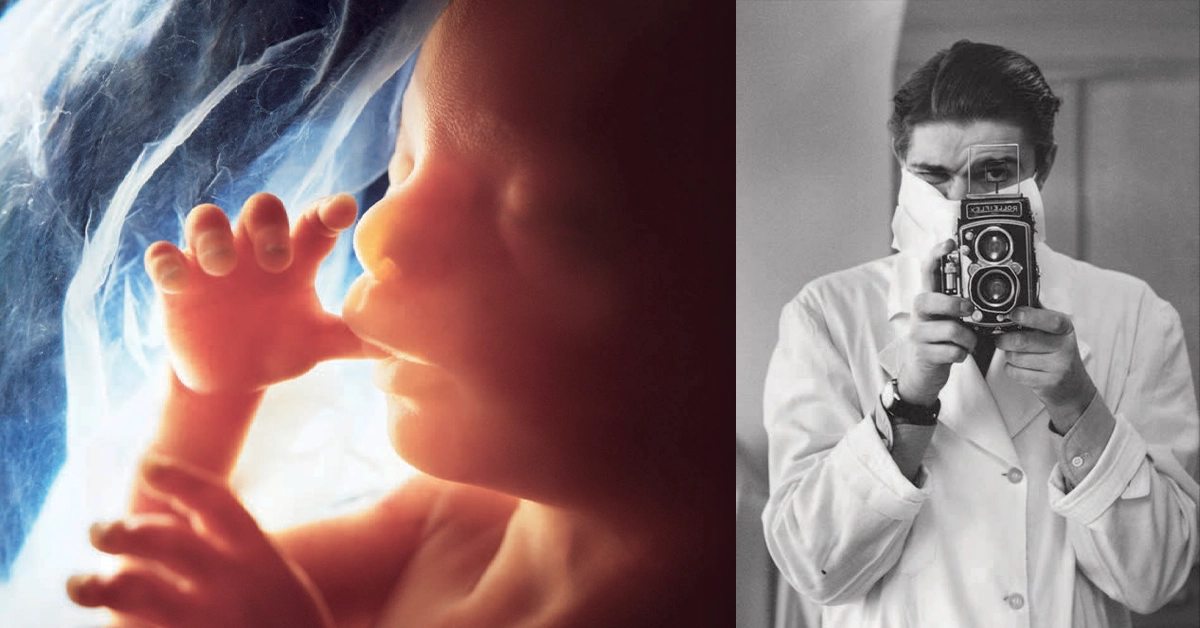
On April 30, 1965, when the new issue of the American magazine Life hit newsstands, the world seemed to stop for a second. This edition not only set a sales record in media history, selling eight million copies in just a few days, but it also opened a new and entirely different window into human consciousness. The cover featured an 18-week-old fetus floating in its own transparent, yet still unformed world. This was not merely medical photography; it was an unprecedented, intimate, and transcendental view of a process that, until then, humanity could only imagine on the pages of scientific treatises.
The lens of Swedish photographer Lennart Nilsson achieved what was previously considered impossible — it lifted the veil on the mystery of human birth and showed us that this greatest creation of nature, every stage of life's conception and development, truly possesses an undeniable and inexplicable magical power that leaves any viewer breathless.
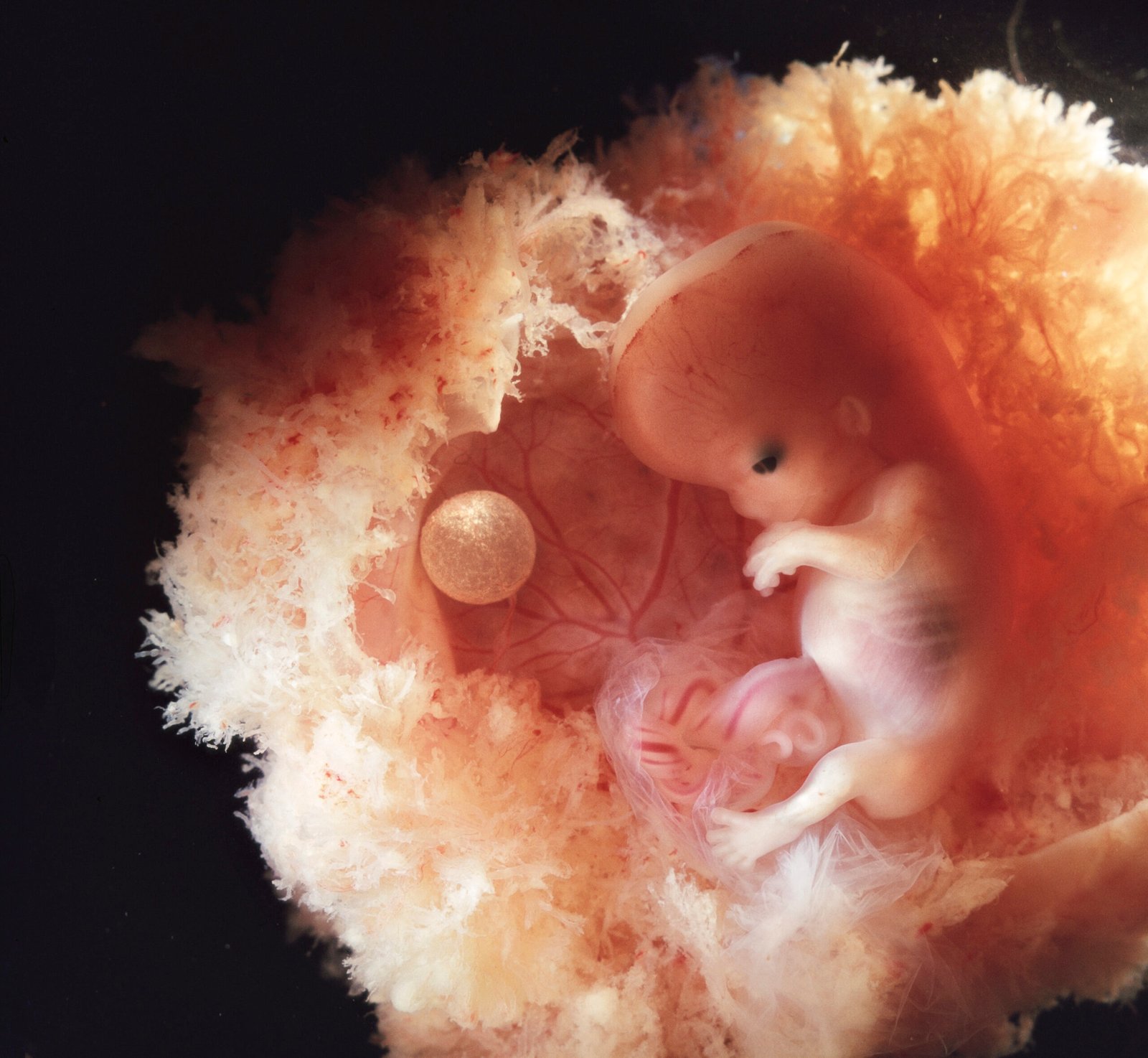
Foetus and placenta
The 1960s were an era of global discovery for humanity. The Cold War was underway, space exploration was taking off, and humanity's gaze was fixed on the stars. Telescopes were used to explore the universe's macrocosm. Yet, simultaneously, in a laboratory in Stockholm, one tireless man was looking in the exact opposite direction. Lennart Nilsson was exploring the microcosm — the inner world of the human being. He believed that the greatest uncharted universe was hidden not in distant galaxies, but within us, in our very origins. His goal was to document the microscopic odyssey that each of us undergoes before taking our first breath in this world.
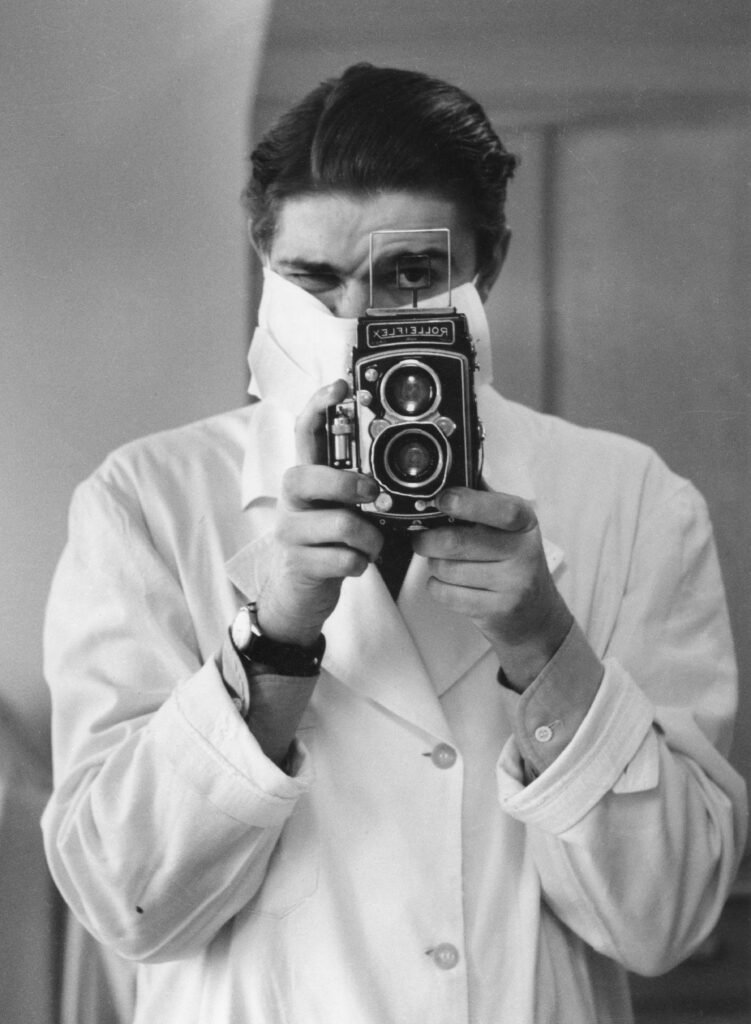
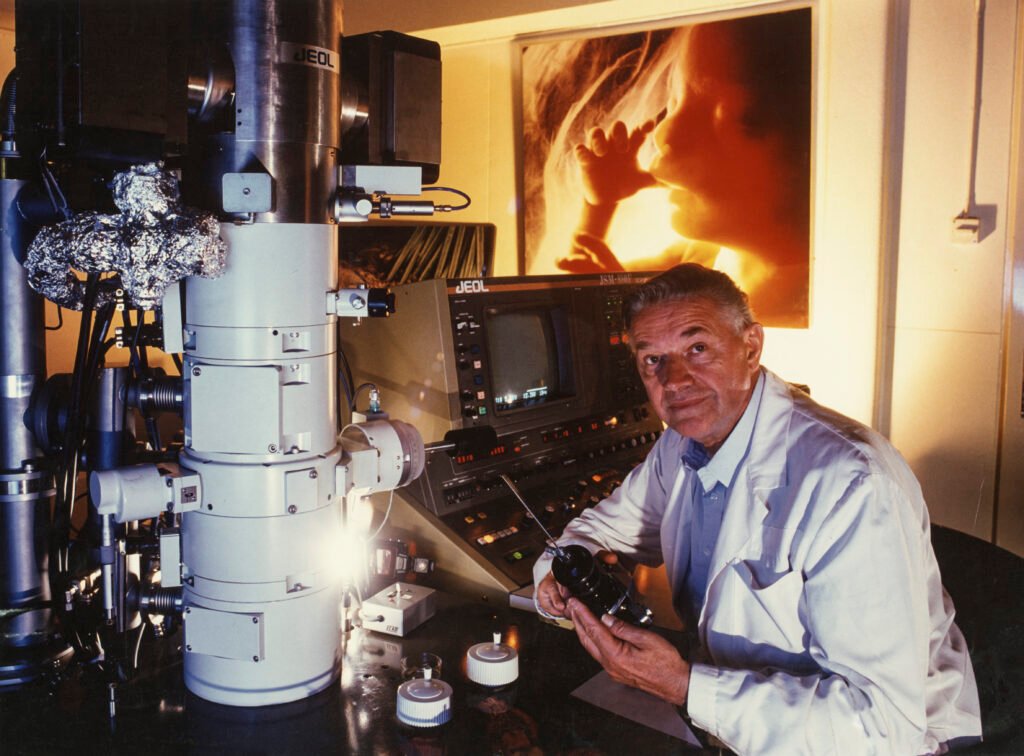
Lennart Nilsson was no ordinary photojournalist. Born in Sweden in 1922, he exhibited an insatiable interest in the smallest details of nature from childhood. The first microscope his father gifted him became the guiding compass of his life. Later, he connected a microscope to a camera and began capturing a world invisible to the naked eye. His early work included close-ups of insects and microscopic images of pollen grains, but his life's magnum opus still lay ahead.
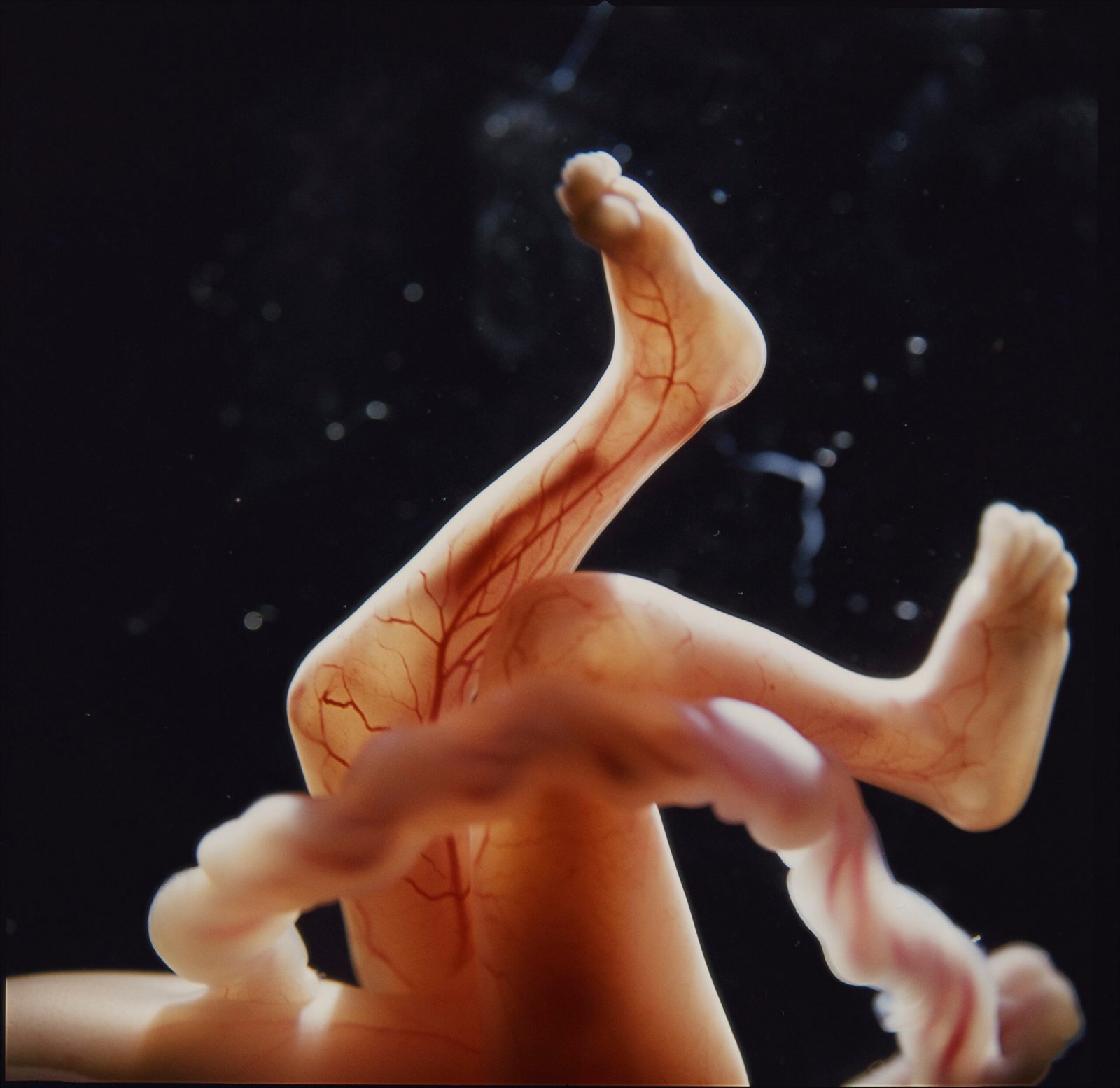
Fetal legs, 16 weeks
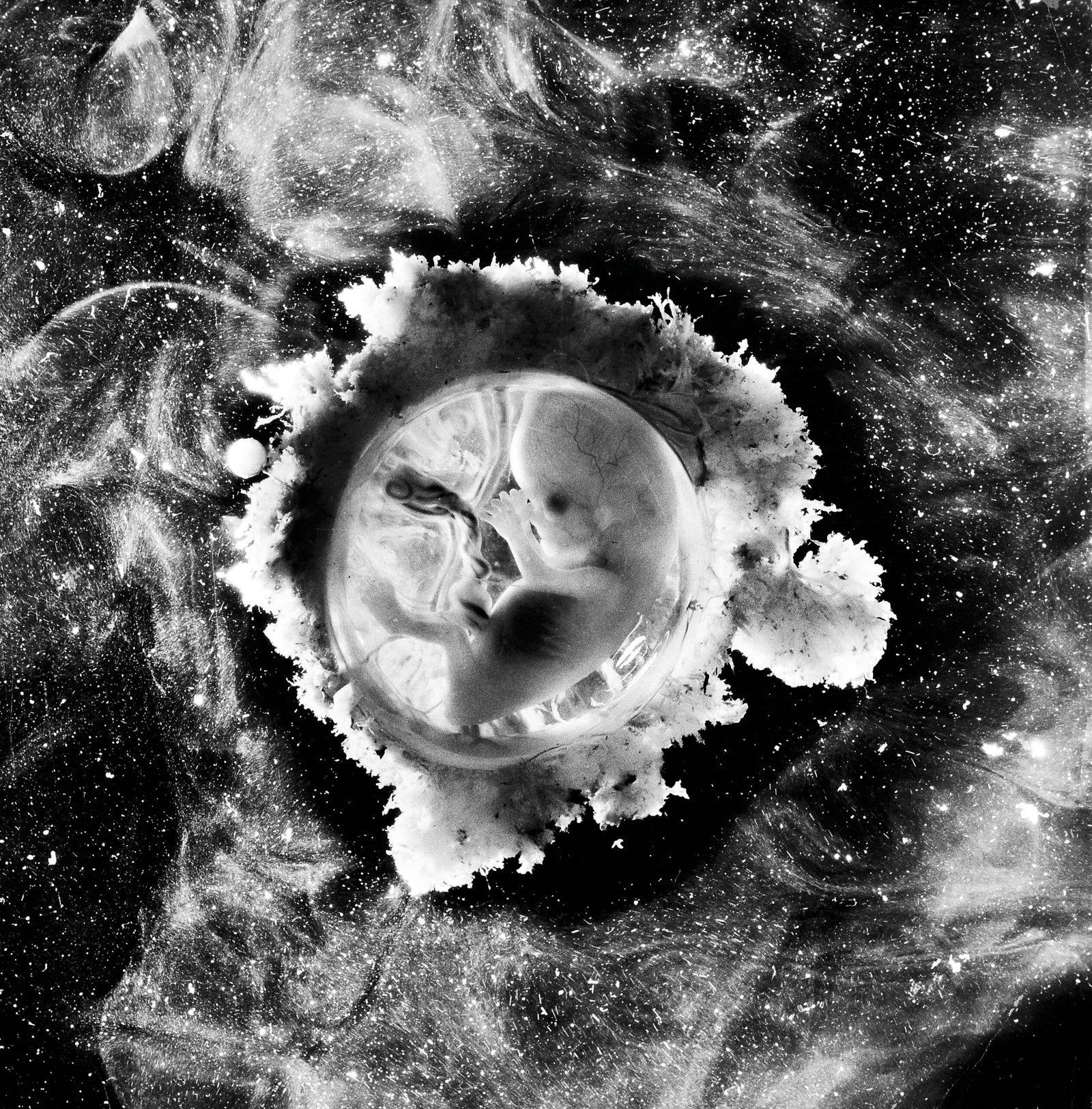
Foetus in amniotic sac, 11 weeks
The photo essay published in Life magazine, titled Drama of Life Before Birth, was the culmination of twelve years of incredible labor, experimentation, frustration, and technological innovation. From a technical standpoint, Nilsson's task seemed nearly impossible. He had to take photographs in a space untouched by light, where the environment is extremely sensitive, and where even the slightest interference was out of the question. To achieve this, the photographer had to become an engineer himself.
Nilsson began collaborating with German endoscope manufacturers to create special, ultra-thin macro lenses and optical tubes equipped with miniature flashlights at their tips. Using this equipment, he worked alongside leading surgeons and gynecologists at Stockholm hospitals. Although the general public perceived these images as a continuous live reportage of an ongoing pregnancy, the reality was much more complex and somber, albeit scientifically invaluable. The vast majority of the embryos and fetuses depicted in the photographs (with the exception of a few very early stages captured via endoscope directly within the uterus) were obtained from ectopic pregnancies or pregnancies terminated for medical reasons.
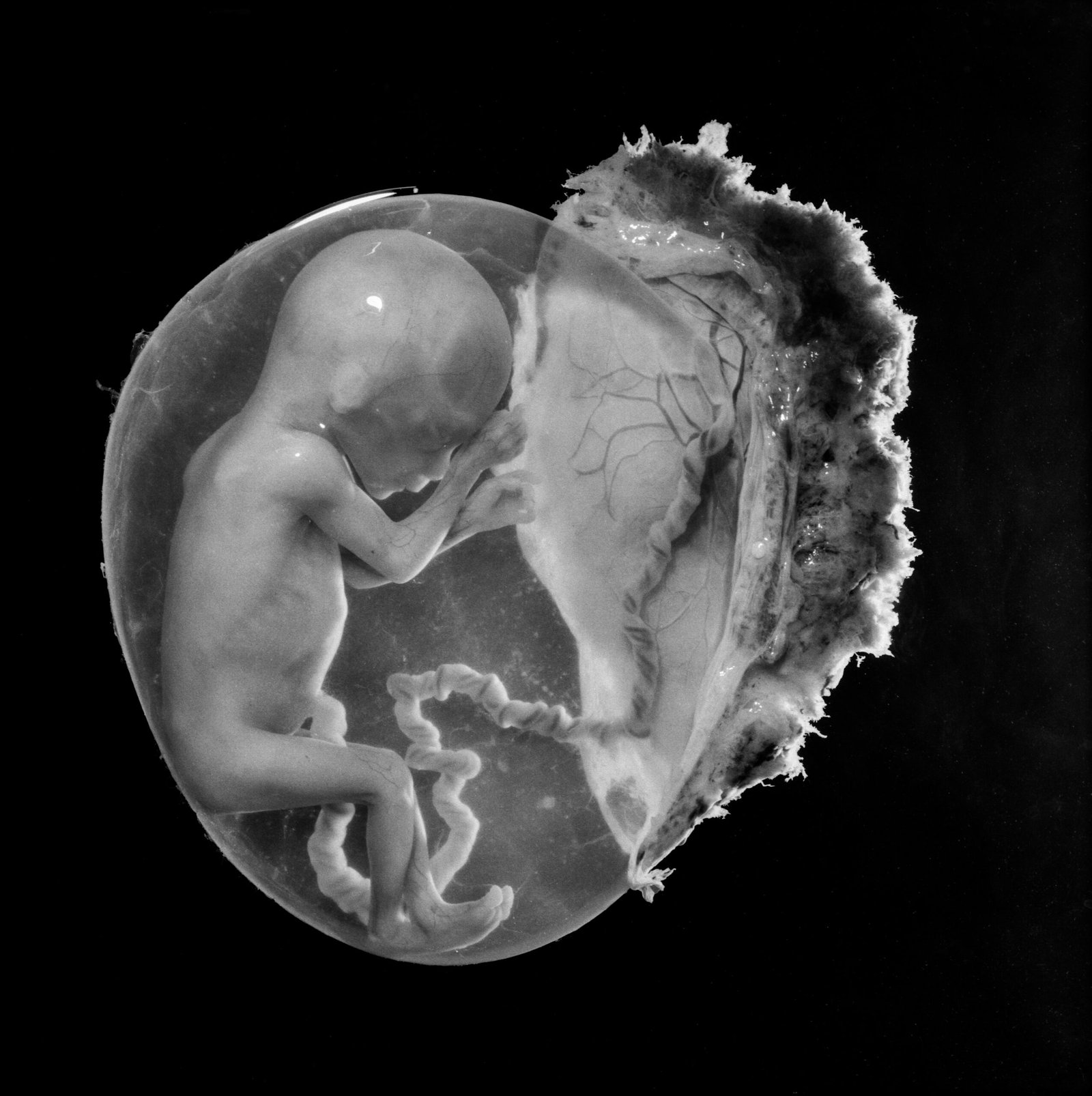
16-week fetus
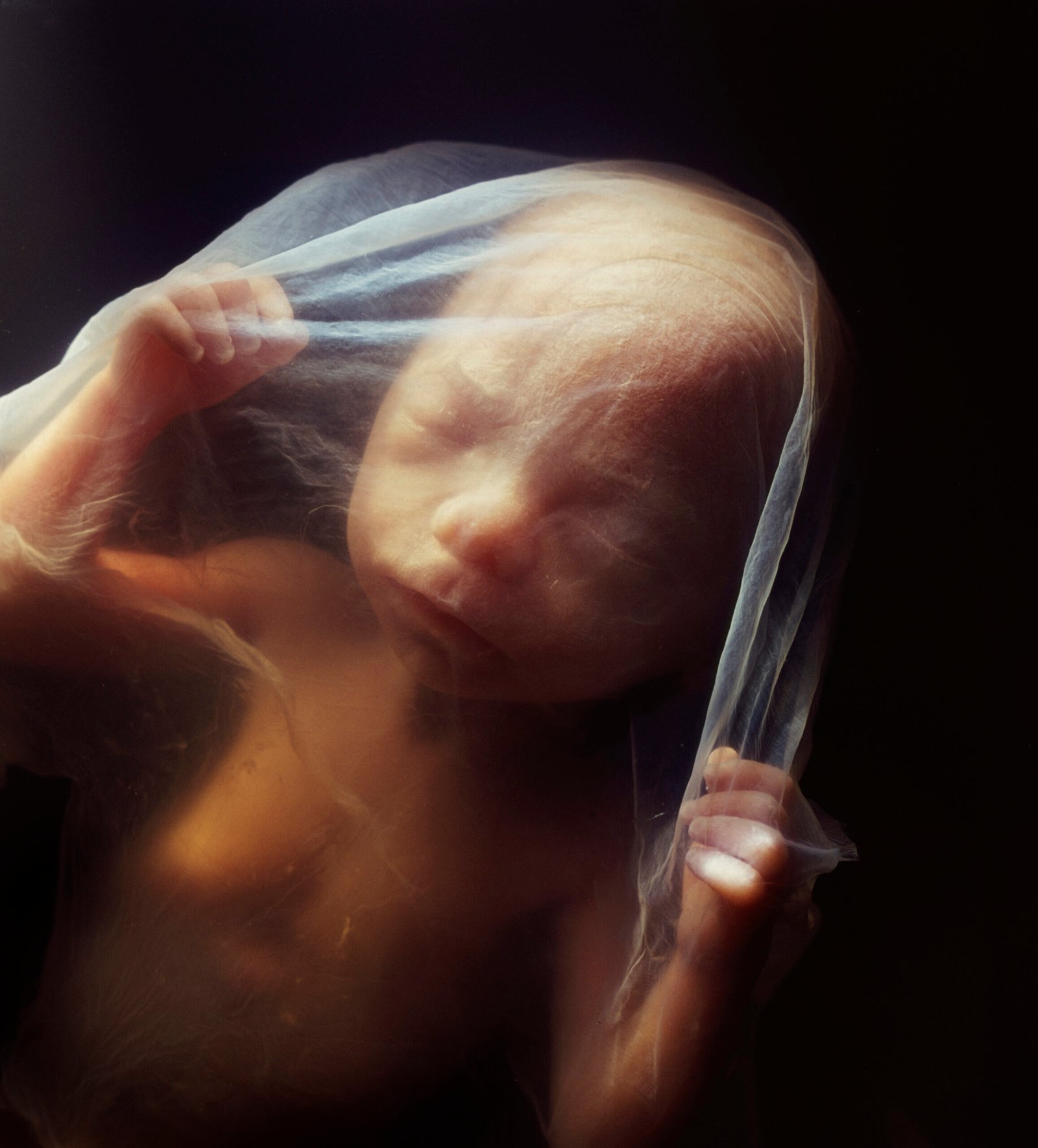
Foetus in amniotic sac, 18 weeks
Nilsson placed these lifeless forms in a special fluid to restore their natural state, and through precise lighting, he gave them back the pristine, vibrant appearance they would have had in the womb. It was the ultimate synthesis of scientific accuracy and artistic empathy.When people saw these images for the first time, the emotional reaction exceeded all expectations. The article began with the eternal race of spermatozoa toward the egg — a microscopic struggle for existence portrayed on a scale as epic as any cosmic event. Then came the mystical process of fertilized cell division, the formation of the first neural tube, the tiny, pulsating dot of a heart, and finally — the fetus resting in its own world. Particularly striking were the shots where the fetus already exhibited human features: closed eyes, tiny fingers, and in some cases, a thumb brought to its mouth.
These photographs shattered the myths and abstract notions about human development that had persisted for centuries. Previously, pregnancy had been perceived as a mysterious, closed process within a woman's body, the outcome of which only became visible at the moment of birth. Nilsson opened this "black box." He showed us that human formation is not an instantaneous act, but a continuous, incredibly complex, and harmonious choreography in which billions of cells play their unique roles. This visual narrative radically changed the attitude toward life for both the medical community and ordinary people. For mothers and fathers who had previously relied solely on a doctor's dry explanations or a heartbeat heard through a stethoscope, Nilsson's photos became a bridge between them and their unborn child. They saw what they had previously only felt.
The material published in Life magazine was soon turned into a book titled A Child is Born (Ett barn blir till). Upon its release in 1965, the book became a global bestseller and was translated into dozens of languages. For decades, it remained the most widely read and influential publication for pregnant women and expectant parents. It was not merely a medical guide, but a photographic poem celebrating the origins of human existence. The light caught by Nilsson's lens, falling upon the transparent skin of the fetus to reveal its internal structure, resembled Renaissance canvases where light and shadow create the absolute ideal of form.
The significance of Lennart Nilsson's work extends beyond the boundaries of both photography and medicine. His works became a philosophical message about our identity. When we observe these microscopic landscapes, we see not just a biological process, but a cosmic order. It is no surprise that when NASA launched the Voyager 1 and Voyager 2 spacecraft in 1977 — carrying the Golden Record with information about Earth for extraterrestrial civilizations or future humans — Lennart Nilsson's photographs were selected, alongside other crucial data, to demonstrate how a human is born. His images are now traveling through interstellar space as the most moving and authentic portrait of our species.
From today's perspective, when 3D and 4D ultrasounds have become routine procedures and computer graphics can model absolutely anything, it may be difficult to fully grasp the shock and awe experienced by society in 1965. However, Nilsson's original photographs have not lost their power. There is something profoundly human in them that no modern digital render can ever replace. It is authenticity — the pure and unedited truth of who we are in the first, most vulnerable moments of our existence.
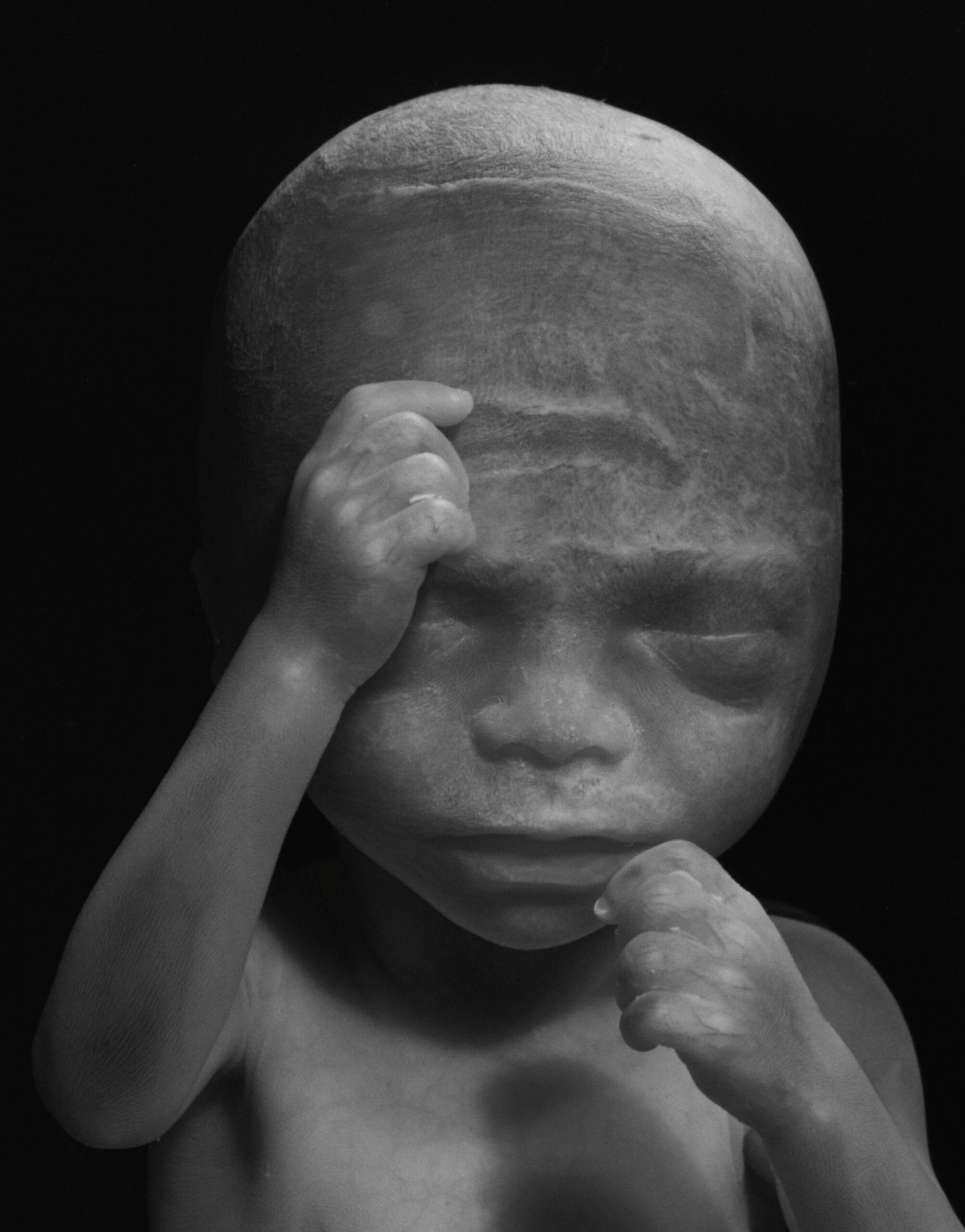
24-week fetus

20-week fetus
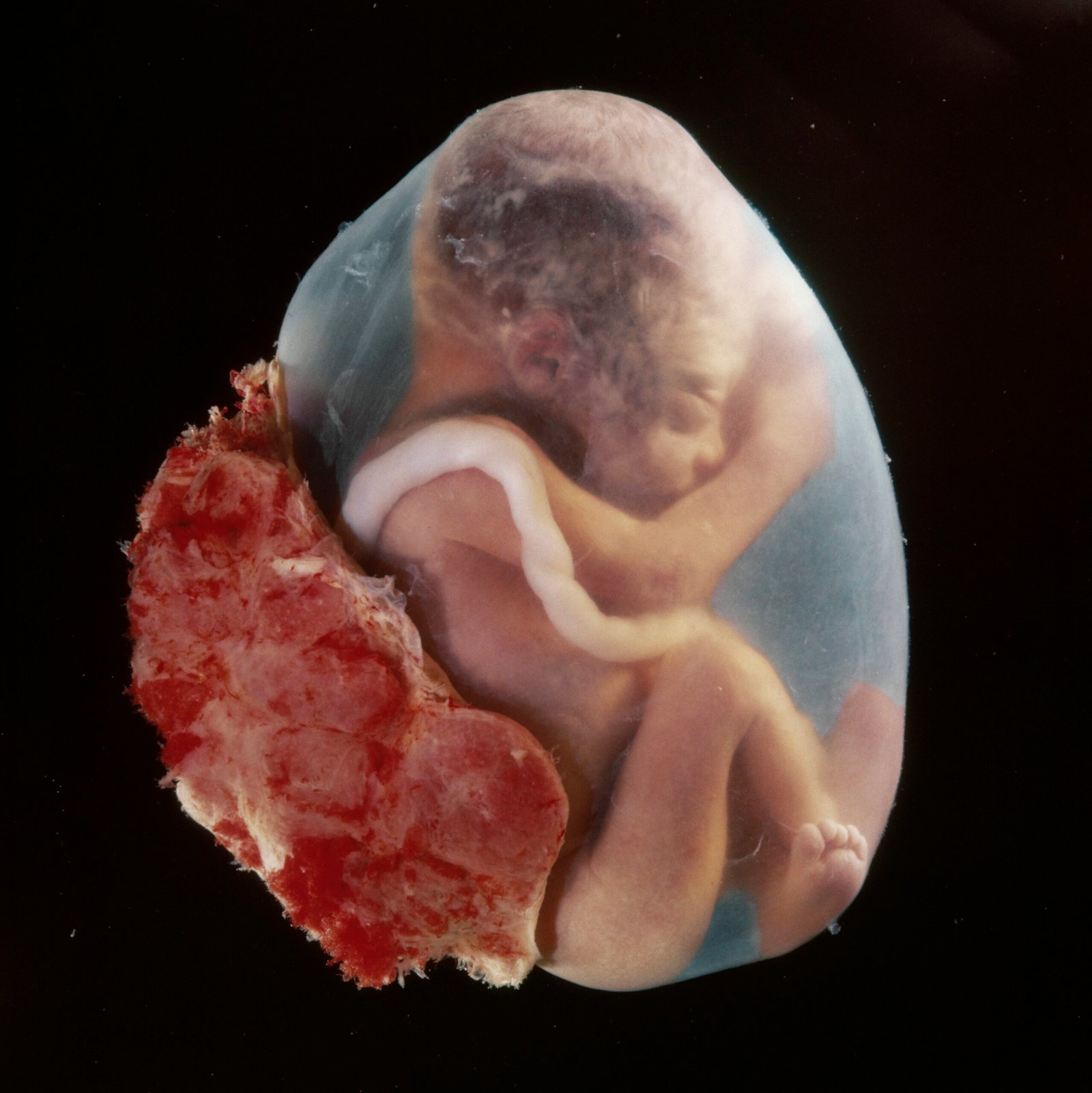
32-week fetus
All images are licensed.LENNART NILSSON, TT/SCIENCE PHOTO LIBRARY
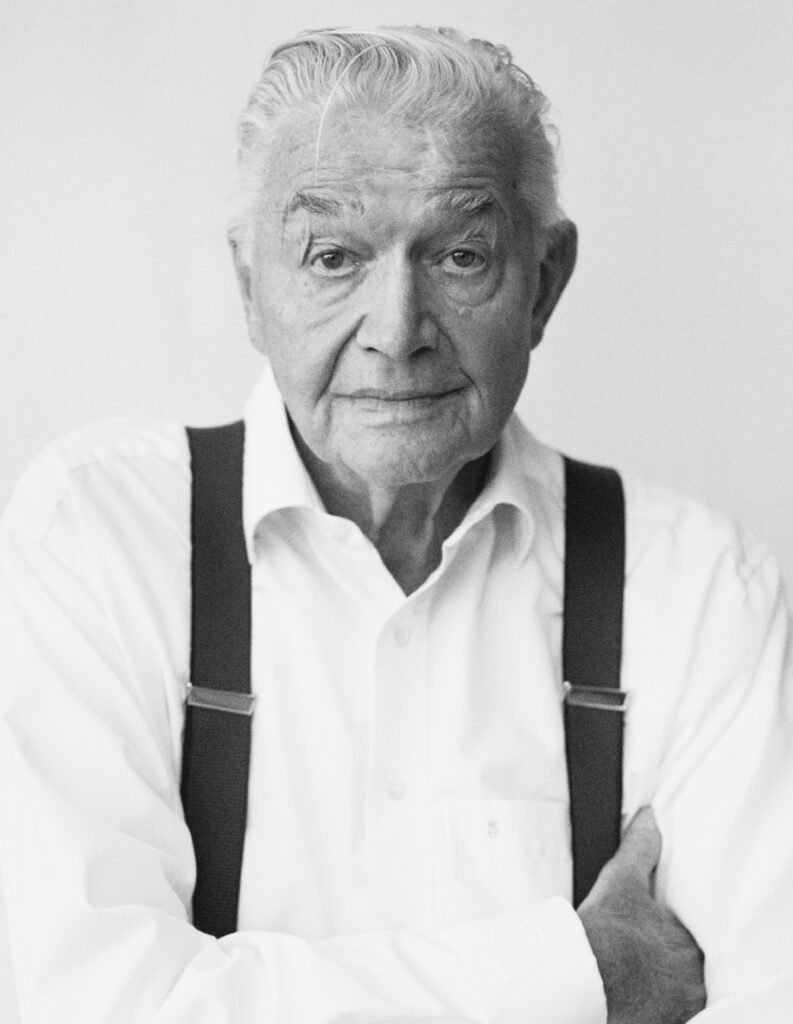
Lennart Nilsson (1922-2017), Swedish photographer and photojournalist. Nilsson began his career as a photojournalist, publishing a number of photo essays in the 1940s that brought him international attention. In the 1950s he started working with macrophotography and endoscopy to take photographs of the human body. He is best known for his pioneering images of embryos and foetuses. He was the first person to use an endoscope to take a photograph of a living embryo inside the womb. Photographed in 2016.