

THE SPOILED MAMA
Interviewed by Irina Kalandadze
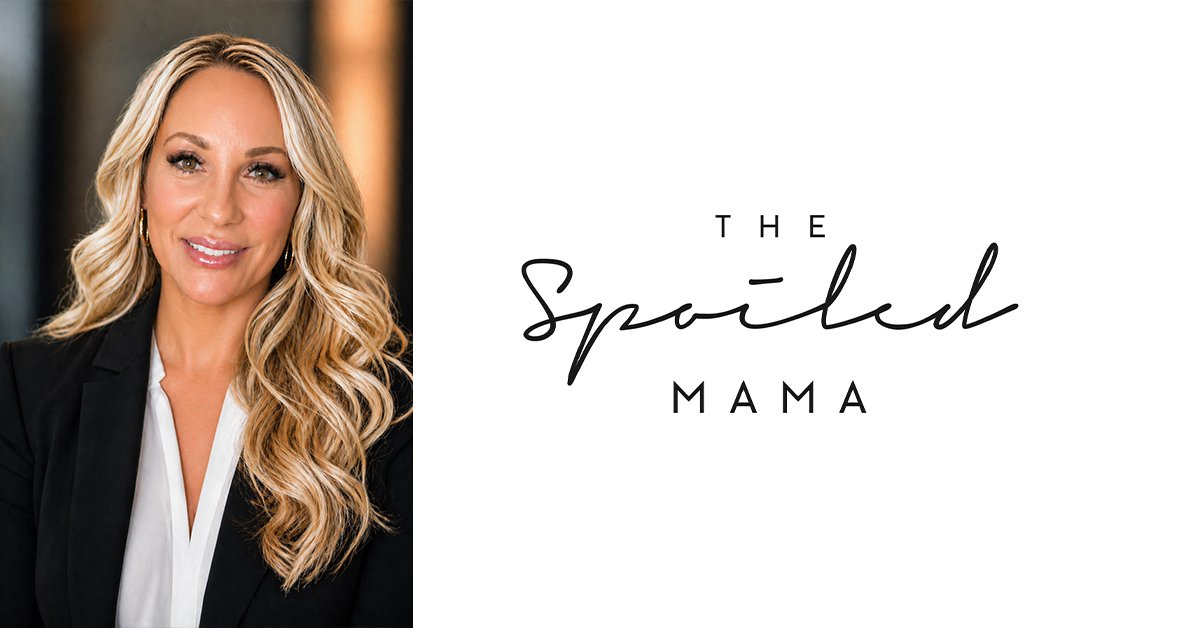
The Spoiled Mama is a brand that transformed motherhood not merely into a responsibility, but into a form of self-love. It is the story of a woman who reminded the world that mothers need more than care alone – they deserve to be deeply nurtured and indulged as well. Tamara Johnson’s story speaks to the kind of strength that is born when a woman turns her own struggle into inspiration for others.
The brand’s philosophy is simple yet powerful: motherhood should not mean compromising self-care or one’s sense of self. On the contrary, it can become a time when caring for oneself becomes more intentional, mindful, and profound.
Today, The Spoiled Mama has become synonymous for many with a trusted and thoughtful approach to skincare during pregnancy and the postpartum period. Yet at the heart of the brand lies a question familiar to countless expectant mothers: What is truly safe for me and my baby? It was in the search for the answer to this very question that Tamara Johnson first began shaping the brand.
What was the original motivation behind launching The Spoiled Mama, and how did the concept first take shape?
I was pregnant, standing in the aisle, flipping bottles over to read the ingredients and realizing I couldn’t confidently stand behind half of what I was reading. That was the moment. I wasn’t trying to launch a brand; I was trying to solve my own problem. I went home and started formulating products in my kitchen because I needed something that was both genuinely safe and effective. That combination mattered to me deeply. Pregnancy already demands so much of your body, and your skincare shouldn’t add to the uncertainty.
Can you describe the early stages of building the company and the key challenges you encountered?
It was scrappy, for sure. There’s no prettier way to say it. I was working, raising children, and building this business simultaneously. The early days were filled with trial, error, and rapidly learning what not to do. The biggest challenge wasn’t money or resources; it was time. When you’re managing a newborn, a career, and a growing business, something is always competing for your attention. You learn quickly to be efficient and ruthlessly clear about what actually moves the needle.
How do you approach balancing creative vision with operational demands?
I don’t romanticize it. Some days are creative, some days are purely operational, and most days are both, whether you’re ready for it or not. What I’ve learned is that vision without a business that can support it is just an idea. So I protect dedicated time for product development and brand direction, but I stay equally close to the numbers and day-to-day operations. It’s less about balance and more about knowing when to shift gears and doing it quickly.
What feedback from customers has most influenced your perspective on the brand?
The messages that say, “I finally found something that works.” Not “it smells nice” or “the packaging is beautiful.” When a Mama tells me she feels more confident in her skin during pregnancy or postpartum, that’s everything. It reinforces what we’re here to do: not to be trendy, but to be effective and trustworthy.
What are your priorities for The Spoiled Mama over the next five years?
Refinement over expansion for the sake of it. I want to go deeper into what we do best and continue earning trust. That means better formulations, smarter routines, and a stronger relationship with our customers. Growth absolutely matters, but not at the expense of what made people trust us in the first place.
Are there any new product categories or expansions you are currently exploring?
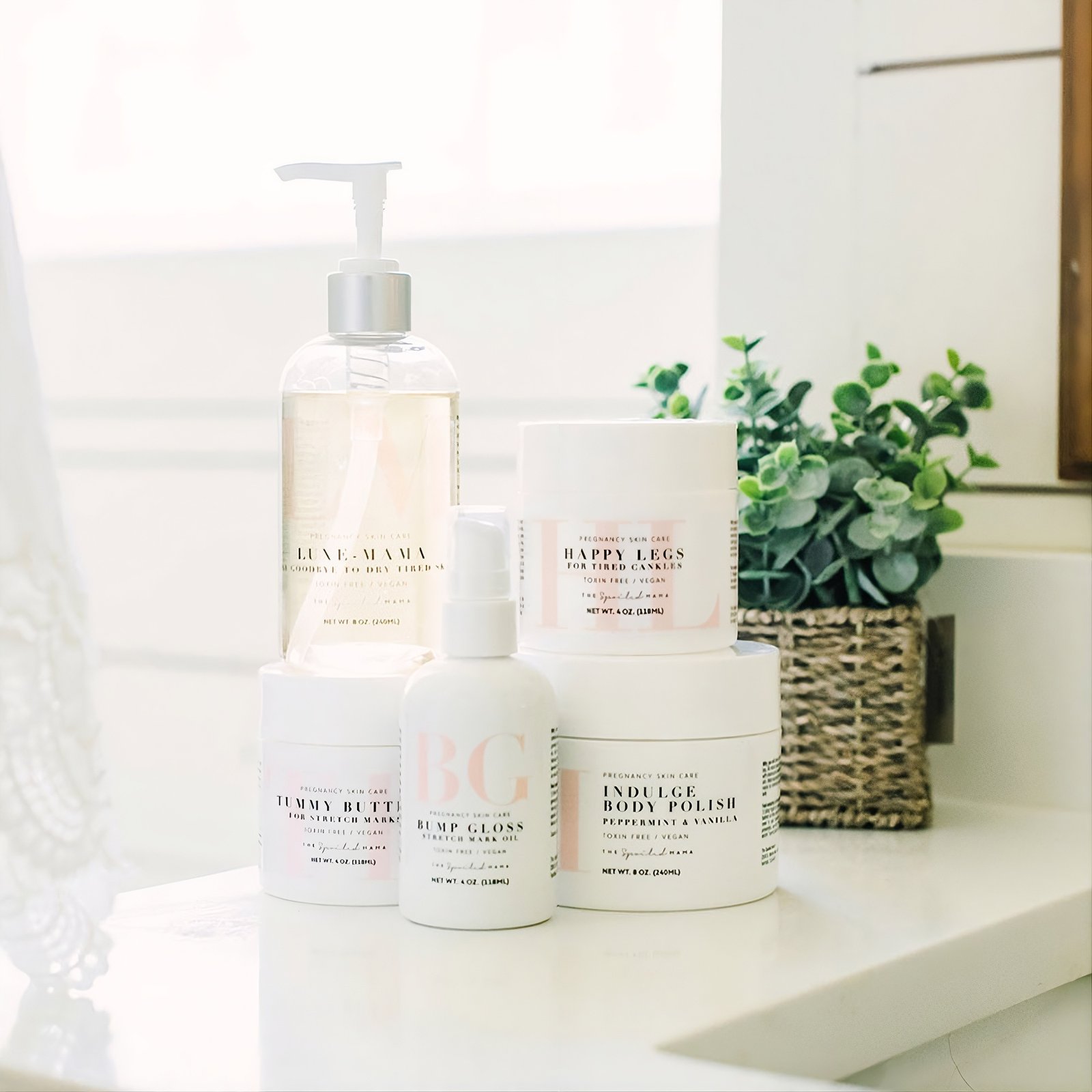
Yes, but very intentionally. We look at where moms are still genuinely underserved, not where the market is already saturated. If we enter a new category, it’s because we have real confidence that we can do it better or differently. We recently launched a hair serum and a cellulite gel, both born directly from customer feedback and demand. That’s always the right reason to expand. Our next step is taking that same safety-first, results-driven philosophy and applying it to a baby line. Our customers’ trust is not something I’m willing to dilute, and every new product has to earn its place.
When did you feel the most proud of what The Spoiled Mama has become?
I also have to say: none of this happens without the people around me. My team is small but mighty, and I genuinely mean that. They show up every day with the same care and commitment that started this brand, and I don’t take that for granted for a single second. And our customers, the Mamas who have trusted us, come back to us, and tell their friends about us; they are the heartbeat of this brand. We wouldn’t be here without them, and I want them to know that we feel that every day.
What’s something about your journey that still feels very personal or emotional for you?
The fact that it started in such a real, unfiltered place. It wasn’t a strategy; it was a necessity. That never fully goes away. Even now, I feel deeply protective of this brand because of where it came from and what it represents. And honestly, one of the things that still catches me off guard is when I meet someone out in the world and they already know The Spoiled Mama. That still makes me smile every single time. It’s a reminder that this brand has touched people in ways that go far beyond a product on a shelf.
Was there a specific moment in your life that made you realize this brand needed to exist?
Absolutely. It was that moment of standing in a store, pregnant, and realizing I couldn’t confidently use what was already available. The disconnect between safety and performance shouldn’t exist, but it did. That gap is what pushed everything forward.
What was the hardest part of your journey as a founder that people don’t usually see?
The constant decision-making. It’s not the big, visible moments; it’s the daily pressure of making the right call, over and over again, often with incomplete information. And doing all of that while still showing up fully as a parent. That weight doesn’t get talked about enough.
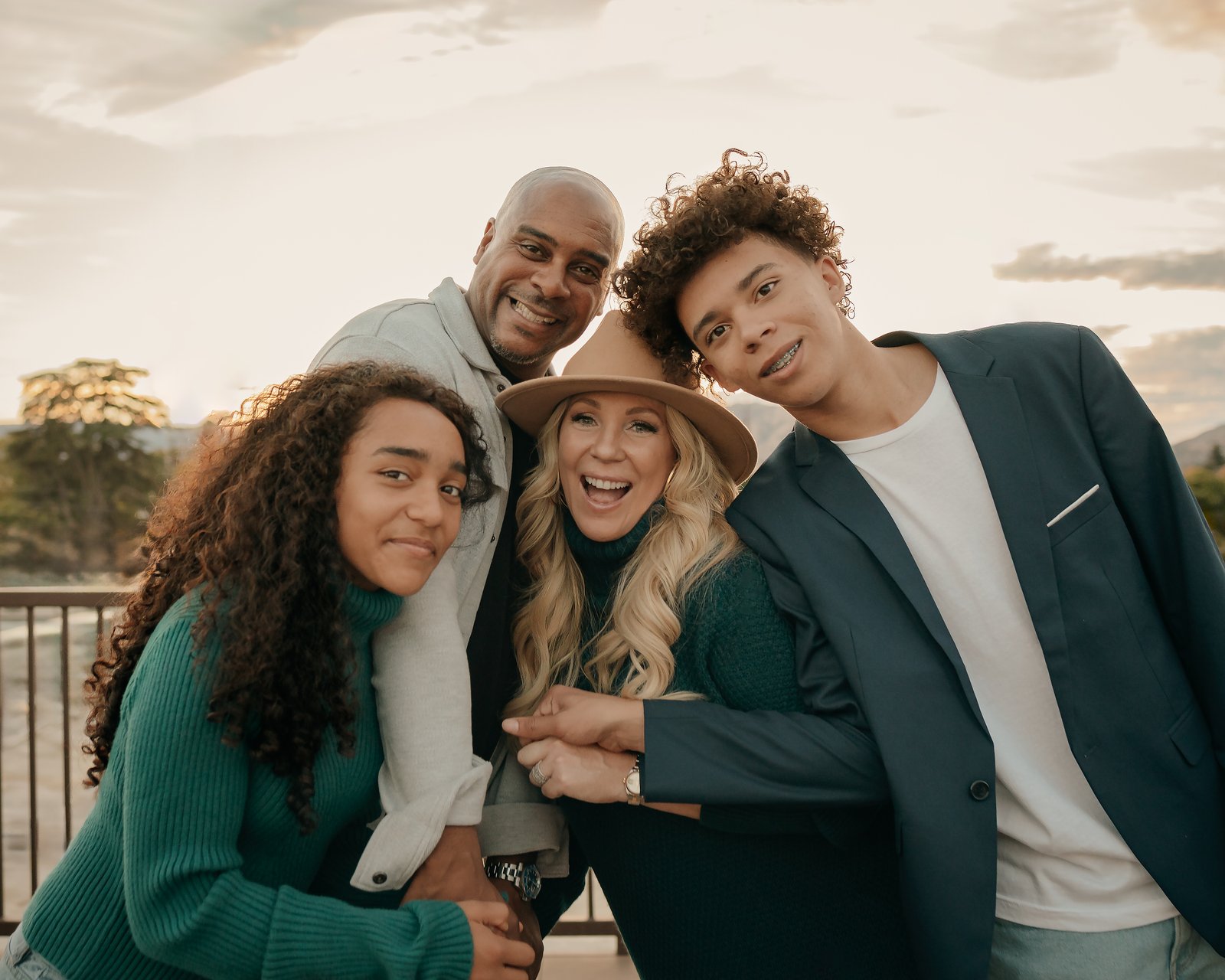
The reality of work-life balance as a founder is that the lines blur constantly. There are long nights before product launches, tradeshow prep that takes over your living room, and a to-do list that never fully goes away. But what I’m most grateful for is that my family has been in it with me every step of the way. My kids have tested products, given me honest feedback on designs, and passed out samples at tradeshows. My husband has been my biggest supporter from the very beginning, and that hasn’t changed. There’s something really special about building a brand and having your family genuinely be a part of it, not just watching from the sidelines. It’s not always glamorous, and it’s rarely balanced, but it’s ours, and that means everything.
What was the very first product you created and which product do you feel has become the most successful for the brand today?
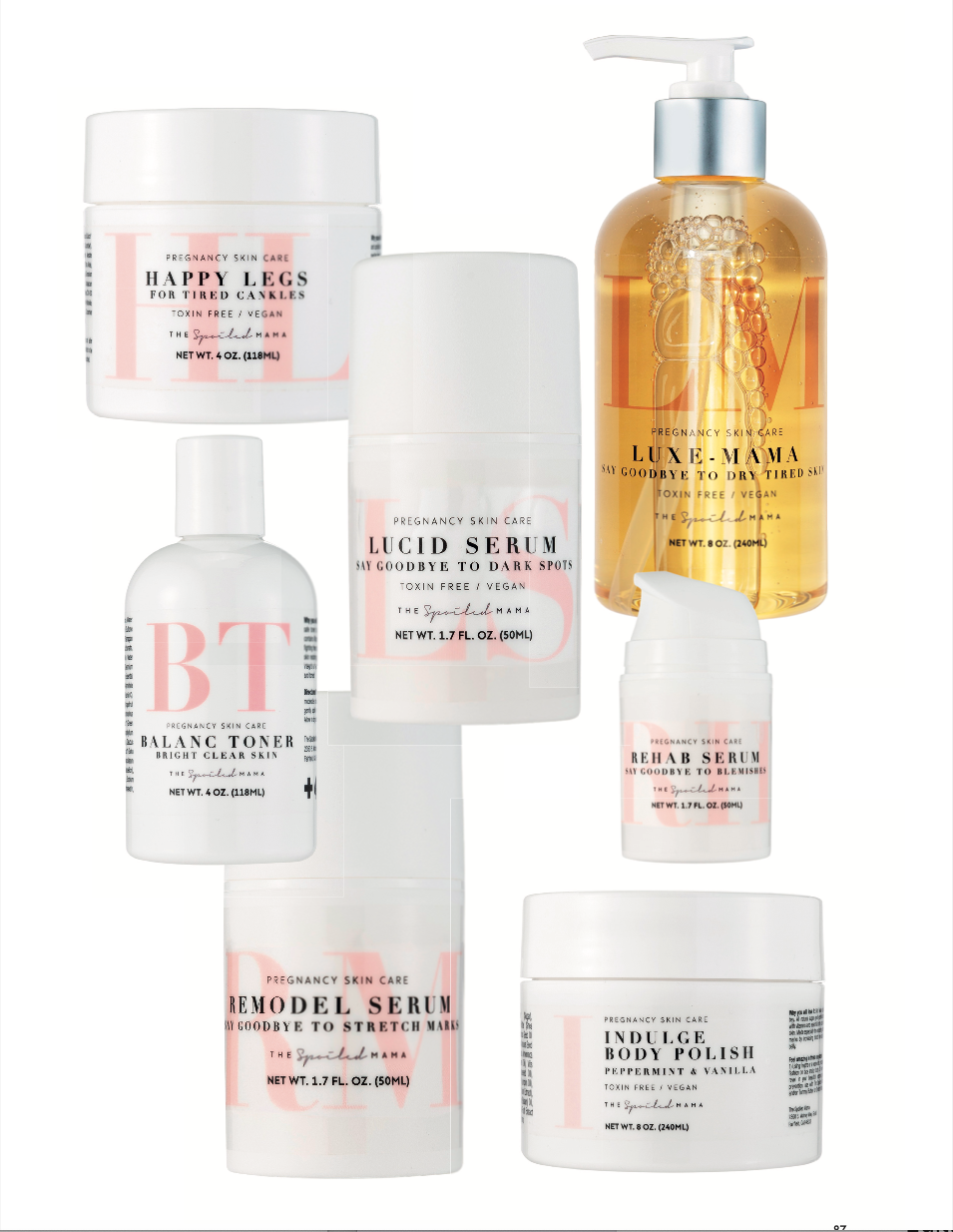
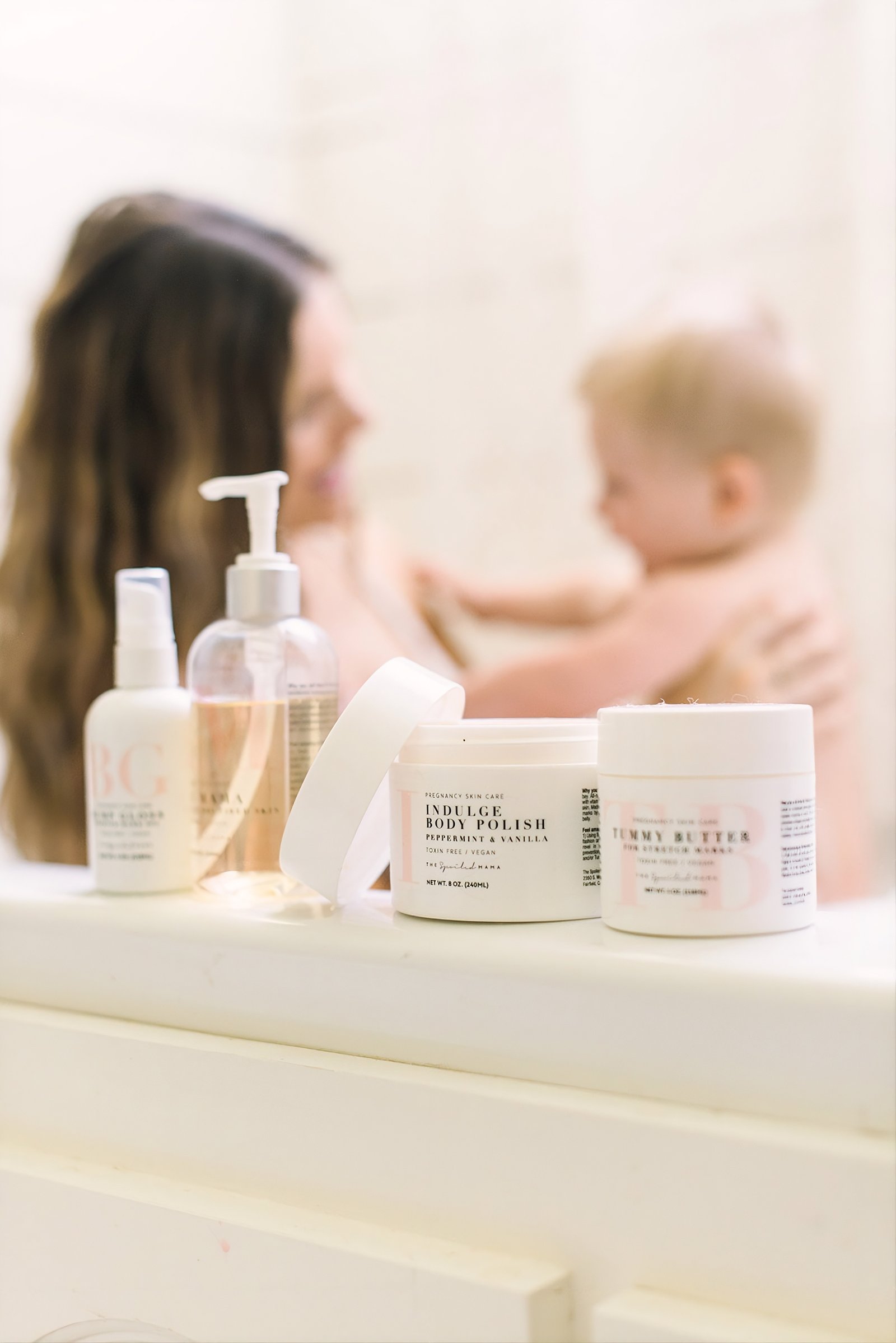
The very first product was our Bump Gloss Stretch Mark Oil. That’s what I started making in my kitchen when I was pregnant, before The Spoiled Mama even had a name. When I realized I needed to share it with other women, I had to come up with a brand. That’s where our name comes from; we are literally The Sp-OIL-ed Mama. The original logo had OIL in all caps because the oil was meant to be our hero product and the heart of our story.
Tummy Butter came later, and it’s now our bestseller. What’s beautiful is that our two original hero products, Bump Gloss and Tummy Butter, found their way back together. We combined them into our Stretch Mark Prevention Kit, and that bundle has become our most requested product. It really is the full circle of where this brand started.
If you hadn’t been a nurse, do you think this company would exist or would you have trusted the market as it was?
I don’t think it would exist in the same form, but not just because of the clinical knowledge. The relationships I built through my career in healthcare were just as valuable. Those connections deepened my understanding of what women need during pregnancy and postpartum, and they gave me credibility when I was just starting out.
I’d also say that my background in fitness and clean eating played a significant role. I’ve always read food labels, and that habit translated directly into reading ingredient labels on skincare. That practice is really what opened my eyes. Once you start reading labels and educating yourself, you can’t unsee what you’re seeing. It wasn’t just nursing that made me question the market; it was knowing how to read a label and realizing that better options simply didn’t exist yet. All of it together, the clinical training, the relationships, the label-reading habit, that combination is what turned a personal frustration into a business.
What helped your brand grow the most in the beginning? Was there a moment when you realized, “This is really working”?
Community, without question. In the early days, we did a lot of local fairs and events throughout the Bay Area, getting in front of moms face-to-face, having real conversations, letting them experience the products firsthand. There were no big campaigns, no major ad budgets. Just genuine connection. The moment it clicked was when customers started coming back and bringing their friends with them. And then the emails and texts started coming in, moms reaching out to say thank you, telling us they’ve used The Spoiled Mama through multiple pregnancies. Those messages never get old. That’s when you know you’ve built something beyond a transaction; you’ve become a trusted part of someone’s journey into motherhood.
What’s most important to you when choosing ingredients?
Function first, always. Every ingredient needs a clear purpose. I’m not interested in filler or following trends. It has to perform, and it has to meet the safety standards I would trust for myself and my own family.
How do you balance luxury and safety in your product line?
They’re not opposites; that’s the misconception I’ve spent years working to correct. You absolutely can create products that feel elevated and luxurious while still meeting rigorous safety standards. It simply requires more intentionality in formulation and sourcing. We don’t cut corners there, and we never will.
What was the least glamorous phase of building this company that no one talks about?
The early fulfillment days. Packing orders myself, handling returns, and personally responding to every customer email. It’s not a pretty picture, but it’s where you truly learn your business from the inside out. I’m grateful for that season, even when it was exhausting.
Did you ever feel pressure to compromise your ingredient standards to scale faster?
Yes. And the answer was always no. It might slow things down in the short term, but compromising on trust is not something a brand recovers from easily, if at all.
How did motherhood affect your risk tolerance as an entrepreneur?
It made me far more intentional. I’m still willing to take risks, but they have to be thoughtful and calculated. The moment you’re no longer making decisions just for yourself, the entire framework shifts.
Did building a brand around “moms” ever feel like it was boxing you in creatively or commercially?
Not really. If anything, it created clarity, and clarity is actually freeing. When you know exactly who you’re serving and why, decisions become much easier to make. There’s a tremendous amount of creative space within a focused mission. And if anything, that focus is expanding rather than shrinking. We’re actively looking at moving into the baby space, which feels like a very natural next chapter. The Mama brought us here, and now we get to show up for her baby, too.
What identity was harder to hold onto: nurse, mother, or CEO?
CEO, without question. The other two feel more innate. CEO is something you actively grow into over time; it requires a different kind of confidence, and it doesn’t happen overnight.
What was your first real growth lever: product, storytelling, or community and why did that work?
Community. Product matters deeply, but people talk to people. When moms trust something, they share it, genuinely and enthusiastically. That kind of organic growth is nearly impossible to replicate through advertising alone.
If you had to restart today with no audience, what would you do in the first 30 days?
Talk to as many customers as possible. Direct, honest conversations, gathering feedback and truly understanding what they need right now. Then build from there. There are no shortcuts worth taking when it comes to establishing real trust.
Do you think the future is more about hyper-specialized products or simplifying routines?
Simplifying. Mamas are overwhelmed; that’s not a trend, it’s a reality. They don’t need ten steps; they need the right steps. That’s always been our philosophy, and I think the market is finally catching up to it.
Beyond products, what belief are you trying to change about how society treats mothers?
So many, honestly. Where do I start? There’s still a real stigma around breastfeeding, which is remarkable when you think about it. We have normalized so much in our culture, yet a mother feeding her child can still make people uncomfortable. That has to change.
Then there’s the way pregnancy itself is categorized. Technically and legally, pregnancy is classified as a medical condition, and while I understand the clinical reasoning, that framing carries a weight that I think does women a disservice. It affects how brands like ours can even market to expecting moms. Platforms like Google restrict our ability to advertise certain products simply because pregnancy falls under that classification. We’re trying to reach women with safe, supportive products, and we’re being limited in how we can do that. It’s frustrating, and it’s something the industry needs to catch up on.
But more than anything, I want to change the narrative around what pregnancy actually is. It is not a condition to be managed. It is one of the most extraordinary things a human body can do. We grow life. We sustain it. We feed it with our own bodies. That is not a limitation; that is power. Pregnancy is beautiful, and mothers deserve to be treated with that same reverence: in the products available to them, in the support systems around them, and in the way society speaks about their experience.
What does “spoiling a mama” actually mean to you now, versus when you started?
When I started, it was about giving yourself permission to care for your body during pregnancy. Now it means something broader. It’s about providing moms with products and routines that genuinely support them, without compromise, without fear, and without having to choose between safety and something that actually works. Not indulgence for the sake of it. Real care that makes a meaningful difference.