


139
JOY
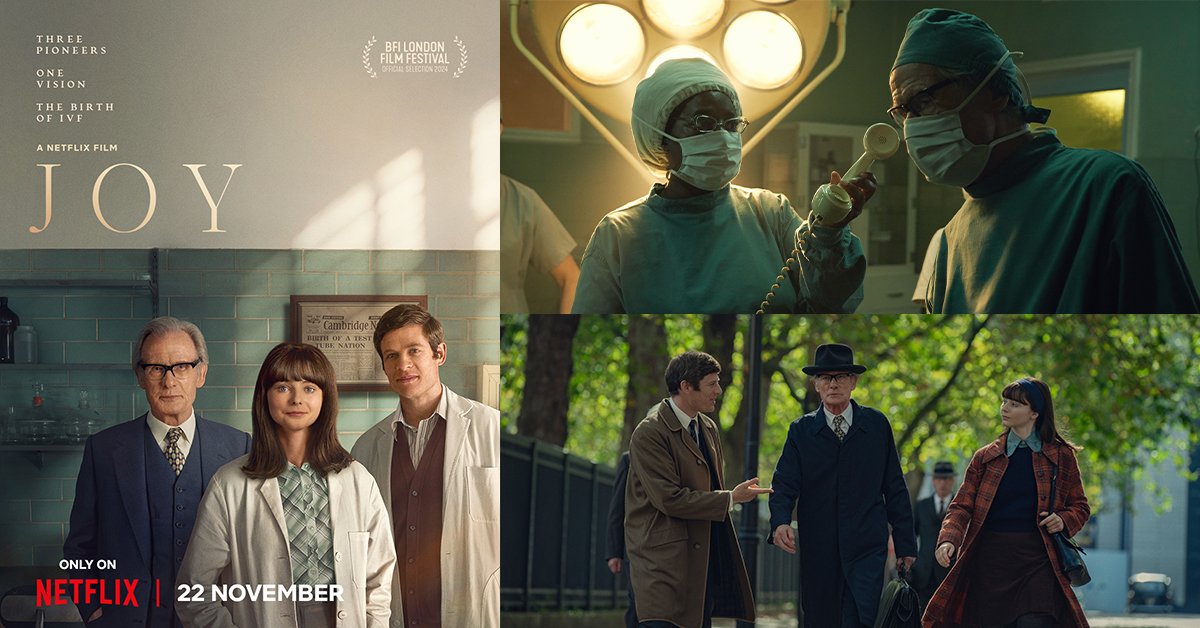
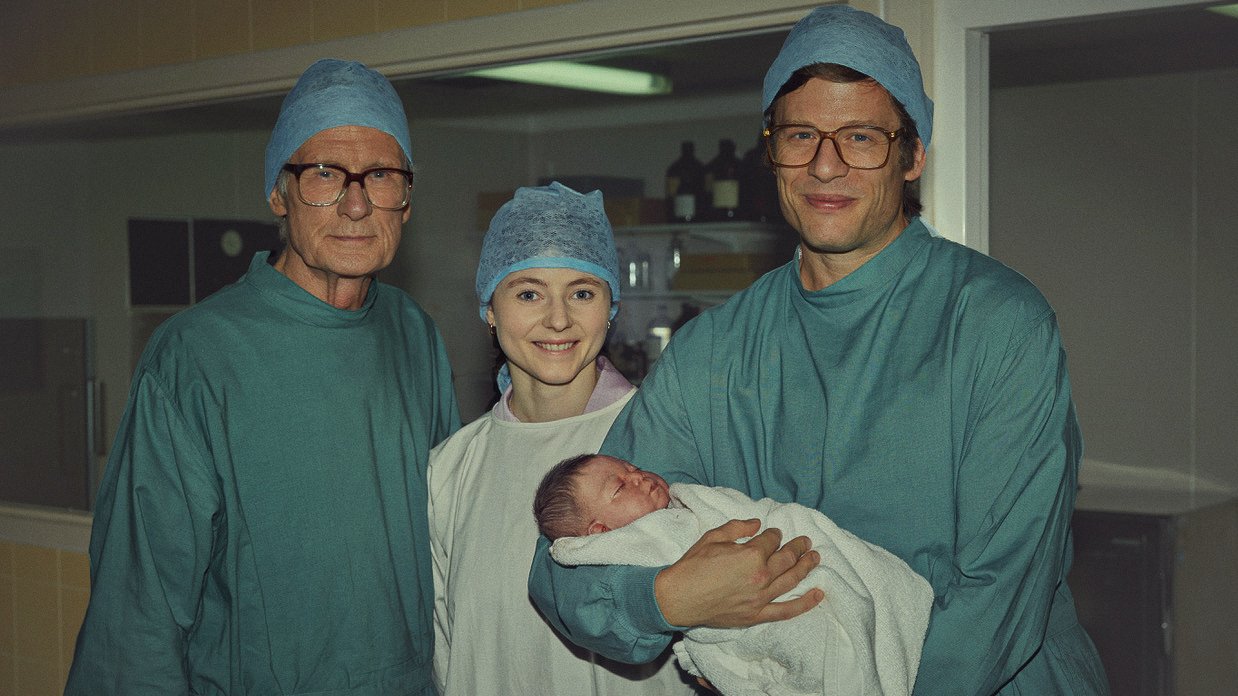
The film Joy (2024), a British biographical drama, offers viewers a story situated at the intersection of human desire, scientific progress, and emotional resilience. The plot is inspired by the story of Louise Brown, the world’s first child born via in vitro fertilization (IVF), whose birth forever changed not only medicine but also humanity’s perception of parenthood (see the exclusive interview with Louise Brown on the preceding pages of this issue). The film centers on three pioneers — nurse and embryologist Jean Purdy, scientist Robert Edwards, and surgeon Patrick Steptoe — who spent years striving to create a method to help childless individuals conceive. Their journey was far from easy, fraught with societal resistance, criticism from the church, financial struggles, and countless failed experiments. Ultimately, however, they achieved a monumental scientific breakthrough: the creation of IVF technology.
 The film’s screenwriters pay special attention to the inner worlds of the characters. Their work goes beyond merely recounting facts; they weave an emotional thread that deeply connects the audience to the protagonists. The dialogue is refined and natural, and the plot’s gradual development allows viewers to fully grasp the weight and significance of the story. One of the script’s greatest strengths lies in its balance, seamlessly intertwining the overarching theme of scientific progress with deeply personal, intimate narratives.
A standout aspect of Joy is its thematic depth. The film raises profound questions: How far should science go? At what cost is progress achieved? And, most importantly, what does hope mean when everything seems impossible? The answers to these questions are never straightforward, making the film all the more compelling and memorable.
The film’s screenwriters pay special attention to the inner worlds of the characters. Their work goes beyond merely recounting facts; they weave an emotional thread that deeply connects the audience to the protagonists. The dialogue is refined and natural, and the plot’s gradual development allows viewers to fully grasp the weight and significance of the story. One of the script’s greatest strengths lies in its balance, seamlessly intertwining the overarching theme of scientific progress with deeply personal, intimate narratives.
A standout aspect of Joy is its thematic depth. The film raises profound questions: How far should science go? At what cost is progress achieved? And, most importantly, what does hope mean when everything seems impossible? The answers to these questions are never straightforward, making the film all the more compelling and memorable.
 Behind the film is the husband-and-wife screenwriting duo Jack Thorne and Rachel Mason, who collaborated to bring this story to the screen. In the director’s chair is Ben Taylor, whose approach is defined by intimacy and a strong focus on character. He refrains from over-dramatizing the plot; instead, he seeks emotion in silence and subtle details. Taylor pays meticulous attention to crafting an atmosphere that accurately resurrects the medical world of the 1970s.
 Filming primarily took place in England, including historically significant locations connected to the first in vitro fertilization experiments. Recreating the real-world environments as faithfully as possible was a priority for both the director and the writers, adding remarkable authenticity and depth to the film. The movie features an outstanding cast of British cinema. Starring Thomasin McKenzie (Jean Purdy), James Norton (Robert Edwards), and Bill Nighy (Patrick Steptoe), the actors beautifully convey the human and professional tensions that lie at the very heart of this story.
The Netflix platform played a crucial role in the film’s success. Today, as streaming services actively dictate the evolutionary trends of film and television, Netflix’s involvement is vital for movies exploring such themes. For Netflix, films like Joy are particularly valuable because they tackle universal subjects. Infertility, scientific progress, ethical dilemmas, and human endurance — these are issues that resonate with a global audience. The platform, with its multi-million subscriber base, ensures that these stories reach almost every corner of the world.
It is also worth noting that Netflix’s backing often guarantees the preservation of creative freedom. In the case of Joy, this was especially important, as the narrative touches upon sensitive and sometimes controversial topics. The platform empowered the creators to tackle difficult themes head-on, allowing them to portray both the triumphs and the formidable obstacles encountered along the way with the utmost sincerity.
Filming primarily took place in England, including historically significant locations connected to the first in vitro fertilization experiments. Recreating the real-world environments as faithfully as possible was a priority for both the director and the writers, adding remarkable authenticity and depth to the film. The movie features an outstanding cast of British cinema. Starring Thomasin McKenzie (Jean Purdy), James Norton (Robert Edwards), and Bill Nighy (Patrick Steptoe), the actors beautifully convey the human and professional tensions that lie at the very heart of this story.
The Netflix platform played a crucial role in the film’s success. Today, as streaming services actively dictate the evolutionary trends of film and television, Netflix’s involvement is vital for movies exploring such themes. For Netflix, films like Joy are particularly valuable because they tackle universal subjects. Infertility, scientific progress, ethical dilemmas, and human endurance — these are issues that resonate with a global audience. The platform, with its multi-million subscriber base, ensures that these stories reach almost every corner of the world.
It is also worth noting that Netflix’s backing often guarantees the preservation of creative freedom. In the case of Joy, this was especially important, as the narrative touches upon sensitive and sometimes controversial topics. The platform empowered the creators to tackle difficult themes head-on, allowing them to portray both the triumphs and the formidable obstacles encountered along the way with the utmost sincerity.
The film’s screenwriters pay special attention to the inner worlds of the characters. Their work goes beyond merely recounting facts; they weave an emotional thread that deeply connects the audience to the protagonists. The dialogue is refined and natural, and the plot’s gradual development allows viewers to fully grasp the weight and significance of the story. One of the script’s greatest strengths lies in its balance, seamlessly intertwining the overarching theme of scientific progress with deeply personal, intimate narratives.
A standout aspect of Joy is its thematic depth. The film raises profound questions: How far should science go? At what cost is progress achieved? And, most importantly, what does hope mean when everything seems impossible? The answers to these questions are never straightforward, making the film all the more compelling and memorable.
Behind the film is the husband-and-wife screenwriting duo Jack Thorne and Rachel Mason, who collaborated to bring this story to the screen. In the director’s chair is Ben Taylor, whose approach is defined by intimacy and a strong focus on character. He refrains from over-dramatizing the plot; instead, he seeks emotion in silence and subtle details. Taylor pays meticulous attention to crafting an atmosphere that accurately resurrects the medical world of the 1970s.
Filming primarily took place in England, including historically significant locations connected to the first in vitro fertilization experiments. Recreating the real-world environments as faithfully as possible was a priority for both the director and the writers, adding remarkable authenticity and depth to the film. The movie features an outstanding cast of British cinema. Starring Thomasin McKenzie (Jean Purdy), James Norton (Robert Edwards), and Bill Nighy (Patrick Steptoe), the actors beautifully convey the human and professional tensions that lie at the very heart of this story.
The Netflix platform played a crucial role in the film’s success. Today, as streaming services actively dictate the evolutionary trends of film and television, Netflix’s involvement is vital for movies exploring such themes. For Netflix, films like Joy are particularly valuable because they tackle universal subjects. Infertility, scientific progress, ethical dilemmas, and human endurance — these are issues that resonate with a global audience. The platform, with its multi-million subscriber base, ensures that these stories reach almost every corner of the world.
It is also worth noting that Netflix’s backing often guarantees the preservation of creative freedom. In the case of Joy, this was especially important, as the narrative touches upon sensitive and sometimes controversial topics. The platform empowered the creators to tackle difficult themes head-on, allowing them to portray both the triumphs and the formidable obstacles encountered along the way with the utmost sincerity.